
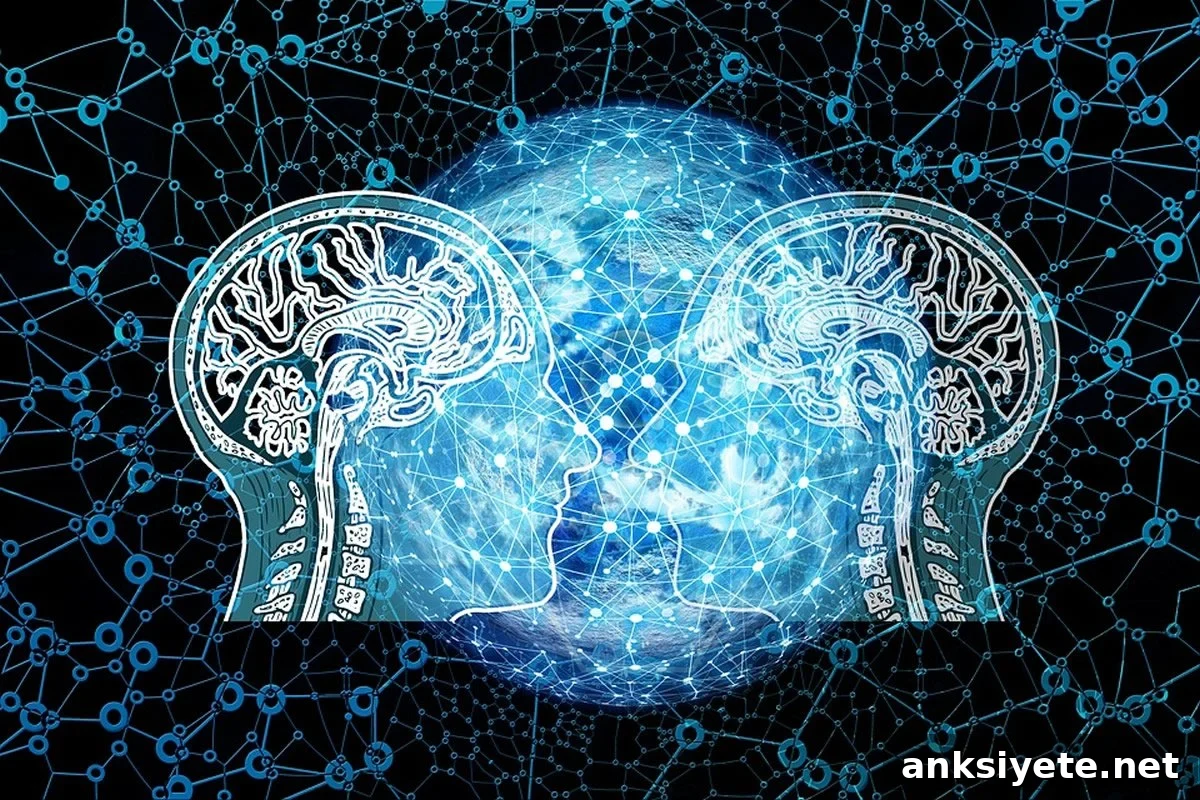
Summary: Open sharing of experimental data, standardized protocols, and clear methods will enable researchers to collaborate more effectively and accelerate progress in understanding and treating neurodegenerative diseases.
Source: The Conversation
Ever since I first watched Jurassic Park as a child, I’ve been captivated by the biology of cells and DNA and the imaginative possibility of bringing extinct creatures back to life. While cloning dinosaurs remains firmly in the realm of fiction, my career in research has revealed the many powerful and realistic possibilities that cellular biology offers for human health.
Today, in my laboratory at the Montréal Neurological Institute and Hospital, we grow stem cells in culture to develop new therapies for Parkinson’s disease and to better understand the biological processes that drive neurodegeneration.
Parkinson’s disease is a progressive, age-related movement disorder characterized by tremor, stiffness and a gradual loss of dopaminergic neurons. Although L-DOPA remains the most effective symptomatic treatment and has been used since the 1960s, no truly disease-modifying therapy has been established to slow or stop the underlying neurodegenerative process.
This lack of progress stems in part from the biological complexity of Parkinson’s disease, but also from how research is shared. Too often detailed protocols, raw data and even negative results remain inaccessible or poorly documented. That prevents other labs from reproducing findings, learning from mistakes, or building efficiently on prior work.
To help change that, I will publish my lab’s standardized methods and protocols over the coming year and make them available to anyone who wants to use them.
A cure for Parkinson’s disease
It might seem counterintuitive to give away hard-earned techniques. Science is competitive, and a major breakthrough can bring prestige, funding, high-impact publications, patents and career opportunities. Yet in neuroscience, breakthroughs rarely arise from solitary efforts. Brain disorders are too complex for isolated laboratories to solve alone. Meaningful advances typically emerge from broad collaborations where teams share methods, data and resources.
Openly sharing reliable methods and datasets allows other researchers to validate findings, extend them, and combine multiple lines of evidence in ways a single group could not achieve. When researchers place data into the public domain and into accessible databases, those data can be integrated, reanalyzed and compared across laboratories to reveal reproducible patterns that point toward therapeutic targets.
We are growing 3D mini-brains
My group works with human induced pluripotent stem cells (hiPSCs). These cells can be reprogrammed from an individual’s skin, blood or urine and then coaxed to become virtually any cell type in the human body given the right culture conditions. Using hiPSCs, we generate human neurons in vitro to model the specific neuronal subtypes that are affected in Parkinson’s disease, amyotrophic lateral sclerosis and various neurodevelopmental disorders.
Beyond traditional two-dimensional cultures, we also produce three-dimensional neuronal organoids—so-called mini-brains—by the thousands. These organoids capture aspects of human brain architecture and cell-to-cell interactions that 2D systems cannot, giving us richer models to study disease mechanisms and to test potential therapeutic strategies.
At the same time, genome editing tools such as CRISPR enable precise modification of genetic variants associated with disease, allowing us to probe causal relationships between genes, cellular phenotypes and neuronal dysfunction. Together, hiPSC technology, 3D organoids and CRISPR create a powerful toolkit, but realizing their full potential depends on open collaboration between academic groups, biotech startups and pharmaceutical partners focused on translating findings into treatments.
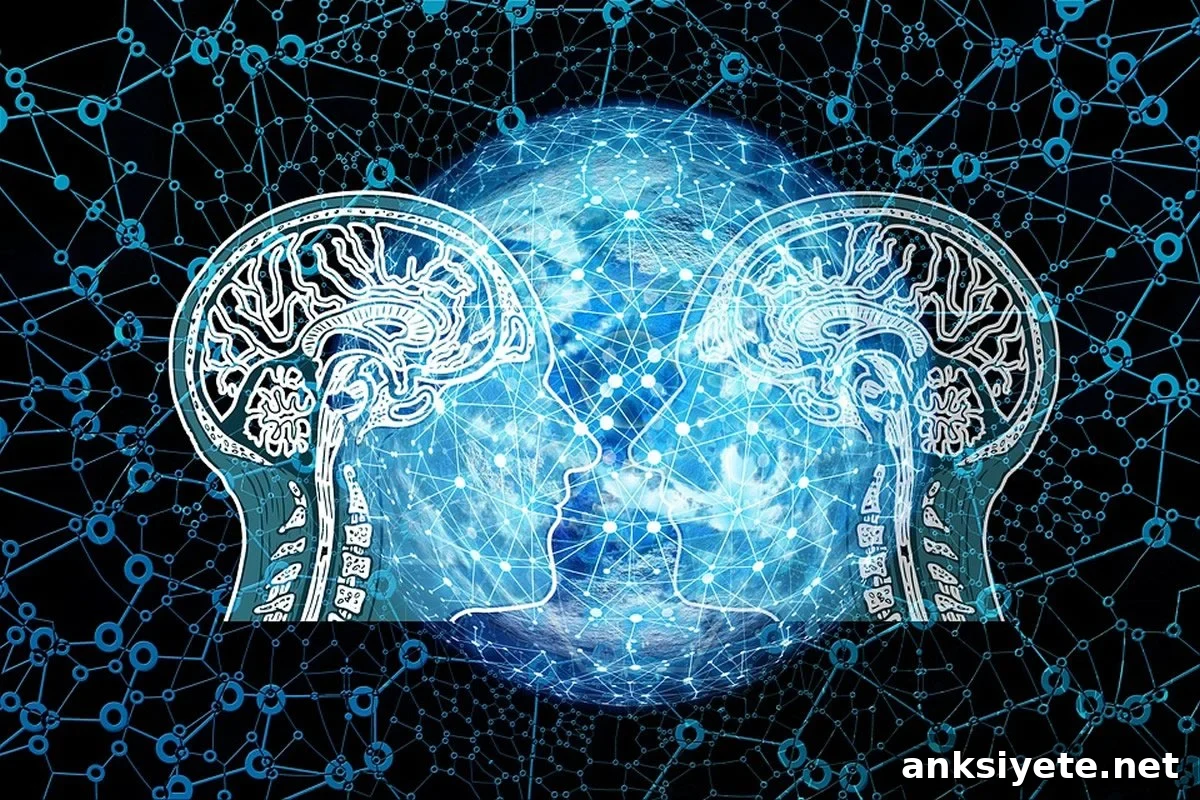
Researchers, funders and policymakers spend enormous sums on biomedical research every year. A significant portion of that investment is duplicated because methods and negative results are not shared or are hard to discover. Making robust protocols and primary data openly available reduces redundancy, speeds progress, and improves reproducibility across the field.
I hope others will pay it forward
Over the next year, I will publish my lab’s detailed protocols and experimental methods on an open lab notebook platform where many scientists already share their work publicly. We will also make our experimental results available in line with our institution’s Open Science policy so that investigators everywhere can access, evaluate and build upon our findings.
My aim is to foster a genuinely collaborative scientific community: one in which researchers freely exchange methods, data and negative outcomes so the entire field moves forward faster and more reliably. Open sharing benefits individual scientists by expanding the pool of usable data, and it serves patients by accelerating the search for therapies that meaningfully alter disease progression.
Please use our methods and learn from our experience. If our openness helps others progress more quickly, they should, in turn, share their methods and results so the cycle of collaboration continues. And for the lighter side of scientific aspirations: if anyone ever figures out how to recreate a dinosaur, I’d be honored if they remembered the Tommosaurus Rex.
Funding: Thomas Durcan receives support from McGill Healthy Brains for Healthy Lives and Parkinson’s Canada.
Source:
The Conversation
Media Contacts:
Thomas Durcan – The Conversation
Image Source:
The image is in the public domain.