
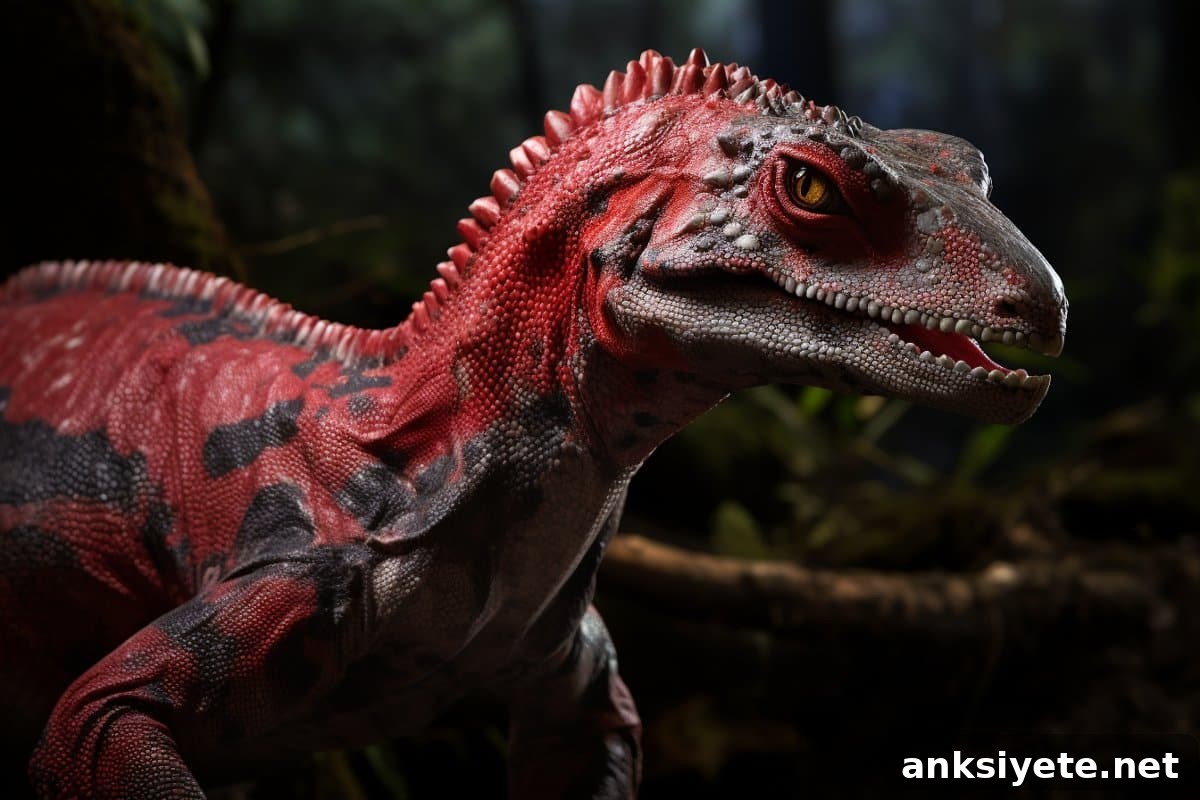
Summary: New CT scans of the Thescelosaurus neglectus specimen known as “Willo” reveal sensory adaptations that suggest this small herbivore may have spent part of its life underground. These findings challenge the dinosaur’s previously dull reputation and offer fresh insight into dinosaur ecology and behavior.
High-resolution CT imaging shows Willo had a restricted hearing range but an exceptionally developed sense of smell and strong vestibular (balance) organs—features commonly associated with modern burrowing animals.
The combination of a powerful olfactory system and enhanced balance, along with robust limbs and other skeletal traits, point to possible digging or subterranean activity in this late Cretaceous dinosaur. These results refine our understanding of how diverse dinosaur lifestyles could be.
Key Facts:
- CT reconstructions of Willo’s braincase reveal sensory specializations that differ from most other dinosaurs, suggesting a partial underground lifestyle.
- Thescelosaurus neglectus showed limited hearing but unusually large olfactory bulbs and sensitive balance organs—traits shared with living burrowing species.
- The peer-reviewed study published in Scientific Reports highlights new ecological interpretations for ornithischian dinosaurs and will support upcoming interactive exhibits at the North Carolina Museum of Natural Sciences.
Source: North Carolina State University
Overview: A CT scan and three-dimensional digital reconstruction of the skull of Willo, a Thescelosaurus neglectus on display at the North Carolina Museum of Natural Sciences, have revealed a distinct sensory profile. While the brain size places Willo within the lower end of cognitive capacity among neornithischians—more comparable to living reptiles—its sensory anatomy suggests ecological specializations not previously recognized in this group.
Willo measured roughly 12 feet (3.6 meters) long and weighed about 750 pounds (340 kilograms). This species lived in North America near the end of the Cretaceous, around 66 million years ago. The name Thescelosaurus neglectus translates roughly as “wonderful, overlooked lizard,” and the new analysis shows Willo was indeed more interesting than its name implies.
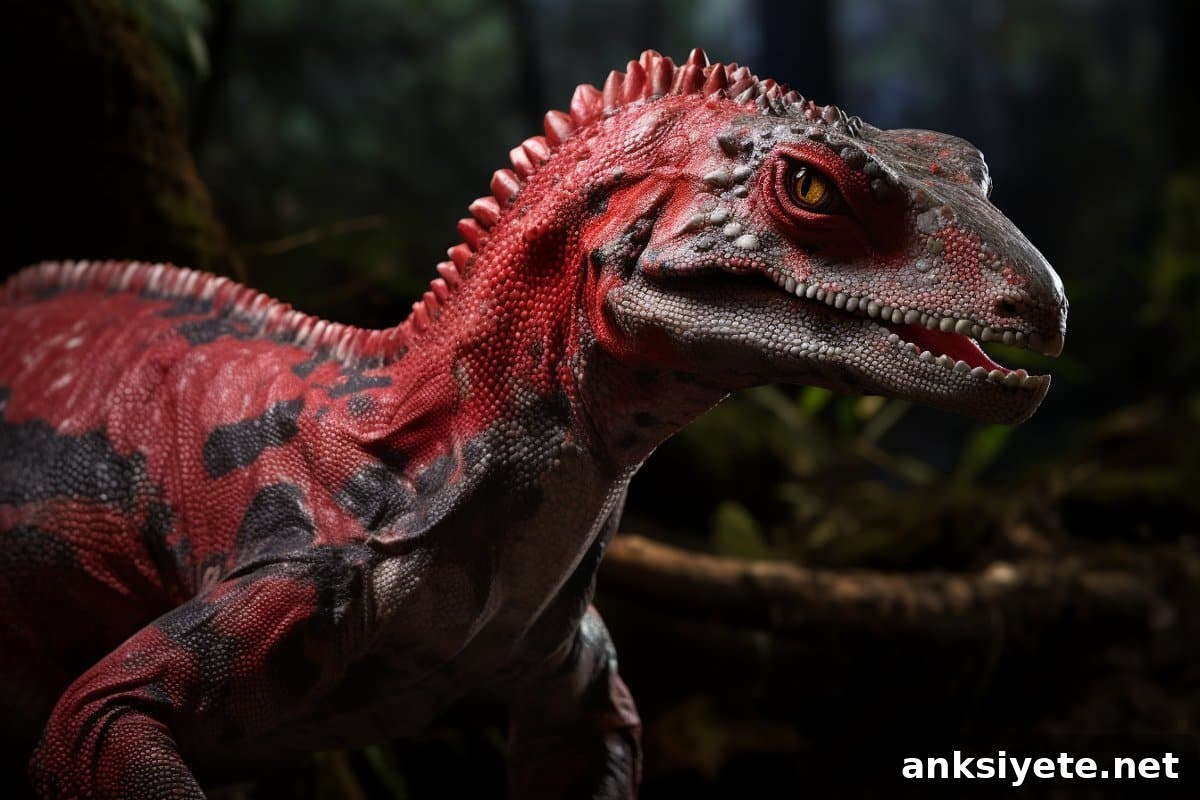
David Button, who led the CT-based reconstruction while a Brimley Postdoctoral Scholar at the North Carolina Museum of Natural Sciences and North Carolina State University, used the scans to model soft tissues such as the brain, inner ear, and olfactory regions that are not preserved directly in fossils. By comparing these structures to those of other dinosaurs and living reptiles and birds, the team inferred sensory strengths and limitations.
The study shows Willo had a reduced auditory range: it detected mostly low-frequency sounds and lacked sensitivity to high frequencies. Quantitatively, its hearing likely covered roughly 15% of the frequency range humans detect and only a small fraction of the high-frequency range accessible to dogs and cats. This low-frequency emphasis overlaps with the hearing profile inferred for Tyrannosaurus rex, suggesting a shared sensitivity to low, long-range cues rather than high-pitched signals.
In contrast, Willo’s olfactory bulbs were exceptionally large—relatively larger than those reported for other dinosaurs examined so far and comparable to highly scent-tuned modern reptiles. Such well-developed olfactory structures indicate acute smell sensitivity that could have helped Willo locate buried plant foods, such as roots and tubers, or detect predators and conspecific cues in low-visibility environments.
The CT reconstructions also revealed prominent anterior semicircular canals in the inner ear, structures that contribute to vestibular function and spatial orientation. An enhanced vestibular apparatus would support precise three-dimensional balance and body positioning—an advantage for animals that dig, enter narrow burrows, or maneuver in confined subterranean spaces.
Taken together, Willo’s sensory fingerprint—poor high-frequency hearing, powerful olfaction, and heightened balance sensitivity—along with postcranial features such as muscular forelimbs, matches a suite of traits common among burrowing or digging animals living today. While the researchers stop short of declaring Willo an obligate burrower, they emphasize that the combination of neurological and skeletal characteristics is consistent with partial fossorial behavior or habitual digging.
The authors note that some earlier-diverging thescelosaurids show trace and skeletal evidence for digging behaviors, so these traits may reflect either ecological adaptation or inherited characteristics from burrowing ancestors. Regardless, this work provides the first neurological evidence supporting burrowing specializations in ornithischian dinosaurs, expanding the recognized ecological roles within this major dinosaur clade.
Lindsay Zanno, co-author and head of paleontology at the North Carolina Museum of Natural Sciences, remarks that the discovery overturns the notion of Thescelosaurus as a “boring” dinosaur. The team plans to make Willo’s 3D skull and modeled sensory capabilities available to museum visitors through an interactive exhibit in the new Dueling Dinosaurs experience, helping the public explore these sensory reconstructions firsthand.
About this neuroscience research news
Author: Tracey Peake
Source: North Carolina State University
Contact: Tracey Peake – North Carolina State University
Image: The image is credited to Neuroscience News
Original Research: Open access. “Neuroanatomy of the late Cretaceous Thescelosaurus neglectus (Neornithischia: Thescelosauridae) reveals novel ecological specialisations within Dinosauria,” by Lindsay Zanno et al., published in Scientific Reports.
Abstract (summary):
This study presents a 3D digital reconstruction of the endocranial spaces of the late Cretaceous neornithischian Thescelosaurus neglectus to interpret its neuroanatomy and paleobiology. The brain was relatively small compared to many other neornithischians, suggesting cognitive capabilities more akin to extant reptiles. The species displayed a narrow hearing range with limited sensitivity to high frequencies, paired with unusually large olfactory lobes and developed anterior semicircular canals, indicating acute smell and vestibular sensitivity. The combination of these neurological traits, together with features of the postcranial skeleton, aligns with specializations for burrowing behaviors seen in earlier thescelosaurids. While it remains uncertain whether these traits reflect ecological adaptation or phylogenetic inheritance in T. neglectus, the findings represent the first neurological evidence for burrowing specializations within Ornithischia and among non-avian dinosaurs, broadening our view of dinosaur ecological diversity.