
Summary: Researchers have experimentally documented abnormal fetal brain development after a pregnant primate contracted the Zika virus, providing an important model for testing prenatal therapies.
Source: UW Medicine
Findings could lead to new ways to test prenatal therapies to protect babies
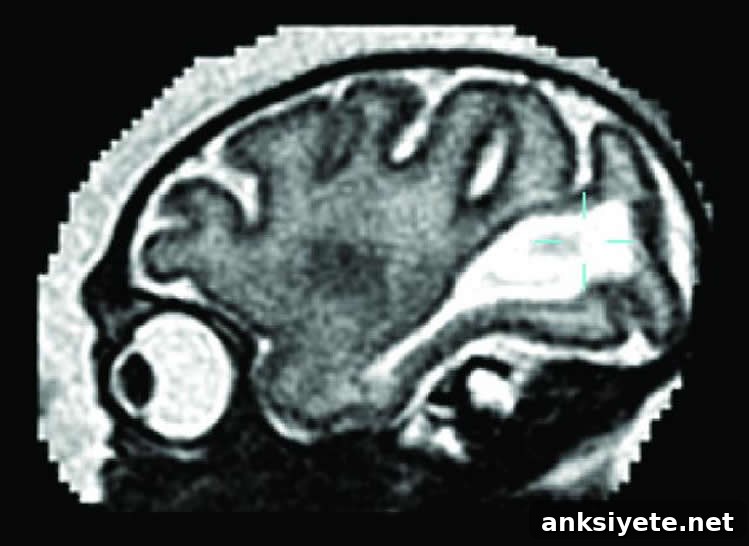
For the first time, scientists have experimentally demonstrated abnormal fetal brain development following Zika virus infection in a non-human primate. The research, conducted in a pregnant pigtail macaque, shows how Zika virus can halt critical stages of brain formation and offers a model for evaluating vaccines and treatments intended to protect the unborn child.
The findings were published online Sept. 12 in Nature Medicine.
“Our results remove any lingering doubt that the Zika virus is dangerous to the developing fetus and provide details about how this injury to the brain develops,” said Dr. Kristina Adams Waldorf, the study’s lead author, UW Medicine physician and University of Washington professor of obstetrics and gynecology who specializes in maternal and fetal infections.
“This study brings us closer to determining whether a Zika vaccine or therapy can prevent fetal brain injury and be safe to use during pregnancy,” she added.
Dr. Michael Gale Jr., a senior author and UW professor of immunology who directs the UW Medicine Center for Innate Immunity and Immune Disease, noted that the work shows Zika virus can cross the placenta late in pregnancy and directly affect fetal brain development. He said the study met Koch’s postulates for establishing a causative link between a microorganism and disease.
Dr. Lakshmi Rajagopal, UW associate professor of pediatrics, who studies pregnancy and newborn infectious diseases, said the team was surprised by the speed and extent of damage. “We were shocked when we saw the first MRI of the fetal brain 10 days after viral inoculation. We had not expected such a large area of the brain to be damaged so quickly,” Rajagopal said. She emphasized that by the time a pregnant woman develops symptoms, the fetal brain may already be affected, suggesting the importance of prevention through vaccination or prompt prophylactic treatment.
Why a primate model matters for Zika research
Primates, including humans, share many features of brain development and gestation. Similarities include placental structure, timing of neuronal development, and the proportion of gray and white matter in the brain. Previously, no experimental animal model closely reproduced the effects of Zika infection during human pregnancy. Mouse models have shown fetal demise but have not allowed researchers to fully explore causal links between Zika infection and specific fetal brain injuries.
The Zika virus is a mosquito-borne flavivirus transmitted by species such as Aedes aegypti. While many Zika infections are mild or asymptomatic in adults—causing fever, rash, muscle aches, or conjunctivitis—the risk during pregnancy is severe because the virus can disrupt or destroy fetal brain development.
What the study did and observed
The researchers infected a pregnant pigtail macaque during the equivalent of the human third trimester, using a viral dose approximating what a person might receive from an infected mosquito bite. The pregnant animal showed no major symptoms like fever or rash, yet fetal imaging revealed rapid and significant brain abnormalities.
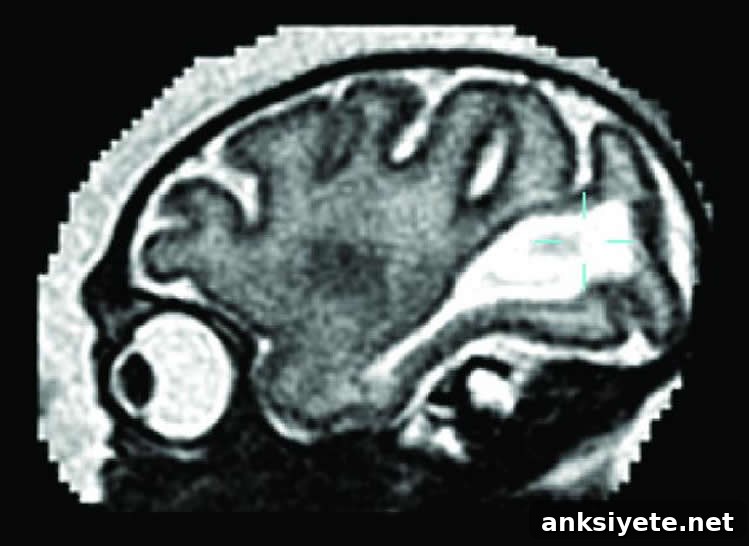
Within 10 days after inoculation, periventricular lesions appeared and then evolved asymmetrically in the occipital–parietal lobes. About three weeks after infection, white matter growth—the brain tissue responsible for connecting different regions—had ceased. If this trajectory had continued for another month, microcephaly (an abnormally small brain) would very likely have developed.
Fetal autopsy confirmed Zika virus presence in the brain and showed marked cerebral white matter hypoplasia, periventricular white matter gliosis, and axonal and ependymal injury. The researchers also detected viral genetic material in other fetal tissues including the eye, liver, and kidney, and noted potential impacts on the optic nerve that could impair vision.
Implications for prevention and treatment
The study indicates that Zika virus can cross the placenta and replicate in fetal tissues to levels higher than in the mother, disrupting the normal balance of brain development by promoting excess supportive structure at the expense of nerve cell formation. These changes alter brain shape, size, and function. The researchers used a 2010 Cambodian strain of Zika virus closely related to the strain circulating in Brazil at the time of the outbreak.
These results underscore the urgency of developing preventive strategies—vaccines or immediate prophylactic therapies—that can be administered before or at the time of exposure to prevent fetal brain injury. The primate model provides a crucial platform to test whether candidate vaccines or therapeutics are effective and safe during pregnancy.
Collaborative effort and support
The study assembled experts across obstetrics, virology, microbiology, immunology, pediatrics, pathology, radiology, neurology, bioengineering, bioinformatics, neurosurgery, and primatology. The research was supported by funds from the UW Department of Obstetrics and Gynecology, the Washington National Primate Research Center, and several National Institutes of Health grants.
Abstract
Fetal brain lesions after subcutaneous inoculation of Zika virus in a pregnant nonhuman primate
The study describes development of fetal brain lesions after Zika virus inoculation in a pregnant pigtail macaque. Periventricular lesions developed within 10 days and evolved asymmetrically in the occipital–parietal lobes. Fetal autopsy revealed Zika virus in the brain along with significant cerebral white matter hypoplasia, periventricular white matter gliosis, and axonal and ependymal injury. Observation of Zika-associated fetal brain lesions in a nonhuman primate provides a relevant model for therapeutic evaluation.
Published online September 12, 2016 in Nature Medicine. doi:10.1038/nm.4193