
Although memory problems become more common with age, many people retain strong memories throughout life, while others experience mild to severe memory decline at earlier ages.
Multiple factors increase the risk of dementia, and abnormal fat metabolism has emerged as one important contributor. Research indicates that individuals with high levels of abdominal fat during middle age are about 3.6 times more likely to develop memory loss and dementia later in life.
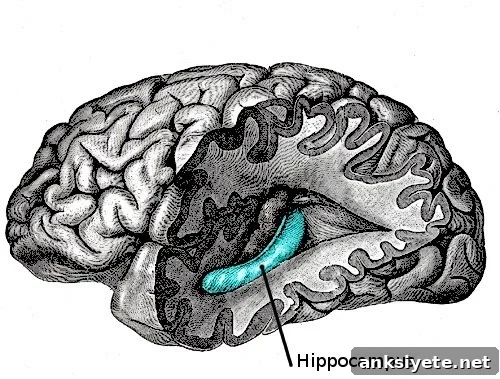
Scientists at Rush University Medical Center, collaborating with the National Institutes of Health, have identified a key connection between fat metabolism and memory. They discovered that the same protein known to regulate fat processing in the liver, peroxisome proliferator-activated receptor alpha (PPARα), is also present in the hippocampus—the brain’s memory center—and helps control learning and memory function.
These findings, funded by the Alzheimer’s Association and the National Institutes of Health, were recently published in Cell Reports.
“We need to better understand how fat is connected to memory and learning so that we can develop effective approaches to protect cognition,” said Kalipada Pahan, PhD, the Floyd A. Davis Professor of Neurology at Rush University Medical Center.
The liver is the body’s principal organ for fat metabolism, and PPARα is well known for its role there. Given its liver functions, researchers expected PPARα to be most prominent in hepatic tissue. The new study, however, revealed unexpectedly high levels of PPARα in the hippocampus of experimental animals.
Pahan and colleagues report that mice lacking PPARα show impairments in learning and memory. Importantly, delivering PPARα directly into the hippocampus of PPARα-deficient mice led to improved learning and memory performance, suggesting a direct, local role for this protein in cognitive processes.
The researchers propose a potential mechanism linking abdominal fat and cognitive decline. Because PPARα regulates lipid metabolism, individuals with excess abdominal fat often show altered PPARα levels and disrupted lipid handling in the liver. Over time, depletion of PPARα may extend beyond the liver to other organs, including the brain. In this model, increased abdominal fat during midlife could be an early indicator of processes that later contribute to dementia.
Using bone marrow chimera techniques, the team produced mice with PPARα present in the liver but depleted in the brain; these animals demonstrated poor memory and learning. Conversely, mice with normal PPARα expression in the brain despite reduced hepatic PPARα preserved normal memory function. These results support the idea that hippocampal PPARα is critical for maintaining cognitive abilities.
At the molecular level, the study links PPARα to CREB (cyclic AMP response element-binding protein), a well-established master regulator of memory. The data indicate that PPARα directly stimulates CREB activity, which in turn boosts the expression of proteins required for synaptic plasticity and long-term memory.
Pahan emphasized the translational implications: “Further research is needed to determine whether preserving or restoring normal PPARα function in the brain could protect against age-related or obesity-associated memory decline.” This line of inquiry could inform strategies aimed at preventing or slowing cognitive decline by targeting lipid-regulating pathways in the brain.
Notes about this neurodegeneration and neurology research
Other Rush investigators who contributed to this study include Avik Roy, PhD (Research Assistant Professor); Malabendu Jana, PhD (Assistant Professor); Grant Corbett (Neuroscience Graduate Student); Shilpa Ramaswamy (Instructor); and Jeffrey H. Kordower, PhD (Jean Schweppe Armour Professor of Neurological Sciences).
Contact: Deb Song – Rush University Medical Center
Source: Rush University Medical Center press release
Image Source: The brain image is credited to Gray’s Anatomy and is in the public domain.
Original Research: Full open access research: “Regulation of Cyclic AMP Response Element Binding and Hippocampal Plasticity-Related Genes by Peroxisome Proliferator-Activated Receptor α” by Avik Roy, Malabendu Jana, Grant T. Corbett, Shilpa Ramaswamy, Jeffrey H. Kordower, Frank J. Gonzalez, and Kalipada Pahan in Cell Reports. Published online August 29, 2013. doi:10.1016/j.celrep.2013.07.028