
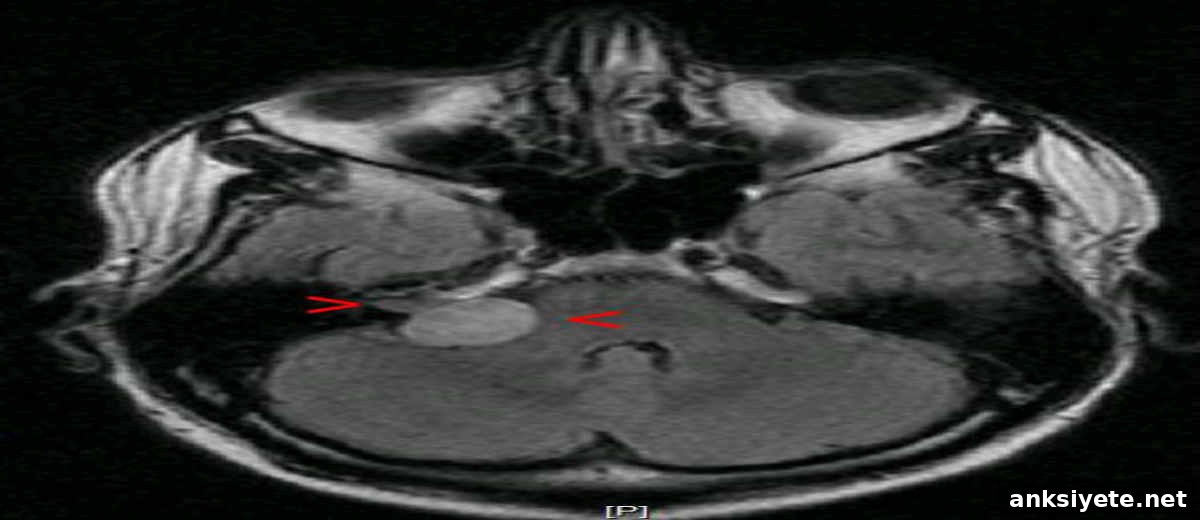
Findings published in the February issue of Otology & Neurotology
Researchers at Massachusetts Eye and Ear, Harvard Medical School, the Massachusetts Institute of Technology, and Massachusetts General Hospital report a significant association between regular aspirin use and reduced growth of vestibular schwannomas (also called acoustic neuromas). These benign but potentially dangerous intracranial tumors can cause hearing loss, tinnitus, and, in some cases, life-threatening complications. The new analysis suggests that aspirin — a well-tolerated anti-inflammatory medication — may have a role in slowing or stopping tumor enlargement.
The investigators were prompted by laboratory findings from the Molecular Neurotology Laboratory at Mass Eye and Ear, which examined human tumor specimens and suggested a biological mechanism through which aspirin could influence tumor behavior. To explore this observation in patients, the team conducted a retrospective review of medical records from 689 individuals diagnosed with vestibular schwannoma at Mass. Eye and Ear. Of those, 347 patients (50.3 percent) had serial magnetic resonance imaging (MRI) studies allowing assessment of tumor growth over time.
Researchers evaluated patient-reported aspirin use alongside tumor growth measured by changes in the largest tumor dimension on consecutive MRI scans. After adjusting for potential confounders such as age and sex, they identified a statistically significant inverse association between aspirin use and tumor growth. Specifically, aspirin users were found to have approximately half the odds of tumor enlargement compared with nonusers (odds ratio: 0.50; 95% confidence interval: 0.29–0.85), indicating a potentially meaningful protective effect.
“Currently, there are no FDA-approved drug therapies to treat these tumors, which are the most common tumors of the cerebellopontine angle and the fourth most common intracranial tumors,” said Konstantina Stankovic, M.D., Ph.D., the study’s lead author. Dr. Stankovic, an otologic surgeon and researcher at Mass. Eye and Ear and Assistant Professor of Otology and Laryngology at Harvard Medical School, emphasized that the main alternatives for growing vestibular schwannomas remain surgery (craniotomy) or radiation therapy, both of which can carry significant risks and complications. The retrospective findings support the need for prospective clinical trials to determine whether aspirin can safely and effectively prevent tumor progression.
The study’s retrospective design cannot prove causation, but the strength of the association and consistency with laboratory data provide a rationale for further clinical investigation. A prospective, controlled study would be needed to confirm a causal effect, establish optimal dosing and duration, and evaluate potential side effects in this patient population. Given aspirin’s long history of use and generally well-known safety profile, investigators note that a clinical trial assessing aspirin as a low-cost, widely available therapy could have meaningful implications for management options.
Research support and disclosures
This work received funding from the National Institute on Deafness and Other Communication Disorders (grants T32 DC00038 and K08DC010419) and support from the Bertarelli Foundation. A full list of authors and disclosures is available in the published paper in Otology & Neurotology.
Contact and source information
Contact: Mary Leach – Massachusetts Eye and Ear Infirmary
Source: Massachusetts Eye and Ear Infirmary press release.
Image source: The image is credited to MRT-Bild and is in the public domain.
Original research: The study is published in the February edition of Otology & Neurotology.
The findings highlight a promising research direction for managing vestibular schwannomas using a potential pharmacologic approach. They underscore the importance of translating laboratory discoveries into clinical studies that can define effective, evidence-based treatments and expand options beyond surgery and radiation for patients facing these tumors.
#neurology, #braincancer