
Summary: A stronger sense of purpose in life can reduce alcohol consumption and the likelihood of binge drinking among some social drinkers.
Source: University of Pennsylvania
Heavy alcohol use remains common among college students, placing young adults at increased risk for multiple health problems—from heart disease to certain cancers. On campus, students face frequent cues to drink, whether from social gatherings, celebratory toasts, or advertising. New research links how the brain responds to those cues with daily fluctuations in a student’s sense of purpose and subsequent drinking behavior.
Researchers at the University of Pennsylvania, Columbia University, and Dartmouth College used functional magnetic resonance imaging (fMRI) together with daily self-reports to investigate how neural responses to alcohol-related images, momentary alcohol craving, and a person’s sense of purpose in life interact to predict drinking. Their findings indicate that a stronger, day-to-day sense of purpose can buffer some students who are neurally sensitive to alcohol cues, lowering the chance they will drink heavily after craving.
The study appears in the journal Addiction under the title “Purpose in life, neural alcohol cue reactivity and daily alcohol use in social drinkers.” It helps clarify why craving sometimes leads to drinking and other times does not, and suggests a possible psychological target for reducing risky drinking among social drinkers.
Why purpose in life?
Lead author Yoona Kang, research director of the Communication Neuroscience Lab at the University of Pennsylvania’s Annenberg School for Communication, has examined how purpose in life relates to health and behavior. Prior work from Kang and colleagues has shown that feeling that life is guided by meaningful values and goals is tied to numerous benefits—such as reducing loneliness and making healthy choices feel easier.
“Values and life purpose can have powerful effects on how people think and act,” Kang explains. “A key feature of our approach was measuring purpose as a day-to-day experience: we asked participants, ‘How much sense of purpose in life do you feel right now?’ because that sense can vary from one day to the next.”
Craving alcohol
The study followed 54 healthy college students over a month. Participants completed daily surveys—reporting their current sense of purpose once per day and logging alcohol craving and consumption each morning and evening. Because craving is one of the strongest predictors of drinking, the researchers focused on how craving translates into actual alcohol use in daily life.
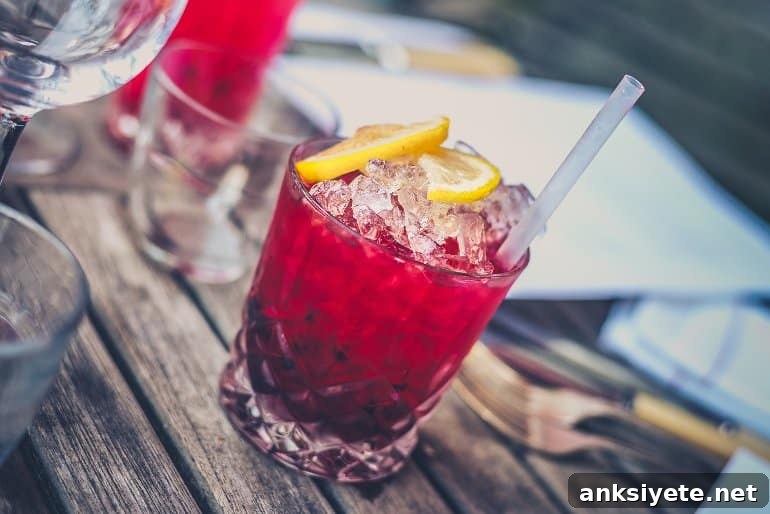
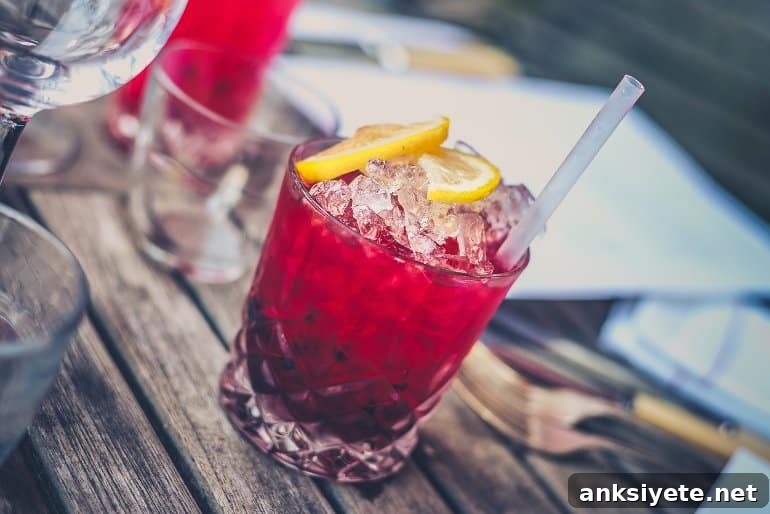
All participants also completed fMRI scans while viewing alcohol-related images, such as photos of beer, wine, spirits, and social drinking scenes. The investigators measured activity in the ventral striatum, a brain region linked to reward processing and craving. Individuals with greater ventral striatum activation when exposed to alcohol cues—described as higher neural alcohol cue reactivity—were more likely to drink in response to reported cravings.
However, when the researchers combined the imaging and daily survey data, a nuanced pattern emerged. For students with heightened neural sensitivity to alcohol cues, drinking in response to craving depended on their immediate sense of purpose. On days when these individuals reported a stronger-than-usual sense of purpose, they were less likely to drink heavily following a craving. Conversely, on days when they felt less purposeful, those same individuals were more likely to drink more after craving.
About this binge drinking and psychology research news
Author: Press Office
Source: University of Pennsylvania
Contact: Press Office – University of Pennsylvania
Image: The image is in the public domain
Original Research: Closed access. “Purpose in life, neural alcohol cue reactivity and daily alcohol use in social drinkers” by Yoona Kang et al., published in Addiction.
Abstract
Purpose in life, neural alcohol cue reactivity and daily alcohol use in social drinkers
Background and Aim
Alcohol craving often precedes drinking, but craving does not invariably lead to consumption. This study tested whether neural reactivity to alcohol cues (a potential risk factor) and daily fluctuations in perceived purpose in life (a potential protective factor) interact to influence whether craving results in increased alcohol use among social drinkers.
Design
The research used an observational design combining fMRI measures of neural cue reactivity with ecological momentary assessments (EMA) of daily purpose in life, craving, and alcohol use over 28 days.
Setting
Two college campuses in the United States.
Participants
Fifty-four college students (37 women, 16 men, 1 other) recruited from campus groups between January 2019 and October 2020.
Measurements
While undergoing fMRI, participants viewed alcohol-related images and researchers measured activity in the ventral striatum. Participants then completed 28 days of EMA reporting daily purpose in life, alcohol craving, and alcohol consumption.
Findings
A significant three-way interaction showed that greater ventral striatum reactivity to alcohol cues predicted heavier alcohol use following craving only when participants reported a lower-than-usual sense of purpose. Conversely, participants with elevated neural cue reactivity drank less after craving when they reported a stronger-than-usual sense of purpose in the prior moments (b_interaction = −0.086, P < 0.001, 95% CI = −0.137, −0.035).
Conclusions
Neural sensitivity to alcohol-related cues in the ventral striatum appears to increase the risk of drinking in response to craving among social drinkers, particularly on days when people feel less purposeful. Enhancing daily experiences of purpose in life may help reduce excessive alcohol use in social drinkers who are neurally reactive to alcohol cues.