
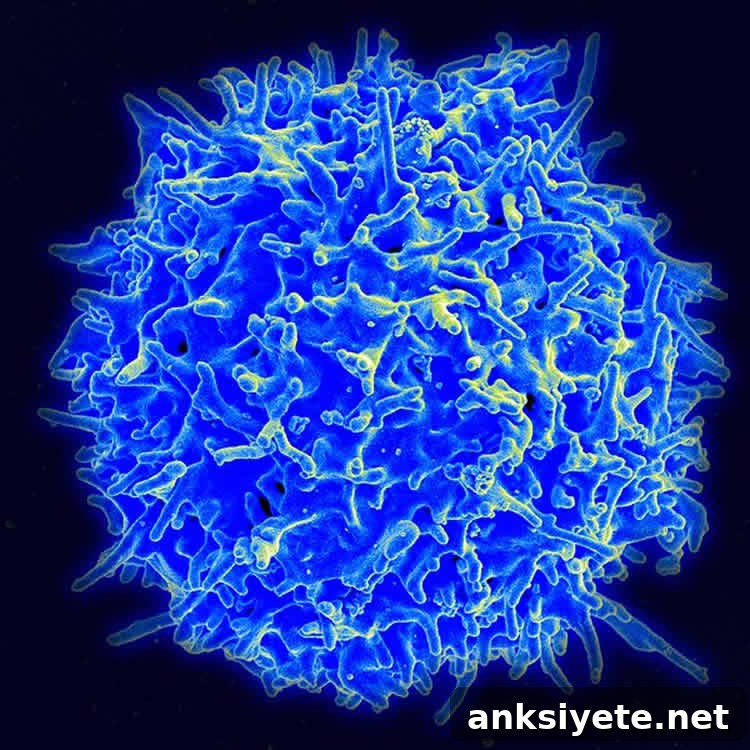
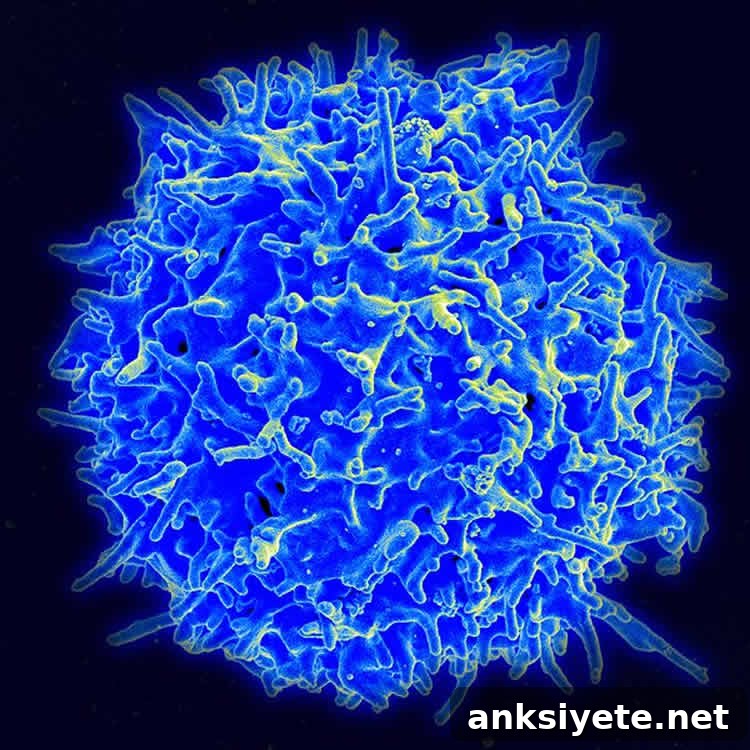
Summary: T cells may be misled into treating dopamine neurons as foreign because of accumulated, damaged alpha-synuclein, a new study reports.
Source: Columbia University.
First direct evidence that abnormal alpha-synuclein provokes an immune response in Parkinson’s disease
Researchers at Columbia University Medical Center and the La Jolla Institute for Allergy and Immunology report the first direct evidence that autoimmunity — where the immune system attacks the body’s own tissues — contributes to Parkinson’s disease. The study indicates that fragments of the protein alpha-synuclein, which accumulates abnormally in Parkinson’s, can activate T cells and trigger immune reactions that may target dopamine neurons.
The findings, published in the journal Nature, open the possibility that therapies which reduce or reprogram this immune response could help protect neurons and slow disease progression.
David Sulzer, PhD, professor of neurobiology at Columbia University Medical Center and co-leader of the study, explained that the idea of an immune contribution to Parkinson’s has existed for nearly a century but lacked direct molecular evidence. The new work shows that specific alpha-synuclein fragments act as antigenic signals that T cells can recognize, linking the protein pathology of Parkinson’s with adaptive immune activation.
Co-leader Alessandro Sette, Dr. Biol. Sci., of the La Jolla Institute for Allergy and Immunology emphasized the clinical implications: identifying immune responses to alpha-synuclein could lead to blood-based diagnostics to detect individuals at risk or in the early stages of Parkinson’s, and could inform new immunotherapy strategies to increase tolerance for the protein.
How the immune response was detected
The researchers tested blood samples from 67 Parkinson’s disease patients and 36 age-matched healthy controls. They exposed these samples to peptides derived from alpha-synuclein and other neuronal proteins, then measured T cell activity. Blood from healthy control subjects showed little immune activation to those peptides, while many samples from Parkinson’s patients showed strong T cell responses, indicating prior immune priming against alpha-synuclein in those individuals.
Importantly, the immune response correlated with a common variant of genes in the major histocompatibility complex (MHC), the gene region that presents antigenic peptides to T cells. This association offers a plausible explanation for previously reported genetic links between Parkinson’s disease and specific MHC alleles.
Why alpha-synuclein might trigger autoimmune recognition
Sulzer and colleagues theorize that normally, cells break down and recycle damaged proteins. With aging or in certain disease states, this clearance system becomes less efficient. As abnormal forms of alpha-synuclein accumulate inside dopamine neurons — often forming Lewy bodies — fragments of the protein may be released or presented on the cell surface in a way the immune system perceives as foreign. If the immune system has not encountered these abnormal fragments before, T cells may mount an attack that damages neurons.
Previous work from Sulzer’s laboratory showed that dopamine neurons express molecules that enable antigen presentation, making them susceptible to recognition by T cells. The current study builds on that foundation by identifying the specific alpha-synuclein peptides capable of provoking helper and cytotoxic T cell responses in patients.
Implications for diagnosis and treatment
These results suggest two potential clinical paths. First, measuring T cell responses to alpha-synuclein peptides could form the basis for a diagnostic test or a biomarker to detect Parkinson’s-related immune activity. Second, immunotherapy approaches that increase immune tolerance to alpha-synuclein or dampen pathogenic T cell responses may reduce neuronal loss and slow symptom progression.
The Sulzer and Sette labs are expanding their work to analyze immune responses in additional patient cohorts and to map the molecular steps that lead from alpha-synuclein accumulation to T cell activation using animal and cellular models. Continued research will be required to determine whether the immune response is an initiating factor in Parkinson’s disease or a contributor to neuronal damage after onset.
Funding: The study received support from the JPB Foundation, the William F. Richter Foundation, the Parkinson’s Foundation, the National Institute of Neurological Disorders and Stroke (P50 NS38377), the National Institute on Aging, and The Michael J. Fox Foundation for Parkinson’s Research.
Columbia University filed a patent application for the use of alpha-synuclein peptides as biomarkers (US Patent Application No. 15/300,713). David Sulzer (CUMC) and Alessandro Sette (La Jolla Institute) are listed as inventors. The authors report no other conflicts of interest.
Source: Lucky Tran — Columbia University.
Original research
Title: “T cells from patients with Parkinson’s disease recognize α-synuclein peptides.”
Summary of findings: The study demonstrates that defined peptides derived from α-synuclein, a protein that aggregates in Parkinson’s disease, are presented by specific major histocompatibility complex alleles and elicit helper and cytotoxic T cell responses in patients. These immune responses provide a mechanistic link between α-synuclein pathology and genetic associations at MHC loci.
Reference: Sulzer D., Alcalay R. N., Garretti F., et al. (2017), Nature. DOI: 10.1038/nature22815.
This article summarizes published research and does not provide medical advice. Further studies are underway to clarify whether targeting the immune response to alpha-synuclein can be translated into safe and effective treatments for Parkinson’s disease.