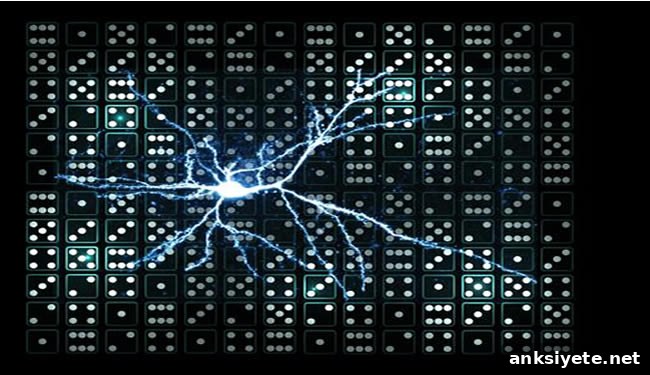
UCL neuroscientists demonstrate that single neurons and even single dendrites can distinguish different temporal input sequences
Researchers at University College London have shown that an individual neuron—and in some cases a single dendrite—can reliably tell apart different orders of incoming signals. This discovery, published in Science by scientists at the Wolfson Institute for Biomedical Research, changes how we think about the basic computational abilities of neural tissue and offers new insights for computational neuroscience, synaptic plasticity, electrophysiology and cognitive science.
Why sequence detection matters
Detecting the order of events is a fundamental capability of any system that interprets the world. In everyday life, the meaning of speech, the identity of a melody and the sequence of actions required to complete a task all depend on temporal order. The brain performs these tasks effortlessly and rapidly, far outperforming most current artificial systems at decoding rapidly presented sequences. Until now, many neuroscientists assumed that this kind of temporal discrimination required networks of many neurons working together. The new UCL data instead show that much of this capacity may be present at the level of single cells and their dendritic branches.
What the researchers did
Using mouse brain tissue, the team examined neurons in regions responsible for processing sensory input from the eyes and face. To probe how cells respond to the order of incoming signals, they delivered precisely timed activations to synaptic inputs on dendrites using laser stimulation and recorded the electrical responses of the neuron. This experimental approach allowed them to impose controlled temporal sequences of input and track how the cell’s output changed with the sequence order.
First author Tiago Branco explained that the experimenters tested a range of different input orders and patterns. Remarkably, each distinct temporal sequence often produced a distinct electrical response, even when the stimulation was restricted to a single dendrite. The authors combined these electrophysiological findings with theoretical modelling, which showed that the probability of distinguishing two different sequences is high under the conditions they examined.
Key findings and implications
The study’s central conclusion is straightforward but powerful: single neurons can act as sequence detectors. This means that individual neurons are not merely integrators of simultaneous inputs but can also encode and discriminate information that unfolds over time. The ability of single dendrites to contribute to this function suggests that the computational repertoire available to the brain is richer than typically assumed—dendrites can perform complex, temporally sensitive computations before signals even reach the cell body.
Senior author Professor Michael Häusser noted that this property equips neurons with a robust mechanism for sorting and interpreting the continuous, high-volume stream of inputs the brain receives. Because the experiments probed canonical sensory circuits, the authors suggest that sequence-detection at the single-cell level is likely to be a general feature across many brain areas and animal species, including humans.
Broader relevance
These findings are relevant across several fields. For computational neuroscientists, the work provides an explicit, experimentally supported mechanism that can be incorporated into models of neural computation. For researchers studying synaptic plasticity, the temporal selectivity of dendrites raises questions about how learning rules could operate on neuronal components that already carry time-sensitive information. For cognitive scientists, the results help bridge a gap between single-cell biophysics and high-level sequence processing, such as language and motor planning.
Importantly, the work does not claim that all temporal processing in the brain happens at the single-cell level—large networks and interactions across populations remain essential for many complex functions. Rather, this study shows that single neurons and dendritic compartments contribute significantly to time-dependent computation, expanding the known ‘‘toolkit’’ of neural information processing.
Funding for the study was provided by the Gatsby Charitable Foundation and the Wellcome Trust. The research was carried out at the Wolfson Institute for Biomedical Research, UCL.
Contact: Ruth Howells
Source: University College London