
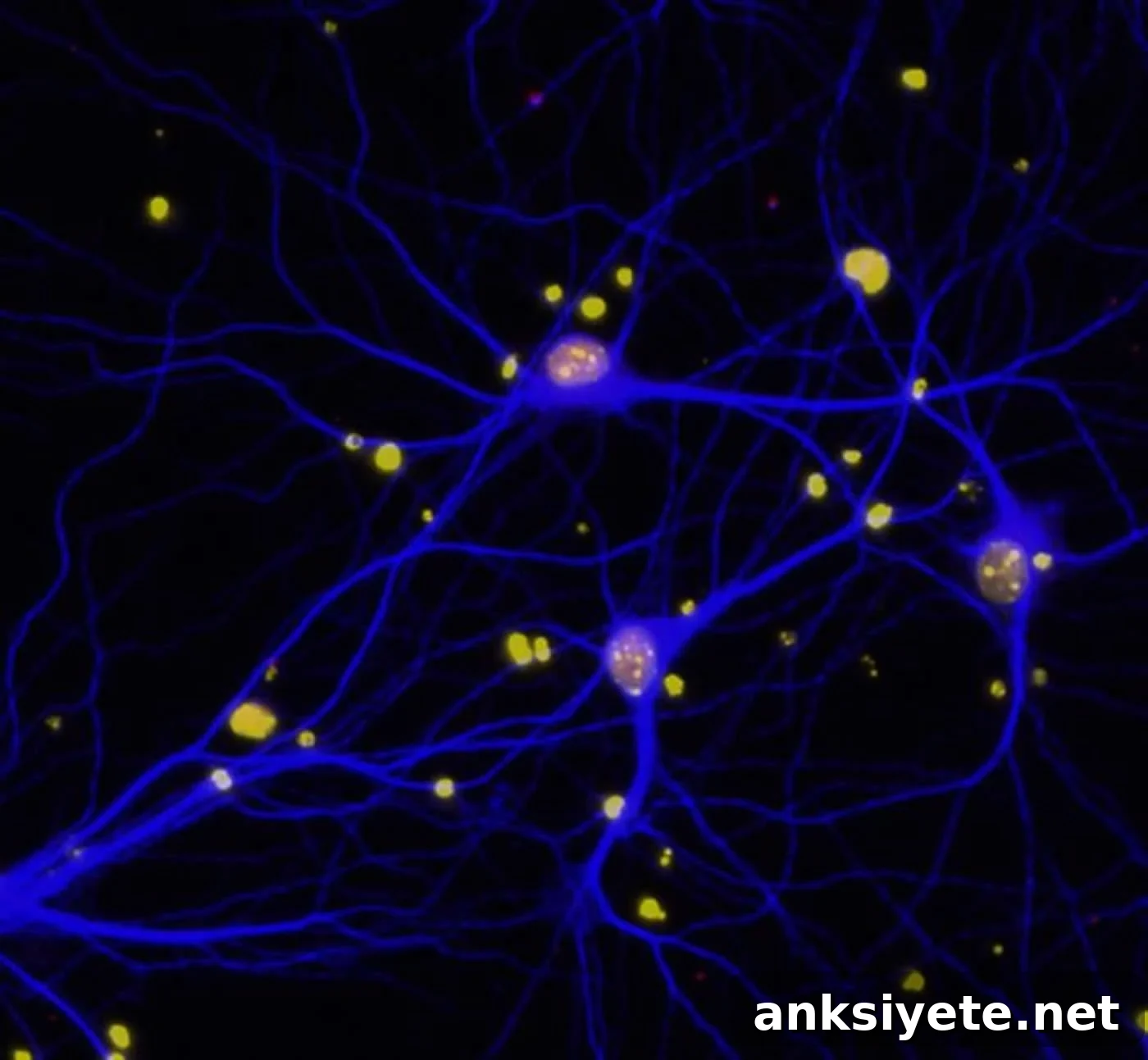
Loss of BRCA1, long known for its role in cancer, disrupts neuronal DNA repair and may contribute to cognitive decline in Alzheimer’s disease.
Researchers at the Gladstone Institutes report that the DNA repair protein BRCA1 is essential for normal learning and memory and is markedly reduced in the brains of people with Alzheimer’s disease. Their new study in Nature Communications reveals that depletion of BRCA1 in neurons leads to DNA damage, structural neuronal changes and cognitive impairment in mice, and that Alzheimer-related amyloid-beta can trigger this loss.
BRCA1 is widely studied for its role in repairing DNA double-strand breaks and for its association with breast and ovarian cancer when mutated. Until now, most research focused on dividing cells. The Gladstone team, led by senior author Lennart Mucke, MD, found that BRCA1 also has a critical role in post-mitotic neurons, which do not divide but nonetheless accumulate DNA breaks as part of normal activity and in disease.
“BRCA1 has been primarily examined in the context of dividing cells and cancer,” says Elsa Suberbielle, PhD, first author and a research scientist at Gladstone. “We were surprised to discover that BRCA1 is important in nondividing neurons and that its loss can undermine neuronal health and cognition.”
Neuronal activity can produce transient DNA double-strand breaks, and a balance between break formation and repair appears necessary for normal synaptic function, learning and memory. To test the consequences of impaired repair, the investigators reduced BRCA1 specifically in neurons of adult mice. Neuronal BRCA1 knockdown caused accumulation of DNA damage, shrinkage of affected neurons, and deficits in synaptic plasticity and behavior that reflect learning and memory impairments—without inducing widespread cell death.
Given the similarity between these deficits and those seen in Alzheimer’s disease, the team measured BRCA1 levels in post-mortem brain tissue from Alzheimer’s patients. Neuronal BRCA1 was reduced by roughly 65–75% compared with non-demented controls. To explore mechanisms, the researchers exposed cultured neurons to amyloid-beta oligomers—proteins that accumulate in Alzheimer’s disease—and observed marked reductions in BRCA1. Similarly, mouse models that accumulate amyloid-beta showed decreases in neuronal BRCA1. These findings suggest that pathological amyloid-beta contributes to BRCA1 depletion and consequent impairment of neuronal DNA repair in Alzheimer’s disease.
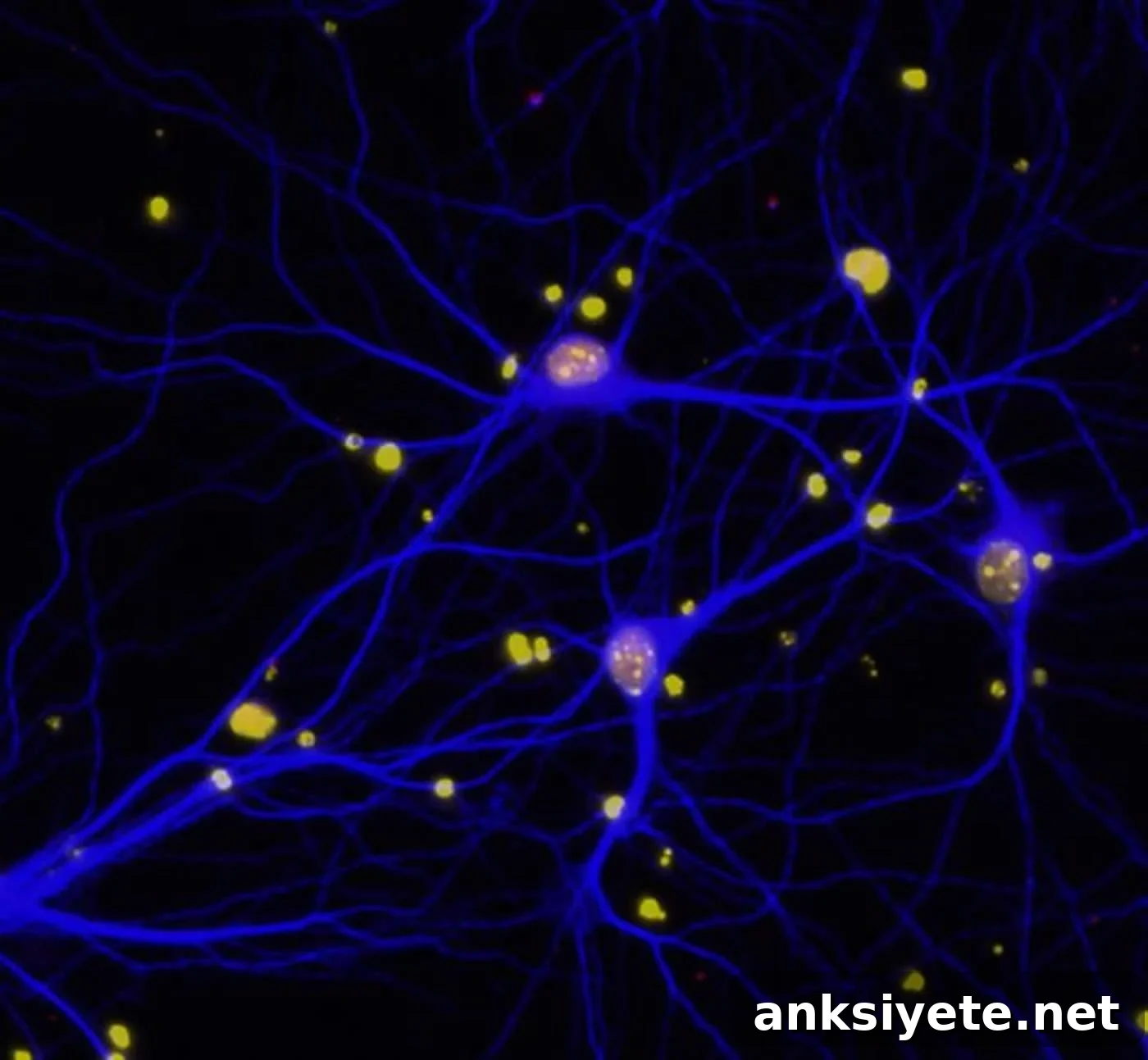
Mechanistic experiments indicated that physiological neuronal activation raises BRCA1 levels, while stimulation of extrasynaptic N-methyl-D-aspartate (NMDA) receptors promotes proteasomal degradation of BRCA1. The researchers propose that normal activity-dependent regulation of BRCA1 helps protect neuronal genomes, whereas amyloid-beta accumulation and maladaptive receptor signaling drive BRCA1 loss and genome instability.
“Therapeutic strategies that restore BRCA1 levels or function could protect neurons from excessive DNA damage and the downstream processes that lead to cognitive decline,” says Lennart Mucke. The team is now testing whether increasing BRCA1 expression in mouse models of amyloid-beta pathology can prevent or reverse neuronal damage and memory deficits.
Other Gladstone contributors to the study include Biljana Djukic, Mark Evans, Daniel Kim, Praveen Taneja, Xin Wang, Mariel Finucane, Joseph Knox, Kaitlyn Ho, and Nino Devidze. Eliezer Masliah from the University of California, San Diego also participated. Funding came from the National Institute on Aging, the National Institute of Neurological Disorders and Stroke, a MetLife Foundation Award, and a gift from the S.D. Bechtel, Jr. Foundation.
Source: Dana Smith – Gladstone Institutes
Image Credit: Elsa Suberbielle
Original Research: “DNA repair factor BRCA1 depletion occurs in Alzheimer brains and impairs cognitive function in mice” by Elsa Suberbielle, Biljana Djukic, Mark Evans, Daniel H. Kim, Praveen Taneja, Xin Wang, Mariel Finucane, Joseph Knox, Kaitlyn Ho, Nino Devidze, Eliezer Masliah and Lennart Mucke. Nature Communications. Published online November 30, 2015. doi:10.1038/ncomms9897
Abstract
DNA repair factor BRCA1 depletion occurs in Alzheimer brains and impairs cognitive function in mice
Maintaining DNA integrity is essential for cell function. Defective DNA repair may contribute to neurodegenerative disorders such as Alzheimer’s disease (AD). This study found reduced BRCA1 protein levels—distinct from other DNA repair factors—in the brains of AD patients and human amyloid precursor protein (hAPP) transgenic mice. Amyloid-beta oligomers lowered BRCA1 in primary neuronal cultures. In wild-type mice, targeted knockdown of BRCA1 in dentate gyrus neurons increased DNA double-strand breaks, caused neuronal shrinkage, impaired synaptic plasticity, and produced learning and memory deficits without triggering apoptosis. Low-level hAPP/amyloid-beta overexpression intensified these effects. Normal neuronal activation increased BRCA1, whereas stimulation of extrasynaptic NMDA receptors promoted BRCA1 degradation via the proteasome. These results indicate that BRCA1 is activity-regulated, protects the neuronal genome, and is critical for maintaining neuronal integrity and cognitive function. Pathological accumulation of amyloid-beta depletes neuronal BRCA1 and may therefore contribute to cognitive decline in Alzheimer’s disease.