
Summary: New research links intestinal inflammation and the gut microbiome to the development and progression of amyotrophic lateral sclerosis (ALS).
Source: University of Illinois
Researchers at the University of Illinois Chicago are investigating whether changes in the gastrointestinal tract can serve as early indicators of Lou Gehrig’s disease and whether modifying the gut microbiome can slow disease progression.
Jun Sun, professor of gastroenterology and hepatology at the University of Illinois College of Medicine, is the lead author of both a research paper and a review article that together highlight a possible role for intestinal inflammation and microbiome imbalance in the onset and progression of amyotrophic lateral sclerosis (ALS).
ALS is a progressive neuromuscular disorder that causes motor neuron degeneration, leading to muscle weakness and atrophy. Public awareness of ALS increased following the Ice Bucket Challenges in 2014, which also helped raise funding for research and inspired further study into potential links between gastrointestinal symptoms and ALS.
Sun’s interest in gastrointestinal (GI) connections to ALS was also influenced by reports from veterans who experienced GI issues during military service and later developed ALS. Prior studies have suggested that veterans face an elevated risk of ALS, but the reasons behind this association remain unclear.
Patients and families have reported GI symptoms that preceded ALS diagnosis. To examine this observation systematically, Sun and her colleagues reviewed published research dating back to 1967 in their review, “A Gut Feeling in Amyotrophic Lateral Sclerosis: Microbiome of Mice and Men,” published in Frontiers in Cellular and Infection Microbiology. The review collates evidence that many people with ALS report gastrointestinal symptoms, though studies documenting GI changes before ALS diagnosis are limited.
Because it is difficult to study pre-diagnostic GI changes in patients and to follow disease progression in humans, Sun’s team used an established animal model of ALS. Their research paper, “Aberrant enteric neuromuscular system and dysbiosis in amyotrophic lateral sclerosis,” published in Gut Microbes, examines the enteric nervous system (ENS) and gut microbiome in mice that carry a mutated superoxide dismutase 1 (SOD1) gene—a mutation linked to familial forms of ALS in humans.
“We study the microbiome because it reveals an invisible ecosystem that influences local intestinal function and can also affect distant organs,” Sun explained. The research investigated whether changes in the ENS and gut microbial communities occur prior to motor symptoms and whether manipulating the microbiome could modify disease progression.
In the study, ALS-model mice received treatments of sodium butyrate, a bacterial metabolite known to support beneficial gut bacteria and suppress pathogens, or antibiotics to perturb the microbiome. The researchers evaluated intestinal motility, composition of the gut microbiome, and protein markers of the enteric nervous system before the onset of overt ALS symptoms.
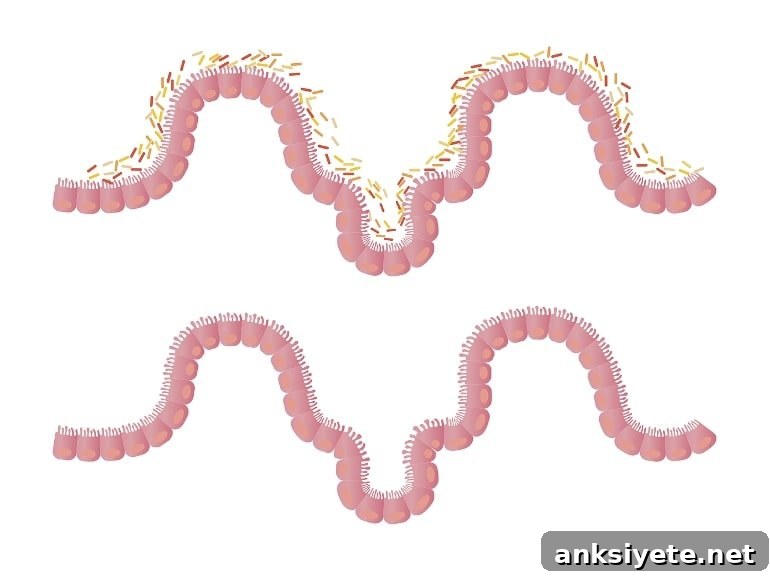
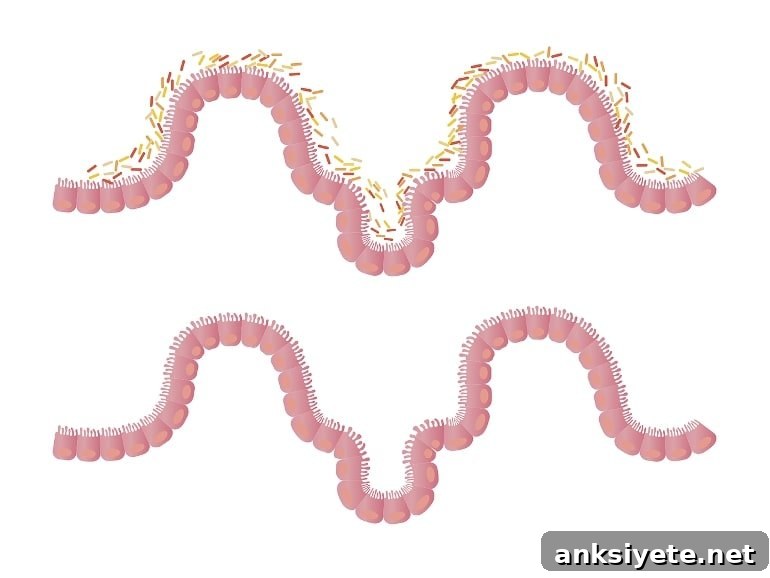
The team found clear alterations in the gut microbiome, reduced intestinal motility, and decreased physical stamina in ALS mice before muscle weakness was clinically evident. Mice treated with sodium butyrate experienced delayed onset of these declines. Treated animals also showed improved enteric neuromuscular function and shifts in bacterial populations associated with immune regulation, suggesting a mechanistic link between microbiome composition and intestinal motility.
Importantly, these intestinal and microbial changes appeared before motor neuron loss and muscle weakness, indicating that gut alterations may be part of early ALS pathology rather than only a consequence of later-stage disease.
Sun emphasized that manipulating the microbiome did not cure ALS in the animal model, but it did slow disease progression. In the study, sodium butyrate–treated mice lived on average 38 days longer than untreated counterparts. Translated roughly to human time scales—where one mouse year is often estimated to approximate 30 human years—this extension could represent meaningful additional lifespan and improved quality of life compared with existing treatments, though direct extrapolation to humans requires clinical validation.
These findings deepen understanding of the enteric nervous system and microbiome’s roles in ALS and support the idea that targeting intestinal function and microbial communities could become part of future therapeutic strategies. The research has generated interest in the ALS community, and clinical trials investigating the gut microbiome in people with ALS are underway.
About this ALS research news
Author: Press Office
Source: University of Illinois
Contact: Press Office – University of Illinois
Image: The image is in the public domain
Original Research: Open access. “A Gut Feeling in Amyotrophic Lateral Sclerosis: Microbiome of Mice and Men” by Sarah Martin et al., Frontiers in Cellular and Infection Microbiology
Abstract
A Gut Feeling in Amyotrophic Lateral Sclerosis: Microbiome of Mice and Men
Amyotrophic lateral sclerosis (ALS) is a devastating, progressive disease marked by degeneration of motor neurons. Its causes and mechanisms remain incompletely understood and likely involve complex interactions among host genetics, the gut microbiome, and environmental exposures. Emerging evidence points to intestinal dysfunction and microbial imbalance as contributors to ALS onset and progression, but studies connecting innate immunity and early intestinal changes to ALS pathogenesis are still limited.
Gastrointestinal symptoms reported by individuals before an ALS diagnosis are often overlooked in clinical practice. This review synthesizes human and animal research on GI symptoms, microbiome alterations, dietary factors, metabolites, and potential therapeutic approaches that target intestinal function and microbial communities. Identifying when and how microbial metabolites influence ALS progression will be essential to developing earlier diagnosis and more effective treatments—not only for ALS but potentially for other neurodegenerative disorders as well.