
Summary: A large long-term study found that people who followed diets richer in high-quality plant-based foods and lower in added sugars and refined grains had about a 10% lower risk of experiencing a stroke—particularly ischemic stroke—later in life.
Source: AAN
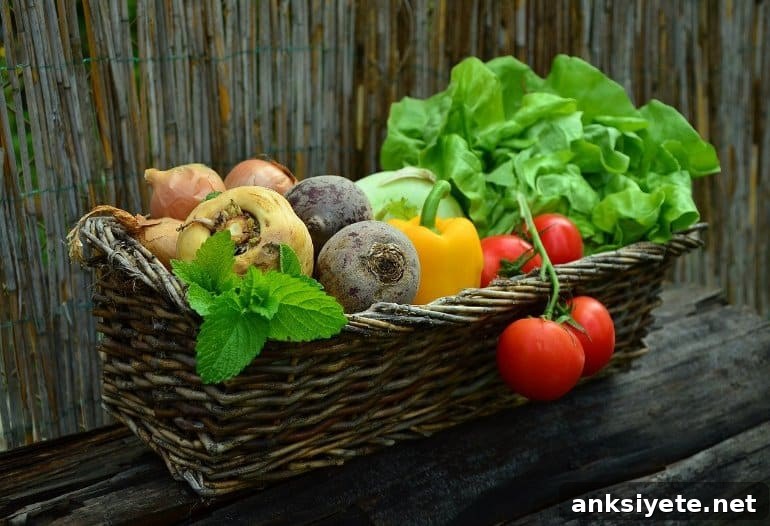
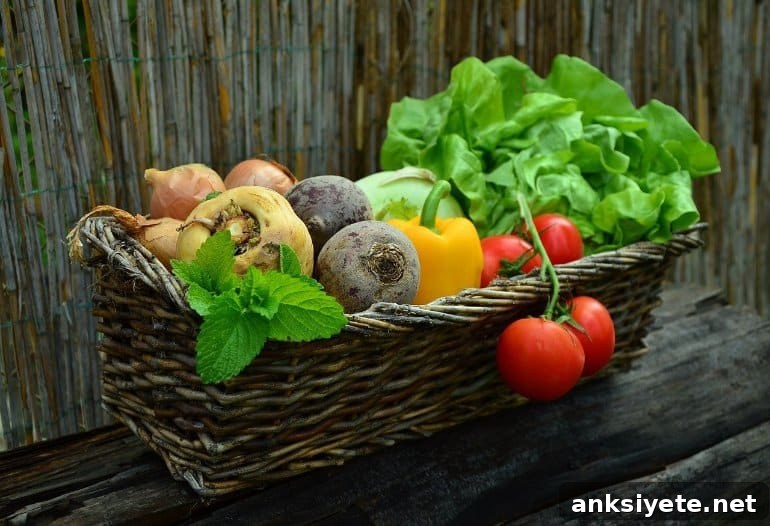
Eating a diet focused on high-quality plant foods—such as leafy greens, fruits, whole grains, beans and healthy vegetable oils—while reducing intake of refined grains, added sugars and other lower-quality plant foods may lower your risk of stroke by roughly 10%, according to research published March 10, 2021, in the journal Neurology. The study indicates that higher-quality plant-based eating patterns are associated with a reduced risk of ischemic stroke, the most common form of stroke.
Ischemic stroke occurs when an artery supplying blood to the brain becomes blocked, depriving brain tissue of oxygen. The study did not find a clear association between diet quality and hemorrhagic stroke, which involves bleeding in or around the brain due to a ruptured blood vessel.
“Many studies already show that diets rich in fruits and vegetables reduce the risk of diseases ranging from heart disease to diabetes,” said Megu Baden, M.D., Ph.D., of the Harvard T.H. Chan School of Public Health in Boston, the study’s lead author. “We aimed to determine whether the quality of plant-based foods people ate was linked to stroke risk.”
The research followed 209,508 adults who did not have cardiovascular disease or cancer at enrollment. Participants were tracked for more than 25 years. Every two to four years they completed a detailed food-frequency questionnaire covering how often, on average, they consumed more than 110 different foods over the previous year. These repeated dietary assessments allowed researchers to estimate long-term eating patterns and classify diet quality.
Participants were grouped into five categories according to the healthfulness of their plant-based diet. Importantly, the definition emphasized the quality of plant foods rather than excluding animal products entirely—meaning higher scores reflected greater consumption of nutritious plant foods rather than strict vegetarianism.
On average, those in the highest-quality plant-based group consumed about 12 servings per day of healthful plant foods—leafy greens, fruits, whole grains, beans and beneficial vegetable oils—compared with roughly seven and a half servings per day among those in the lowest-quality group. For less healthy plant-based items, including refined grains and high-glycemic vegetables such as corn and potatoes, the highest-quality group averaged three servings per day versus about six and a half servings among the lowest-quality group. Meat and dairy intake also differed: the healthiest-diet group averaged approximately three and a half servings per day, while the lowest-quality group averaged about six servings per day.
Over the course of follow-up, 6,241 participants experienced a stroke. Of these, 3,015 were classified as ischemic strokes and 853 as hemorrhagic strokes; stroke type remained unknown for the remainder of cases. Compared with participants who consumed the fewest healthful plant-based foods, those who consumed the most had an overall 10% lower risk of stroke. When focusing specifically on stroke type, the highest-quality plant-based eating pattern was associated with about an 8% lower risk of ischemic stroke. No significant relationship emerged between diet quality and hemorrhagic stroke in this study.
The investigators also examined strictly vegetarian diets but found no clear association with stroke risk; however, the number of vegetarians in the study was relatively small, limiting firm conclusions about that group.
“We believe the differences in stroke risk are driven by the quality of plant-based foods people consumed,” Baden said. “A vegetarian pattern can still be low in quality if it relies heavily on refined grains, added sugars and unhealthy fats. Public health guidance that aims to lower stroke risk should emphasize the quality of plant foods, not just the absence of animal products.”
The study has important strengths—including its large sample size, repeated dietary assessments and long follow-up—but also limitations. Participants were predominantly white health professionals, which may limit how well the findings apply to broader, more diverse populations. In addition, stroke subtype was not determined for more than one-third of cases. Still, the consistency of the observed reduction in ischemic stroke risk and the overall lower risk of total stroke among those eating higher-quality plant-based diets supports the main findings, particularly since ischemic strokes make up most strokes overall.
Funding: The research was supported by the National Institutes of Health.
About this stroke research news
Source: AAN
Contact: M.A Rosko – AAN
Image: The image is in the public domain
Original Research: The findings were published in Neurology