
Have you ever wondered why some people find it easier to quit smoking than others? Recent research suggests that genetic differences that determine how quickly the body breaks down nicotine play a major role in that variation.
Researchers at the Montreal Neurological Institute and Hospital – The Neuro, McGill University, report that individuals who metabolize nicotine rapidly show much stronger brain responses to smoking-related cues than those who metabolize nicotine more slowly. Prior studies have linked higher cue reactivity to poorer outcomes in smoking cessation, and both human and animal work has shown that environmental cues can increase nicotine intake. The new findings indicate that differences in nicotine metabolism may help explain why some smokers are more vulnerable to cue-driven cravings and relapse, and they point toward tailoring smoking-cessation strategies to an individual’s genetic profile.
Smoking cues—visual or situational triggers such as seeing cigarettes, lighters, or other people smoking—powerfully influence smoking behavior and are associated with relapse. Nicotine levels in the brain are determined in part by how quickly the liver breaks nicotine down. Genetic variation in the enzyme that carries out this process results in different metabolic rates: some people clear nicotine from their blood faster, while others maintain steadier levels throughout the day. These metabolic differences affect how nicotine surges and falls with each cigarette, which in turn changes how the brain learns to associate cues with the rewarding effects of smoking.
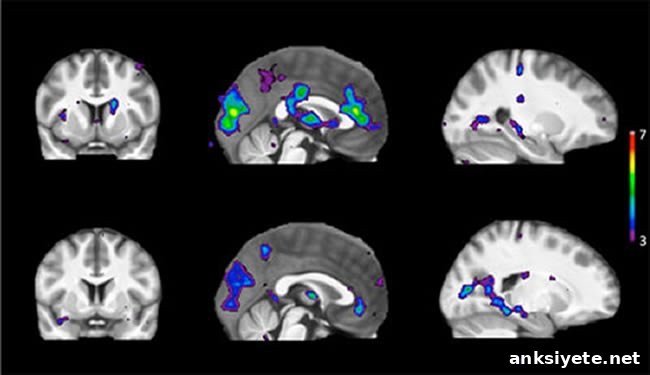
In the study, adult smokers were screened for their nicotine metabolism rate and for the genotype that codes for the relevant metabolic enzyme. Participants were between 18 and 35 years old and reported smoking between five and 25 cigarettes daily for at least two years. The researchers selected the individuals with the slowest and the fastest metabolism and measured their brain responses to visual smoking cues using functional MRI (fMRI). Fast metabolizers exhibited significantly greater activity in brain regions involved in memory, motivation and reward—the amygdala, hippocampus, striatum, insula, and cingulate cortex—when presented with smoking-related images. By contrast, slow metabolizers showed markedly lower cue-induced activation in these areas.
“The finding that nicotine metabolism rate has an impact on the brain’s response to smoking cues supports our hypothesis that individuals with fast nicotine metabolism rates would have a greater brain response to smoking cues because of close coupling in everyday life between exposure to cigarettes and surges in blood nicotine concentration. In other words they learn to associate cigarette smoking with the nicotine surge,” explains clinician-scientist Dr. Alain Dagher, lead investigator at The Neuro. “In contrast, individuals with slow metabolism rates, who have relatively constant nicotine blood levels throughout the day, are less likely to develop conditioned responses to cues. For them, smoking is not associated with brief nicotine surges, so they are smoking for other reasons. Possibilities include maintenance of constant brain nicotine levels for cognitive enhancement (i.e., improved attention, memory), or relief of stress or anxiety.”
These results have practical implications for improving smoking cessation strategies. If nicotine metabolism rate reliably predicts cue reactivity, then measuring metabolism could become part of the clinical decision-making process when choosing treatments. For example, interventions that target cue-induced relapse—such as therapies focused on cue exposure or medications that blunt cue-driven craving—may be especially helpful for fast metabolizers. Conversely, smokers with slow nicotine metabolism, who are less driven by cue-triggered surges, may respond better to treatments that provide steady nicotine replacement, such as long-acting nicotine patches, which help maintain stable blood nicotine levels. Evidence from previous clinical trials supports this distinction: some pharmacotherapies appear to work better for particular metabolic profiles.
Future research should continue to refine how genetic and metabolic markers can guide personalized treatment plans for tobacco dependence. Larger studies could validate whether routine testing for nicotine metabolism improves cessation outcomes, and clinical trials could directly compare different pharmacological and behavioral approaches in fast versus slow metabolizers. Tailoring treatments based on an individual’s biology promises a more precise public-health approach to helping people quit smoking.
Notes about this genetics research
This research was supported by the Canadian Tobacco Control Research Initiative, the Fonds de Recherche en Santé du Québec, and the Canadian Institutes of Health Research.
Contact: Anita Kar – McGill University
Source: McGill University press release
Image Source: Smoking brain scans adapted from McGill University press release image
Original Research: A study from the Montreal Neurological Institute and Hospital. I haven’t tracked this one down yet. I’ll post it when I find it.