
Rare Neurons Discovered in Monkey Brains
Max Planck scientists identify von Economo neurons in macaque insula, advancing research into self-awareness, empathy and neuropsychiatric disorders.
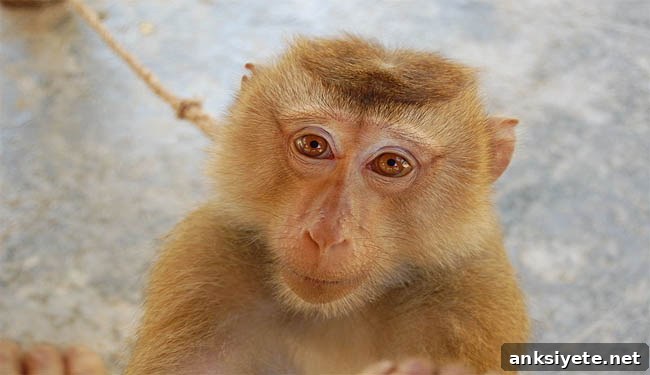
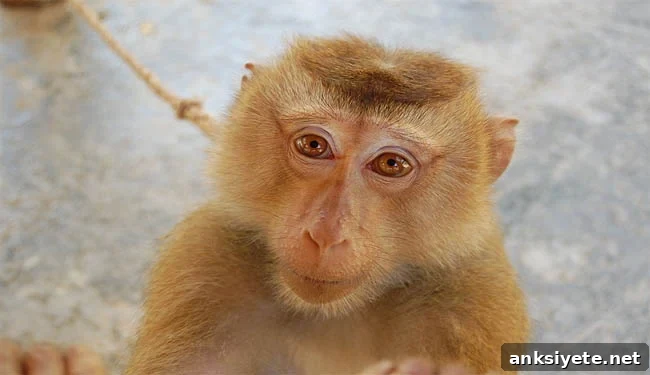
The anterior insular cortex is a compact but highly significant brain region implicated in human self-awareness, subjective feeling, and a range of neuropsychiatric conditions. A distinctive cell type known as the von Economo neuron (VEN) concentrates in this area. Long thought to be restricted to humans, great apes and a few large-brained mammals such as whales and elephants, VENs have now been identified in the anterior insula of macaque monkeys by Henry Evrard and colleagues at the Max Planck Institute for Biological Cybernetics in Tübingen, Germany. The discovery — based on careful anatomical analysis of morphology, size and spatial distribution — indicates that macaques possess a primitive anatomical homolog of the human VEN. This finding opens important experimental pathways to study the connectivity and function of VENs and the anterior insula, which may be central to understanding human self-awareness and disorders such as autism spectrum disorder and certain forms of frontotemporal dementia.
The insular cortex, often called the insula, is a hidden cortical island folded deep within the lateral sulcus. Over the past decade, the insula has emerged as a key node linking internal bodily states, emotion processing, subjective feeling and social cognition. The very anterior portion of the insula is particularly associated with conscious awareness of subjective emotions—feelings like love, shame, embarrassment, self-confidence or resentment—and it interacts with other brain regions involved in evaluating internal and social cues. Disruption to the anterior insula can produce apathy or impair the capacity to recognize or share feelings in oneself and others. Such alterations are reported in autism and in the behavioral variant of frontotemporal dementia (bvFTD), underscoring the clinical relevance of studying insular circuits.
VENs stand out from typical cortical neurons by their distinctive spindle-shaped soma and large size—roughly three times larger than neighboring pyramidal cells. They are found primarily in two regions: the anterior insula and the anterior cingulate cortex. Their selective presence and unique morphology have led researchers to hypothesize specialized roles in rapid, large-scale signaling related to social and emotional processing. Importantly, VEN density and integrity are selectively altered in neurodevelopmental and neurodegenerative conditions, including autism and bvFTD, suggesting that VENs may contribute to the biological basis of altered social cognition and self-related processing.
The Max Planck team’s identification of VENs in macaques alters the previously held view that concentrated VEN populations were exclusive to hominids and a few other large-brained species. Evrard and collaborators present morphological and distributional evidence that macaque VENs are at least a rudimentary homolog of the human form. The presence of VENs in macaques is particularly valuable because macaque models permit invasive and detailed studies of neuronal connectivity, physiology and causal function that are not possible in humans. Mapping VEN connections and recording their activity in behaving animals can provide mechanistic insights into how this neuron class contributes to interoception, emotion, decision-making and social cognition. Such work may in turn clarify how VEN dysfunction contributes to clinical syndromes like autism, bvFTD, and possibly to behaviors relevant to addiction.
It is important to note that, despite this anatomical similarity, macaques do not exhibit human-like self-recognition in mirror tests—an often-used behavioral marker of self-awareness. The discovery therefore suggests that VENs represent an evolutionary step in the development of circuits supporting aspects of subjective feeling and social cognition, rather than a simple neural signature of full human self-awareness. Future comparative and functional studies will be needed to trace VEN phylogeny more precisely and to determine how VEN connectivity evolved in association with complex social behaviors.
The research was conducted by Henry C. Evrard, Thomas Forro and Nikos K. Logothetis and published as “Von Economo Neurons in the Anterior Insula of the Macaque Monkey” in Neuron (Volume 74, Issue 3, 10 May 2012, Pages 482–489). The Max Planck Institute for Biological Cybernetics in Tübingen facilitated the anatomical investigations. For scientists and clinicians interested in the neural substrates of self-awareness, social cognition and related psychiatric disorders, the presence of VENs in macaques presents a new experimental model to probe cellular, circuit and behavioral links in health and disease.
Contact: Dr. Henry Evrard, Stephanie Bertenbreiter – Max Planck Institute for Biological Cybernetics. Source: Max Planck Institute press release. Image credit: Neuroscience image adapted from Wikimedia Commons (photograph by user Amax1; public domain). Original research cited in Neuron (Evrard et al., 2012).