
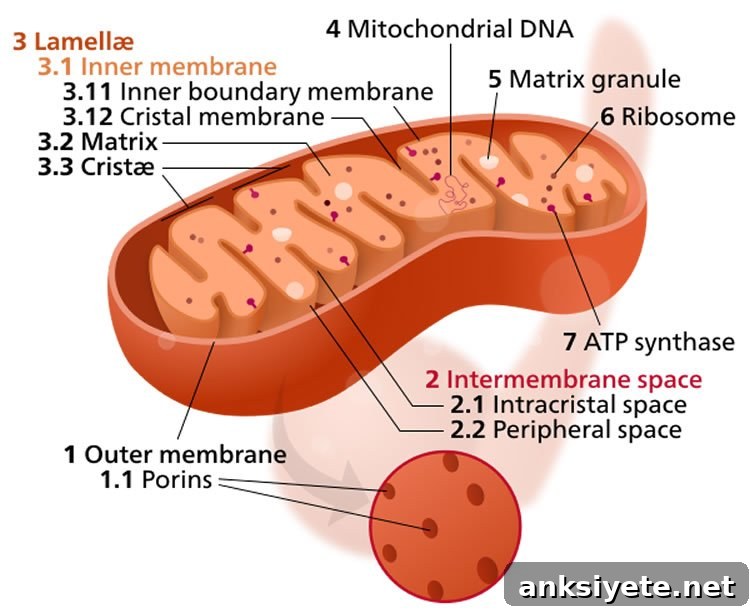
Scientists at The Scripps Research Institute (TSRI) have identified a new signaling role for the enzyme RIPK3 in coordinating communication between mitochondria and the immune system.
The study reveals that RIPK3 links mitochondrial function to natural killer T (NKT) cell activation, a pathway that influences immune responses to tumors and helps regulate inflammatory processes that can lead to autoimmune disease. These findings point to potential strategies for modulating immune activity in cancer and inflammatory conditions.
“This finding could be helpful for developing strategies to target cancer and inflammatory diseases,” said TSRI Assistant Professor of Immunology Young Jun Kang, who led the study in collaboration with the lab of TSRI Institute Professor Richard A. Lerner, Lita Annenberg Hazen Professor of Immunochemistry.
The research was published on September 18, 2015 in the journal Nature Communications.
Talking to the Immune System
RIPK3 (receptor-interacting protein kinase 3) has been previously characterized for its role in necroptosis, a form of programmed cell death that helps protect tissues from infected or damaged cells. However, how RIPK3 influences immune cell behavior beyond cell death processes remained unclear. This new work clarifies that RIPK3 performs an additional, non-lethal role: it modulates mitochondrial signaling to control cytokine production and activation of NKT cells.
Using RIPK3-deficient (Ripk3−/−) mice, the researchers traced a signaling cascade in which RIPK3 activates a mitochondrial phosphatase called PGAM5. Activated PGAM5 then affects downstream regulators, including dynamin-related protein 1 (Drp1) and the transcription factor NFAT, ultimately promoting expression of inflammatory cytokines in NKT cells. Unlike the classical necroptotic pathway, this mechanism does not directly drive cell death; instead, it tunes immune cell activation by altering mitochondrial dynamics and transcriptional responses.
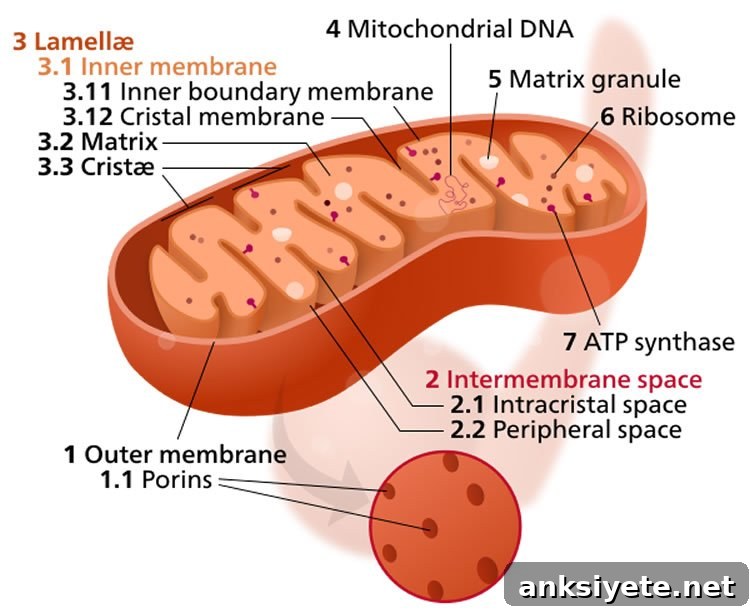
Functionally, the study demonstrates two important outcomes. First, Ripk3−/− mice display reduced NKT cell responses to metastatic tumor cells, indicating that RIPK3-mediated mitochondrial signaling supports anti-tumor immunity. Second, genetic deletion of RIPK3 or pharmacological inhibition of components of the pathway such as Drp1 protects mice from NKT cell-driven acute liver injury, suggesting that blocking this signaling axis can reduce harmful inflammation.
Together, these results establish a RIPK3–PGAM5–Drp1–NFAT signaling axis that connects mitochondrial homeostasis with NKT cell activation, revealing an unexpected role for mitochondrial regulators in shaping immune responses.
Implications and Future Directions
The discovery of a mitochondrial-to-immune signaling pathway opens up new avenues for therapeutic development. By selectively enhancing the RIPK3 pathway, it may be possible to boost NKT cell activity against tumors. Conversely, targeted inhibition of RIPK3 or downstream effectors like Drp1 could offer a means to reduce pathological inflammation in autoimmune or immune-mediated liver diseases.
Kang noted that ongoing and future studies will examine the molecular details of this signaling cascade, the contexts in which it operates, and whether modulation of specific pathway components can yield safe and effective treatments that either enhance anti-cancer immunity or mitigate damaging inflammation.
Authors of the study, titled “Regulation of NKT cell-mediated immune responses to tumours and liver inflammation by mitochondrial PGAM5-Drp1 signaling,” include Young Jun Kang, Bo-Ram Bang, Kyung Ho Han, Lixin Hong, Eun-Jin Shim and Jianhui Ma of The Scripps Research Institute, and Motoyuki Otsuka of the University of Tokyo, with senior involvement from Richard A. Lerner.
Funding: This work was supported by the National Institutes of Health (grant AI088229).
Source: Scripps Research Institute
Image Credit: Kelvinsong (public domain)
Original Research: Full open-access research published online September 18, 2015 in Nature Communications (doi:10.1038/ncomms9371).
Abstract (summary)
The receptor-interacting protein kinase 3 (RIPK3) plays crucial roles in programmed necrosis and innate inflammatory responses. This study demonstrates that RIPK3 is also essential for NKT cell function by activating the mitochondrial phosphatase PGAM5. RIPK3-mediated activation of PGAM5 promotes cytokine expression by facilitating NFAT nuclear translocation and Drp1 dephosphorylation, linking mitochondrial dynamics to immune signaling. Ripk3−/− mice show reduced NKT responses to metastatic tumor cells, while deletion of RIPK3 or pharmacological inhibition of Drp1 protects mice from NKT cell-mediated acute liver damage. These results identify a RIPK3–PGAM5–Drp1/NFAT signaling pathway that mediates crosstalk between mitochondrial function and immune activation, with implications for therapies targeting cancer and inflammatory diseases.