
Summary: Researchers have used CRISPR gene-editing to reprogram stem cells so they can detect joint inflammation and produce an anti-inflammatory biologic to combat arthritis.
Source: WUSTL.
Goal is a vaccine-like therapy that targets inflammation in joints
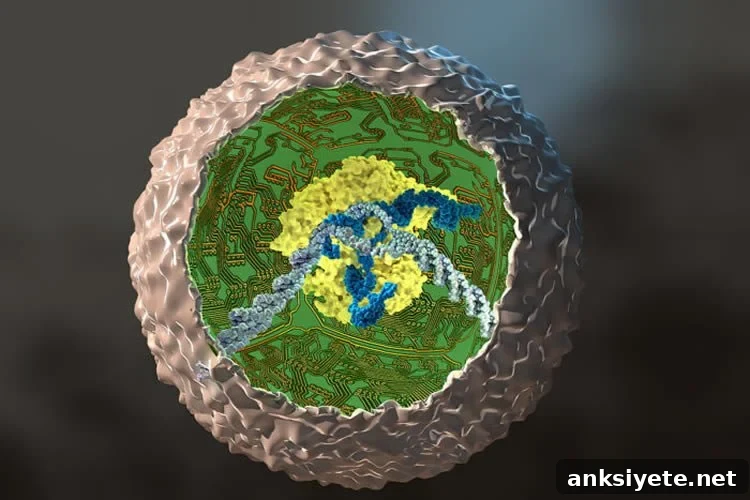
Scientists have engineered mouse stem cells using CRISPR/Cas9 genome editing to create cells that sense inflammatory signals and respond by producing an anti-inflammatory biologic. These modified cells, dubbed SMART cells (Stem cells Modified for Autonomous Regenerative Therapy), are designed to mature into cartilage-producing cells that both replace damaged joint tissue and secrete a therapeutic protein only when inflammation is present. The approach aims to deliver a localized, on-demand therapy that reduces the need for continuous systemic immunosuppression.
The research was carried out at Washington University School of Medicine in St. Louis and Shriners Hospitals for Children–St. Louis, in collaboration with teams at Duke University and Cytex Therapeutics in Durham, N.C. The investigators began with skin cells harvested from mice, reprogrammed them into pluripotent stem cells, and then used CRISPR to remove a gene involved in the inflammatory response and insert a gene encoding a TNF-alpha inhibitor. The engineered stem cells were then directed to differentiate into cartilage cells in culture.
The full study was published online April 27 in the journal Stem Cell Reports.
“Our aim is to develop a vaccine-like cellular therapy for arthritis that releases an anti-inflammatory drug directly inside an affected joint, but only when inflammation is present,” said Farshid Guilak, PhD, professor of orthopedic surgery at Washington University School of Medicine and the paper’s senior author. “To achieve that, we had to design a ‘smart’ cell that senses inflammatory cues and triggers therapeutic production only when needed.”
Current biologic drugs for arthritis, such as Enbrel, Humira and Remicade, neutralize the inflammatory molecule tumor necrosis factor-alpha (TNF-alpha). However, these medications are typically delivered systemically, which can suppress immune function throughout the body and raise the risk of infections and other side effects. By contrast, the SMART cell approach aims to confine therapeutic activity to inflamed joints, activating treatment only in response to local inflammatory signals and avoiding broad immune suppression.
In the laboratory, Guilak and colleagues used CRISPR to replace an endogenous inflammatory mediator in mouse stem cells with a genetic cassette that produces a TNF-alpha inhibitor when inflammatory signals are present. Over several days, the researchers guided the modified stem cells to differentiate into cartilage cells and assemble cartilage-like tissue. Tests showed that the engineered cartilage resisted inflammatory damage: when exposed to cytokines, the cells activated the therapeutic gene and released the biologic agent, which protected both the synthetic tissue and surrounding cells.
“By reprogramming intrinsic signaling pathways, we were able to convert an inflammatory trigger into a protective response,” said Jonathan Brunger, PhD, the study’s first author and a postdoctoral fellow in cellular and molecular pharmacology. “This synthetic biology approach lets us re-code how cells respond to their environment.”
The team also added reporter genes so the engineered cells emit a detectable signal when they engage their inflammation-sensing program, making it easier to monitor cellular responses during experiments. Guilak’s laboratory has begun testing these SMART cells in mouse models of rheumatoid arthritis and other inflammatory disorders to evaluate safety and therapeutic efficacy in vivo.
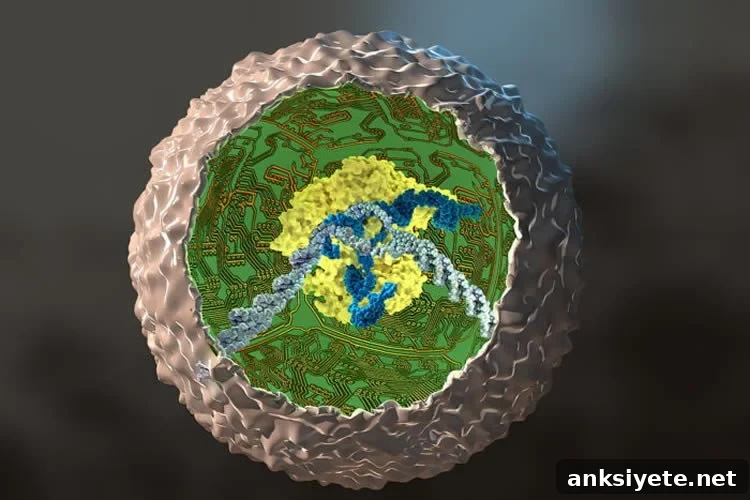
If replicated in animals and eventually translated to humans, the engineered cells or tissues grown from them would respond to elevated TNF-alpha levels by releasing a biologic inhibitor that protects both implanted synthetic cartilage and the patient’s native joint tissue. Because the system is feedback-controlled, therapeutic production would begin rapidly during inflammatory flares and subside as inflammation resolves, minimizing unnecessary systemic exposure.
“When these cells detect TNF-alpha, they promptly activate a therapy that reduces inflammation,” Guilak explained. “The same closed-loop concept could be adapted to other diseases that depend on feedback signals. For example, pluripotent stem cells could be engineered to sense glucose and produce insulin on demand. With CRISPR, we can insert or remove genes to design cells tailored to treat many disorders.”
Brunger emphasized the broader potential: “Building living tissues from smart stem cells that precisely respond to their environment opens new possibilities in regenerative medicine and targeted cell-based therapies.”
Funding: The work received support from the National Institute of Arthritis and Musculoskeletal and Skin Diseases and the National Institute on Aging of the National Institutes of Health (NIH) under grants AR061042, AR50245, AR46652, AR48182, AR067467, AR065956, AG15768, and OD008586. Additional funding came from the Nancy Taylor Foundation for Chronic Diseases, the Arthritis Foundation, the National Science Foundation CAREER award CBET-1151035, and the Collaborative Research Center of the AO Foundation, Davos, Switzerland.
Conflict of interest: Authors Farshid Guilak and Vincent Willard have a financial interest in Cytex Therapeutics, a startup that may license related technology; they could benefit financially if the approach is commercialized and approved for clinical use.
Source: Jim Dryden — WUSTL. Original research: “Genome Engineering of Stem Cells for Autonomously Regulated, Closed-Loop Delivery of Biologic Drugs” by Jonathan M. Brunger, Ananya Zutshi, Vincent P. Willard, Charles A. Gersbach, and Farshid Guilak, published in Stem Cell Reports on April 27, 2017 (doi:10.1016/j.stemcr.2017.03.022).
Highlights
• Stem cells were genetically rewired to sense and counteract inflammation.
• Engineered cells formed tissues that self-regulate biologic drug production.
• Autoregulatory therapy protected engineered tissues from inflammatory cytokines.
• The strategy provides a foundation for a cellular vaccine for inflammatory diseases.
Abstract (concise)
Chronic inflammatory diseases like arthritis result from dysregulated responses to cytokines such as interleukin-1 (IL-1) and TNF-alpha. Pharmacologic anti-cytokine therapies can suppress inflammation but carry systemic side effects and are typically given at constant doses that do not mirror fluctuating disease activity. Using CRISPR/Cas9, the authors engineered stem cells to produce antagonists to IL-1 or TNF-alpha in an autoregulated, feedback-controlled manner. The study demonstrates that genome engineering can reprogram endogenous cell circuits to link inflammatory inputs to therapeutic outputs, establishing a platform for cell-based drug delivery or vaccine-like therapies that respond rapidly and locally to disease signals.