
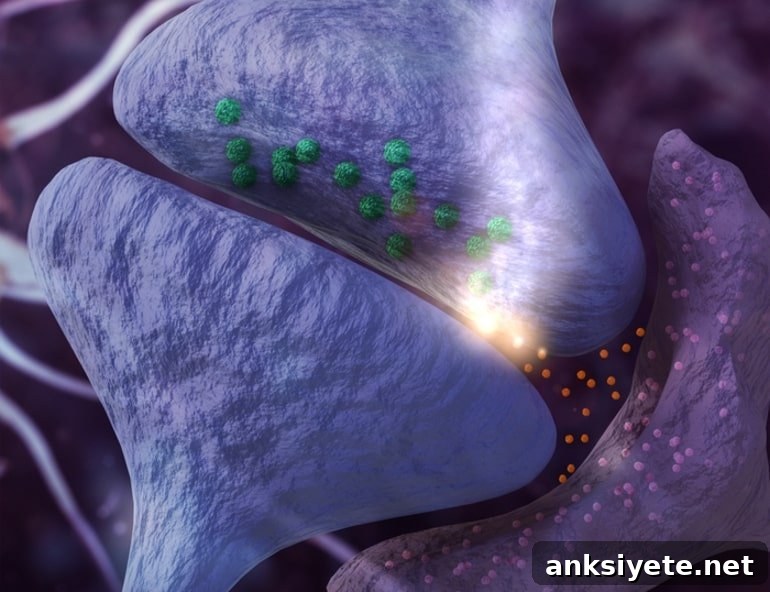
Summary: New preclinical research from Weill Cornell Medicine indicates that dysfunction in astrocytes—non-neuronal support cells in the brain—may drive cognitive decline and memory loss in dementia. The study links accumulation of the protein TDP-43 in astrocytes to abnormal antiviral immune activity, excessive chemokine signaling, neuronal hyperactivity, and progressive memory impairment.
Source: Weill Cornell Medicine
A team of investigators at Weill Cornell Medicine reports that astrocytes with pathological protein buildup can trigger immune responses that impair memory, suggesting a new cellular mechanism contributing to dementia. While most dementia research has focused on neurons, this study highlights how astrocyte dysfunction alone can produce cognitive deficits through altered immune signaling.
Researchers examined postmortem brain tissue from people diagnosed with Alzheimer’s disease or frontotemporal dementia and found abnormal accumulation of the protein TDP-43 in astrocytes within the hippocampus, the region of the brain essential for forming and retrieving memories. To explore how this buildup affects cognition, the team used mouse models and cultured brain cells to recreate and study astrocytic TDP-43 pathology.
In mice, inducing TDP-43 accumulation specifically in astrocytes—either throughout the brain or targeted to the hippocampus—caused progressive memory loss without producing broad behavioral changes. This selective impact suggested a localized vulnerability of hippocampal astrocytes to TDP-43 pathology and a direct link to memory impairment.
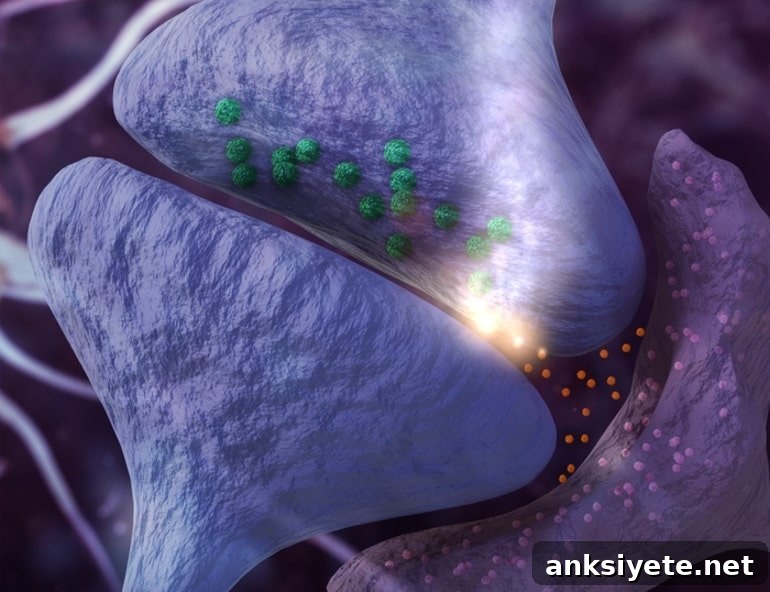
At the molecular level, gene expression analyses revealed that astrocytes with TDP-43 pathology show elevated antiviral gene activity and increased production of interferon-inducible chemokines—even in the absence of any detectable viral infection. These immune messengers are normally part of the brain’s defense against viruses, but when produced in excess they can have unintended effects on nearby neurons.
The study found that neurons in the hippocampus show higher expression of the chemokine receptor CXCR3 at presynaptic terminals. Excessive CXCR3 signaling altered presynaptic function and made neurons hyperexcitable. In functional experiments, blocking CXCR3 reduced neuronal firing in isolated neurons, and genetically deleting CXCR3 in mice rescued the memory deficits caused by astrocytic TDP-43 accumulation. These results indicate that aberrant chemokine-mediated communication from astrocytes to neurons is a critical mechanism linking astrocytic pathology to cognitive decline.
Co-senior authors emphasize that these findings expand the view of dementia beyond neuron-centric models. The data suggest that astrocytes can actively promote cognitive decline through dysregulated immune signaling, shifting attention to glial contributions in neurodegenerative disease. The investigators note that therapeutic strategies that reduce harmful astrocyte immune activity or block downstream neuronal receptors like CXCR3 may hold promise for preserving cognition.
There are practical implications for drug development and repurposing. CXCR3 inhibitors are already being evaluated in clinical trials for inflammatory conditions such as arthritis. Because the new findings identify CXCR3-mediated signaling as a mechanism connecting astrocytic TDP-43 pathology to neuronal hyperactivity and memory loss, these existing compounds could become candidates for testing in dementia models and, eventually, human trials if safety and efficacy can be established.
The work also provides a potential link between antiviral immune responses and long-term cognitive effects observed after some viral infections. Earlier studies have associated certain infections with elevated risk for Alzheimer’s disease and longer-term cognitive symptoms such as memory loss and “brain fog.” Abnormal antiviral signaling in astrocytes may contribute both to increased vulnerability to infection and to immune-driven neuronal dysfunction that accelerates cognitive decline.
Ongoing research by the team aims to define precisely how TDP-43 alters antiviral pathways within astrocytes and whether these changes increase the brain’s susceptibility to viral pathogens. A clearer understanding of astrocyte-driven resilience or vulnerability to brain disease will be essential for developing therapies that protect cognitive function.
About this neuroscience and memory research news
Author: Barbara Prempeh
Source: Weill Cornell Medicine
Contact: Barbara Prempeh – Weill Cornell Medicine
Image: Original 3D by BROKENGRID
Original Research: Open access. “Astrocytic TDP-43 dysregulation impairs memory by modulating antiviral pathways and interferon-inducible chemokines” by Anna Orr et al., published in Science Advances.
Abstract
Astrocytic TDP-43 dysregulation impairs memory by modulating antiviral pathways and interferon-inducible chemokines
TDP-43 pathology is common in dementia, but how TDP-43 affects specific brain cell types and contributes to cognitive decline remains unclear. This study shows that hippocampal astrocytes in patients with Alzheimer’s disease or frontotemporal dementia accumulate TDP-43. In mouse models, inducing astrocytic TDP-43 accumulation—either broadly or confined to the hippocampus—produced progressive memory loss and localized changes in antiviral gene expression that weakened astrocytic defense against viruses.
Affected astrocytes upregulated interferon-inducible chemokines, while neurons showed increased expression of the matching chemokine receptor CXCR3 at presynaptic sites. Activation of CXCR3 altered presynaptic function and promoted neuronal hyperexcitability, mirroring the effects of astrocytic TDP-43 dysregulation. Pharmacological blockade or genetic ablation of CXCR3 reduced neuronal hyperactivity and prevented memory deficits in mice. These results indicate that astrocytic TDP-43 dysfunction drives cognitive impairment through abnormal chemokine-mediated interactions between astrocytes and neurons.