
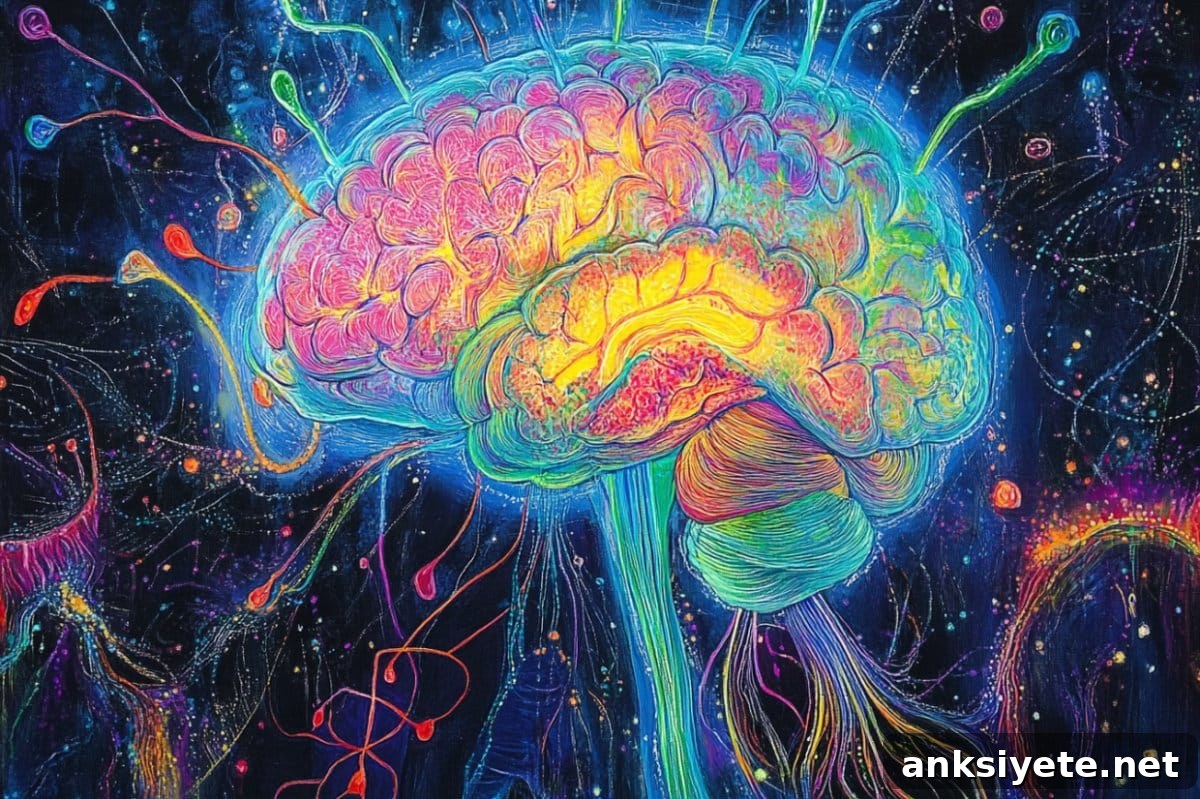
Summary: New research highlights the habenula, a small but influential brain region, as a central regulator of reward, motivation, and emotional states. Studies show habenula circuits shape how the brain responds to reward and disappointment and how it develops drug cravings. This work has revealed promising drug targets—most notably the GPR151 receptor—that could help reduce opioid and nicotine dependence, ease withdrawal, and inform new treatments for depression.
Researchers are actively searching for compounds that can modulate habenula activity with the goal of reducing chemical dependency and improving withdrawal outcomes. Because the habenula also influences mood and motivation, these discoveries have implications that extend beyond addiction and could point to new therapies for chronic depression and motivational disorders.
Key facts:
- Habenula’s role: This tiny neural structure controls reward, aversion, and motivation, shaping addictive behaviors and emotional resilience.
- Drug target: Researchers are pursuing the GPR151 receptor in the habenula as a possible way to reduce opioid and nicotine dependence.
- Broader relevance: Habenula-based approaches could also inform treatments for chronic depression and disorders of motivation.
Source: Rockefeller University
Major scientific advances can come from curiosity-driven choices—like paying attention to brain regions that have received little study. That mindset guided Ines Ibañez-Tallon, a research associate professor in the Laboratory of Molecular Biology at Rockefeller University. Over the past decade her lab has shown that the habenula, a tiny and evolutionarily ancient structure, exerts an outsized influence on addiction, reward processing, and emotional behavior. Those findings have helped launch federally funded efforts to develop medications that could help people overcome chemical dependence.
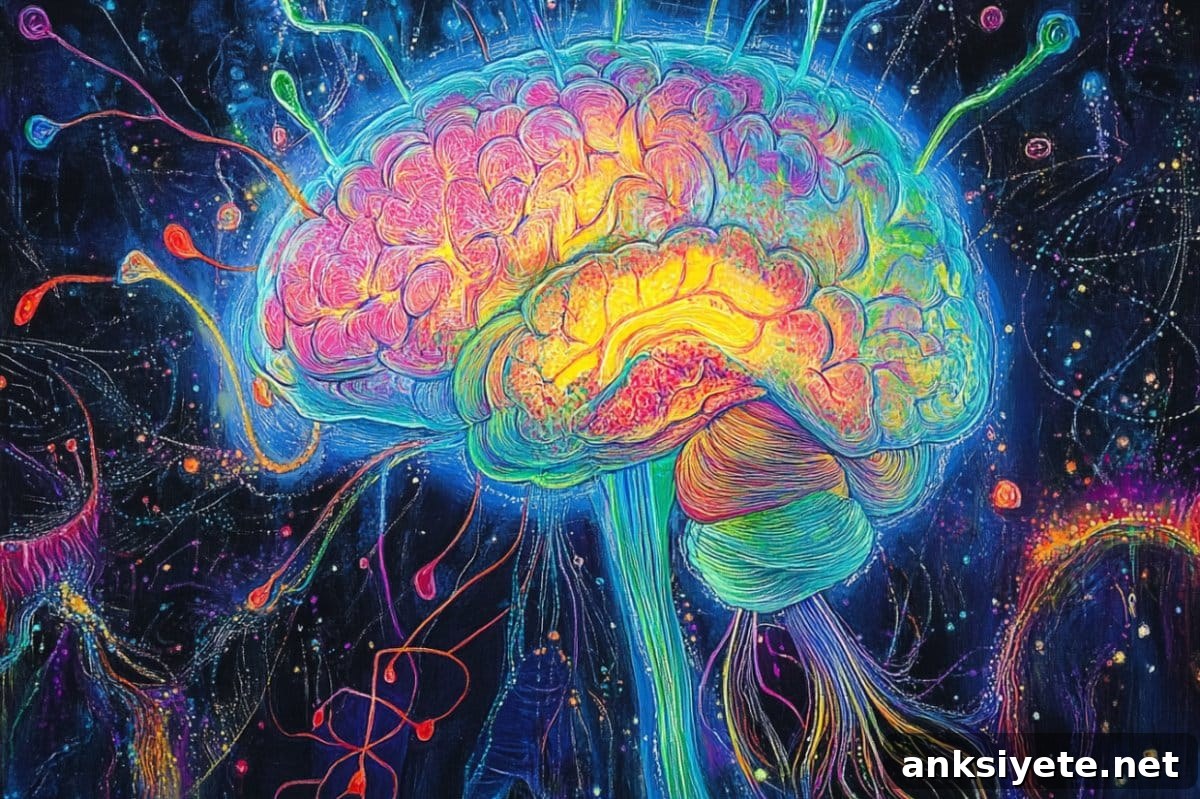
The habenula is a narrow band of gray and white matter—so small it’s often called a microstructure—present in vertebrate brains for hundreds of millions of years. Ibañez-Tallon’s team has mapped its connectivity and molecular makeup and found a densely packed network that acts like both a sensitive sensor and a rapid switchboard. The habenula receives fast chemical signals from the central nervous system and relays them to areas that control neurotransmitters such as dopamine, acetylcholine, serotonin, and norepinephrine.
This circuitry positions the habenula to rapidly translate sensory and internal signals into changes in motivation and emotional state. It helps encode basic learning signals—reward and anti-reward—that influence whether behaviors are repeated. Understanding these dynamics revealed links between habenula function and both nicotine and opioid addiction, and suggested specific molecular targets for intervention.
How did you first link the habenula to addiction?
My lab began by studying nicotinic receptors, which normally respond to acetylcholine but also bind nicotine. Genome-wide studies had identified variants in nicotinic receptor genes that made it harder for some people to quit smoking. Reproducing those mutated genes in mice produced animals that strongly preferred nicotine. Using a technique based on “tethered toxins” to turn parts of neural circuits on or off, we traced the effect to a mutated nicotinic receptor subunit—alpha five (α5)—in the interpeduncular nucleus (IPN), a structure connected to the habenula.
That finding prompted a deeper investigation of habenula circuitry. We later discovered the habenula also concentrates opioid receptors, which helped explain its role in opioid addiction as well as nicotine dependence.
Is the high concentration of nicotinic and opioid receptors in the habenula the root of the problem?
Partly, but location matters too. The habenula sits in the epithalamus above the thalamus and links the forebrain with brainstem and hindbrain regions. Because of this position it acts like an antenna, rapidly sensing signals and influencing distant neurotransmitter systems to produce either aversive or rewarding responses.
This circuitry forms a basic learning loop: on first exposure to a drug like nicotine, the body may respond aversively, but the habenula can trigger neurotransmitter release—acetylcholine for alertness, dopamine for reward, serotonin for mood—turning that experience into a net reward. With opioids, initial effects suppress certain pathways, but subsequent doses change habenular-IPN signaling and reduce negative feedback, promoting escalated use.
Can these insights help stop chemical dependency?
We hope so. A key discovery, made in collaboration with Paul Kenny, is the GPR151 receptor. GPR151 is an orphan receptor that is highly expressed in the habenula. Deleting GPR151 in mice reduces sensitivity to opioids and nicotine, though those animals then consume more drug to compensate. That suggests modulating GPR151 could lower the amount of drug required to achieve satiation and break the cycle of chasing a “missing high.”
How might GPR151-based drugs work?
GPR151 lies at synapses where habenula neurons communicate with IPN neurons. If we can find a ligand that binds GPR151 and modulates its activity, we could dampen opioid or nicotine sensitivity so that people feel relieved with much lower drug doses. Because GPR151 is largely restricted to the habenula, targeting it may allow precise modulation without the widespread effects typical of opioid receptors elsewhere in the body.
What progress has been made in finding a ligand?
Supported by a substantial grant from the NIH HEAL Initiative, we have screened a very large chemical space. So far we’ve assessed around a million compounds and natural products and narrowed candidates to seven chemotypes. With NIH collaborators and synthetic chemists, we are producing analogs to improve activity and stability, then screening them with cell assays and mouse brain tissue. The next steps are in vivo pharmacodynamic studies and, eventually, clinical testing if candidates prove safe and effective.
Do these findings matter beyond addiction?
Yes. The habenula provides a fast, elemental assessment of outcomes that helps shape future behavior. It signals anti-reward when expected rewards don’t arrive, suppressing neurotransmitter surges and steering behavior away from actions that failed to pay off. That mechanism applies to everyday disappointments as well as to drug-seeking.
We are also investigating how positive behaviors like exercise interact with habenula signaling. Mice lacking functional GPR151 are less inclined to run, suggesting the receptor may contribute to the feeling of reward from movement and thus to motivational drive.
How is the habenula linked to depression?
The habenula appears to sense behavioral and chemical changes associated with depression and relay those signals across its network. We’ve identified specialized pacemaker neurons in the habenula that keep a steady rhythm but can be influenced by external inputs. Deep-brain stimulation of the habenula has been tried for treatment-resistant depression and shows promise in limited use—possibly by resetting dysfunctional network activity, similar in concept to electroconvulsive therapy for severe depression.
The path from basic circuit mapping to potential therapies for addiction and depression underscores how fundamental research can translate into new clinical strategies. By focusing on a small, previously overlooked brain structure, researchers have opened new avenues for treating chemical dependency, improving withdrawal outcomes, and addressing mood disorders.
About this addiction and depression research news
Author: Katie Fenz
Source: Rockefeller University
Contact: Katie Fenz – Rockefeller University
Image: Image credited to Neuroscience News