
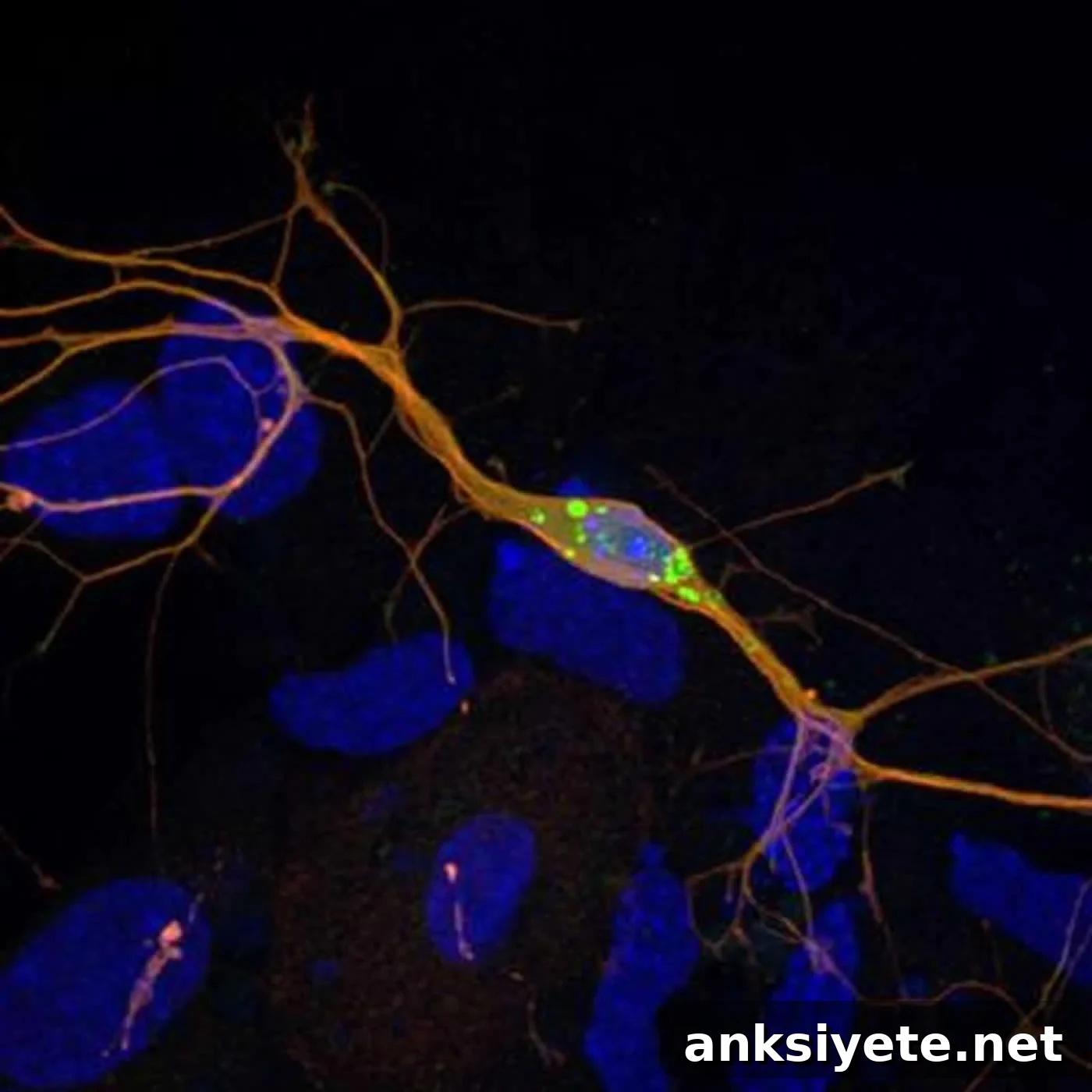
Scientists at EPFL solve a longstanding problem with modeling Parkinson’s disease in animals. Using newfound insights, they improve both cell and animal models for the disease, which can propel research and drug development.
Parkinson’s disease is defined in part by the formation of protein aggregates inside neurons known as Lewy bodies. These intracellular inclusions are primarily composed of a neuronal protein called alpha-synuclein, which under normal conditions helps regulate synaptic function and neurotransmitter release. In Parkinson’s disease, however, alpha-synuclein misfolds, aggregates and assembles into fibrils that accumulate into the dense Lewy body structures that are a pathological hallmark of the disorder.
A century-long problem
Although Lewy bodies and the central role of alpha-synuclein in Parkinson’s have been recognized for many decades, researchers have struggled to reproduce the full process of Lewy body formation in standard animal models. In humans, increases in alpha-synuclein levels can drive aggregation and Lewy body formation, but when human alpha-synuclein is expressed in laboratory mice it often fails to progress to the characteristic Lewy body stage. This gap has limited the ability to study disease mechanisms and to test therapies that target the full spectrum of aggregation and neuronal pathology.
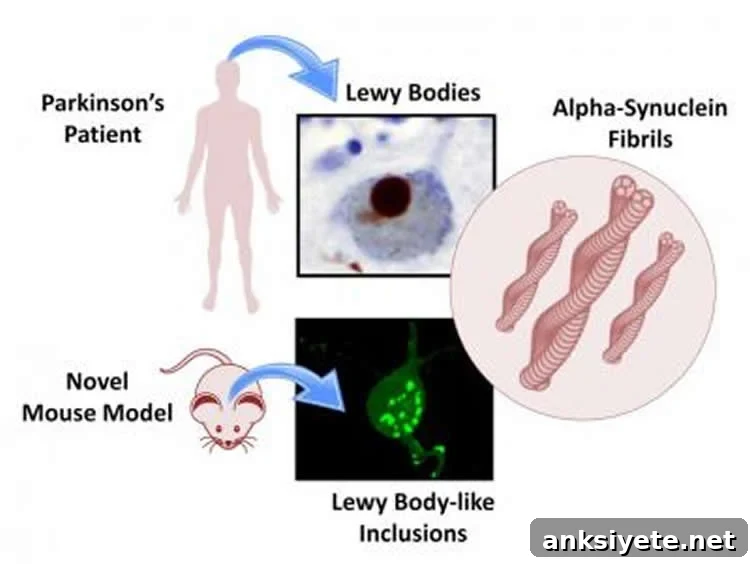
The homologue interaction
EPFL researchers led by Hilal Lashuel investigated why human alpha-synuclein does not reliably form Lewy bodies in mice. Mice express several native synuclein proteins—homologues that are similar but not identical to human alpha-synuclein. The team hypothesized that these mouse homologues could interact with human alpha-synuclein and alter its aggregation pathway, preventing the development of Lewy bodies.
To test this, the group used neuronal cultures and genetically engineered mice that were selectively deficient in one or all of the mouse synuclein homologues. When human alpha-synuclein was produced in those neurons and in the brains of these modified mice, the researchers observed robust formation of aggregates that closely resemble human Lewy bodies. By contrast, neurons and animals with intact mouse homologues failed to progress to the same Lewy body–like inclusions.
Biochemical and imaging analyses revealed that the mouse homologues directly interact with early aggregation intermediates of human alpha-synuclein. These interactions interfere with the growth and spread of fibrillar assemblies, effectively blocking the cascade that leads to mature Lewy bodies. The study demonstrates that the presence of endogenous mouse synuclein homologues is a major reason why conventional mouse models have been poor at reproducing the full pathological sequence seen in human Parkinson’s disease.
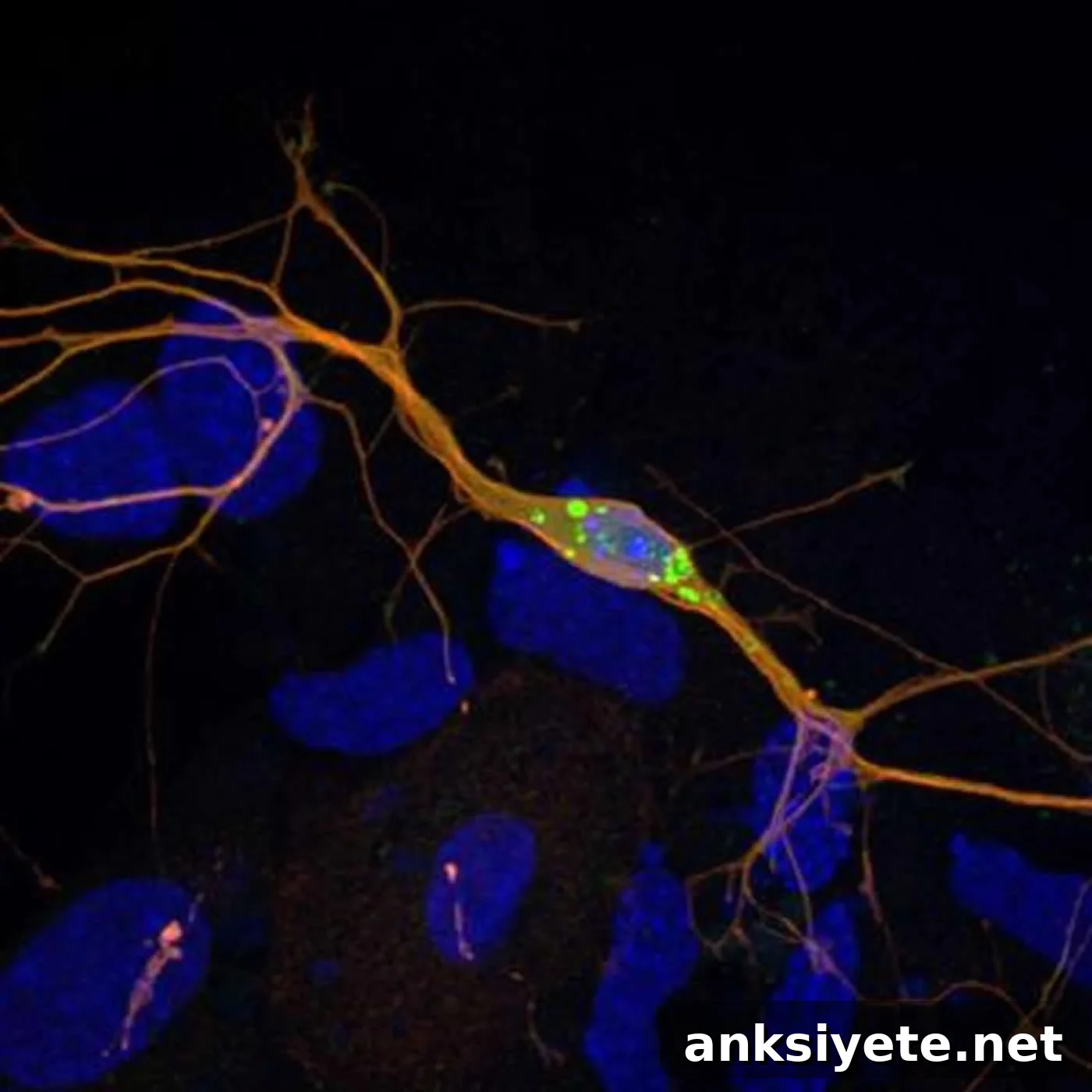
A new model
Armed with these insights, the team created and characterized improved neuronal and mouse models in which the endogenous mouse synuclein homologues are suppressed or removed. These engineered models reproducibly demonstrate the de novo fibrillization of human alpha-synuclein and the formation of Lewy body–like inclusions within neurons—closely recapitulating key features of Parkinson’s disease pathology.
According to the investigators, these new models offer several important advantages for the field. They provide a well-characterized system in which researchers can study the molecular steps that drive alpha-synuclein aggregation, trace how fibrils form and spread within neuronal circuits, and assess the cellular consequences of Lewy body formation. Importantly for translational research, the models also enable more faithful preclinical testing and faster screening of therapeutic candidates aimed at preventing or reversing alpha-synuclein aggregation and Lewy body formation.
“We now have a very well-characterized model that offers a powerful tool for rapid screening of molecular pathways involved in Parkinson’s disease,” says Hilal Lashuel. “Because it allows us to understand how human alpha-synuclein forms fibrils inside neurons and how that contributes to the progression of the disease, we can develop better drugs and intervention strategies to prevent this disease.”
Funding: This work was a collaboration between EPFL’s Brain Mind Institute, the University of California San Diego, and Cardiff University. It was funded by EPFL, the Swiss National Science Foundation, and the Wellcome Trust.
Source: Nik Papageorgiou – EPFL
Image Source: Images credited to Mohamed Bilal Fares (EPFL)
Original Research: The study “Induction of de novo α-Synuclein fibrillization in a neuronal model for Parkinson’s disease” by Fares M-B, Maco B, Oueslati A, Rockenstein E, Ninkina N, Buchman V, Masliah E, Lashuel HA will appear in PNAS.