
Summary: Researchers report that artificial intelligence can detect early signs of Parkinson’s disease from images of the retinal blood vessels captured during a routine eye exam.
Source: RSNA
A routine eye photograph paired with advanced artificial intelligence (AI) could enable earlier detection of Parkinson’s disease, new research presented at the Radiological Society of North America (RSNA) annual meeting suggests.
Parkinson’s disease is a progressive disorder of the central nervous system affecting millions worldwide. Clinical diagnosis typically relies on visible symptoms such as tremors, muscle stiffness, slowed movement and balance problems. However, these motor symptoms often appear only after substantial neurodegeneration has occurred, which limits opportunities for early intervention.
“The problem with symptom-based diagnosis is that patients generally show signs only after prolonged disease progression and considerable loss of dopamine-producing neurons,” said study lead author Maximillian Diaz, a Ph.D. student in biomedical engineering at the University of Florida in Gainesville. “That means many people are diagnosed relatively late in the disease course.”
Neurodegeneration in Parkinson’s disease is associated with structural changes in the retina, the light-sensitive tissue at the back of the eye. Nerve cell loss can lead to thinning of retinal layers, and disease processes can also alter the tiny retinal blood vessels—the microvasculature. Because the eye provides a noninvasive window to the nervous system, these retinal changes create an opportunity to use image-based AI to screen for brain disease.
For this study, Diaz worked with graduate student Jianqiao Tian and neurologist Adolfo Ramirez-Zamora, M.D., under the supervision of Ruogu Fang, Ph.D., director of the Smart Medical Informatics Learning and Evaluation (SMILE) Lab in the J. Crayton Pruitt Department of Biomedical Engineering at the University of Florida.
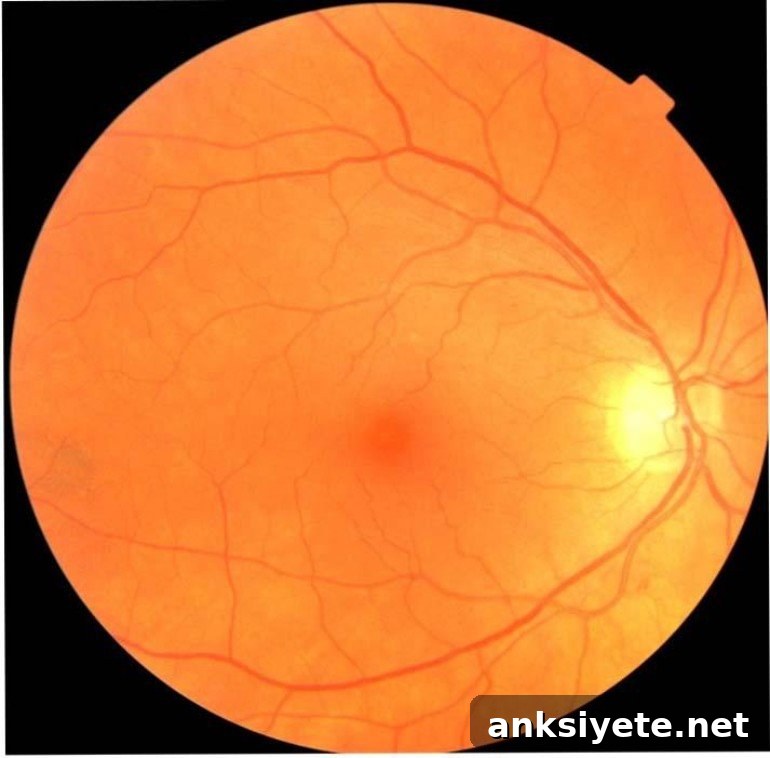
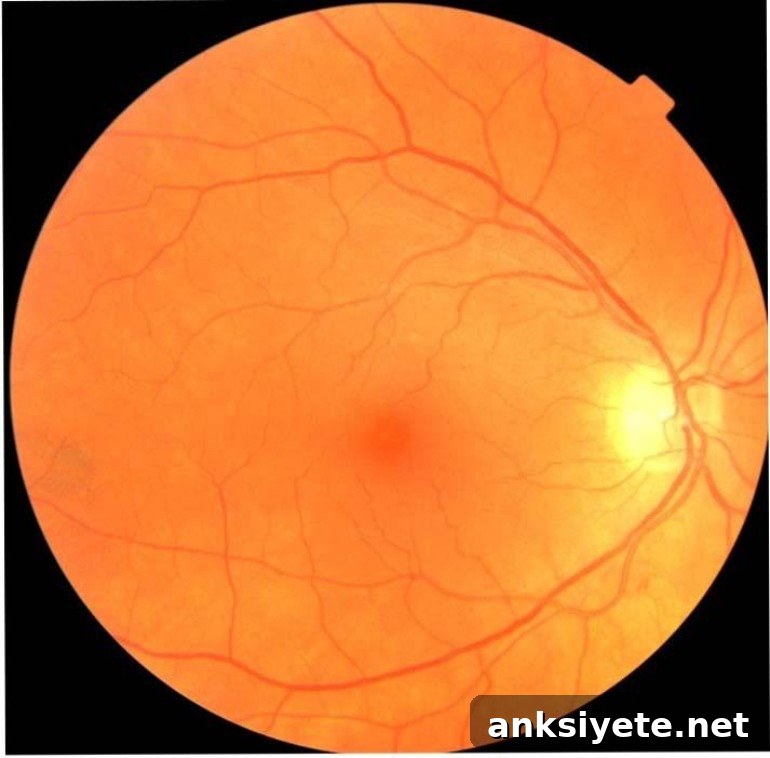
The team applied a classic machine learning technique called support vector machine (SVM) learning. They trained the SVM using fundus images—photographs of the back of the eye—collected from people with Parkinson’s disease and control participants. The goal was to teach the model to recognize retinal vascular patterns and features that correlate with the presence of Parkinson’s disease.
Their analysis found that machine learning models can distinguish Parkinson’s disease cases based on characteristics of the retina’s vasculature. In particular, smaller-caliber blood vessels and related vascular patterns emerged as important features in the algorithms’ classifications. These findings support the broader concept that changes in brain physiology and neurodegeneration may be detected through careful examination of the eye.
“The single most important finding of this study was that a brain disease was identified using a basic picture of the eye,” Diaz said. “This contrasts with traditional methods, where you typically look directly at the brain with MRI, CT or nuclear medicine to find neurological problems.”
Diaz emphasized that conventional neuroimaging techniques—MRI and CT scans and nuclear medicine—are often expensive and not widely accessible for routine population screening. In contrast, fundus photography is inexpensive, quick and widely available in eye clinics. With proper hardware, fundus images can even be obtained using a smartphone equipped with an appropriate lens adapter, making screening potentially scalable.
“It’s just a simple photo of the eye that takes less than a minute to capture. The equipment cost is far lower than that of CT or MRI systems,” Diaz said. “If implemented as part of routine annual screenings, this approach could help identify more cases earlier. Earlier detection could improve our understanding of Parkinson’s progression and support efforts to develop treatments that slow or stop the disease.”
The researchers also noted that this retinal imaging and AI strategy may be applicable to other neurodegenerative conditions that affect brain structure and the retina, such as Alzheimer’s disease and multiple sclerosis, though further research is needed to validate those applications.
About this AI and neurology research news
Source: RSNA
Contact: Linda Brooks – RSNA
Image: Image credited to RSNA
Original Research: Findings presented at RSNA 2020 – 106th Scientific Assembly and Annual Meeting