

 These days you can find a coach for almost anything — life coaches, business coaches, performance coaches, and health coaches. Increasingly, sleep coaches are joining that list.
Sleep coaches help people restore healthy sleep patterns and overcome persistent sleep problems. Their work is practical, client-focused, and often transformative.
According to the American Academy of Sleep Medicine (2020), a large portion of adults fall short of the recommended seven or more hours of sleep per night. If you are curious about pursuing sleep coaching as a career, this article outlines what sleep coaches do, common coaching methods, training routes, useful courses, recommended books, and practical tools you can use with clients.
This Article Contains:
- What Do Sleep Coaches Do?
- 5 Sleep Coaching Methods & Techniques
- How to Become a Sleep Coach 101
- Training in Sleep Coaching: 2 Certification Options
- 4 Best Sleep Coaching Courses & Programs
- Top 3 Books on Sleep Coaching
- Relevant Resources and Tools
- A Take-Home Message
- References
What Do Sleep Coaches Do?
Sleep is essential for recovery, cognitive function, and long-term health. Poor sleep contributes to impaired concentration, mood disturbances, and increased risk for illness. By helping clients improve their sleep, sleep coaches support better physical health, emotional regulation, workplace performance, and overall quality of life.
Typical benefits associated with improved sleep include better immune function, reduced risk of cardiovascular disease, improved metabolic health, decreased pain, and a lower risk of cognitive decline. Sleep improvements can also positively affect family relationships and daily functioning.
Most adults need between seven and nine hours of sleep per night. Factors that commonly disrupt sleep include pain, stress, shift work, environmental noise or light, poor diet, insufficient physical activity, and certain medical or mental health conditions.
Sleep coaches — sometimes called sleep practitioners, sleep trainers, or sleep consultants — use a holistic, person-centered approach. They assess sleep habits and environmental factors, often using intake interviews and sleep diaries, then create tailored plans that may span days or weeks. Coaches follow up with clients to evaluate progress and adjust strategies as needed. Many clients report substantial improvements after working with a sleep coach.
5 Sleep Coaching Methods & Techniques
 Below are common methods sleep coaches use to help clients restore healthier sleep.
1. Maintain good sleep hygiene
Sleep hygiene refers to consistent behaviors that promote restorative sleep. Coaches teach clients to go to bed only when sleepy, to rise if unable to fall asleep after about 30 minutes, and to keep regular sleep–wake times. They also advise keeping the bedroom dark, quiet, and at a comfortable temperature.
2. Keep a sleep diary
A sleep diary records bedtime, wake time, time to fall asleep, number and duration of awakenings, naps, diet, caffeine and alcohol intake, medication, and exercise. This record helps coaches spot patterns and targets for improvement.
3. Improve the sleep environment
Small adjustments to the sleep setting can make a big difference. Coaches may recommend limiting screen time before bed, dimming lights in the evening, optimizing room temperature, using comfortable bedding, and reducing disruptive noises. For families, coaches often advise establishing separate, consistent sleeping arrangements for children and pets where appropriate.
4. Review health, nutrition, and exercise
Coaches consider whether medical or mental health issues could be affecting sleep and refer clients to healthcare providers when appropriate. They also advise on diet and exercise habits that support sleep, such as avoiding heavy meals or excessive caffeine late in the day and finding the right level and timing of physical activity.
5. Balance work and home life
Work-related stress and blurred boundaries, especially with remote work, can undermine sleep. Coaches help clients set clear boundaries, create a dedicated workspace separate from the bedroom, and establish routines that signal the body it is time to wind down.
How to Become a Sleep Coach 101
Sleep coaching can be a highly rewarding career for people who enjoy helping others. Strong communication, empathy, and practical problem-solving skills are essential. Many sleep coaches are self-employed and come from diverse backgrounds such as childcare, nursing, counseling, or general coaching. While a specific prior qualification is not always required, targeted training in sleep science and coaching methods improves credibility and effectiveness.
Training options include short courses, university modules, and professional certifications that teach sleep physiology, assessment tools, behavioral strategies, and client management techniques.
Training in Sleep Coaching: 2 Certification Options
 Several organizations offer structured certification programs for adult sleep coaching. These programs provide scientific background, practical tools, and coaching frameworks that prepare graduates to work with clients professionally.
1. Sleep Science Coach Certification
Comprehensive online programs focus on sleep biology, the health impacts of sleep deprivation, and practical coaching tools. These courses typically include modules on sleep disorders, diagnostic screening, and behavior-change strategies designed specifically for coaching clients with sleep complaints.
2. Integrative Adult Sleep Coach Certification Program
Programs that cover the neurophysiology of sleep and adult sleep issues often include multiple modules and live support sessions. They teach evidence-based strategies and step-by-step coaching protocols for adult clients.
4 Best Sleep Coaching Courses & Programs
Beyond provider certifications, university programs and continuing-education courses can deepen your knowledge and provide formal academic grounding.
1. University health coaching programs with sleep modules
Some universities include dedicated sleep modules within broader health-coaching curricula. These modules explore sleep health, disorders, and interventions and are useful for coaches who want a strong public-health perspective.
2. Standalone academic courses on sleep
Standalone online courses focused on the science and social relevance of sleep provide an academic foundation that complements practical coaching skills.
3. Child-focused sleep practitioner programs
Programs that focus on pediatric sleep explore family-centered approaches, developmental sleep needs, and coaching strategies for parents and caregivers.
4. Professional diploma and continuing-education courses
Established course providers offer diplomas and practical training for those who want to specialize entirely in sleep coaching. These courses typically include case studies and templates for client plans.

Practical Tools for Practitioners
Comprehensive toolkits and exercise packs for stress management and wellbeing can complement sleep coaching practice. They provide ready-made, science-based activities you can use in sessions to support clients’ sleep and overall balance.
Top 3 Books on Sleep Coaching
Books by experienced practitioners and researchers are valuable resources for sleep coaches. Here are three recommended reads that provide practical strategies and evidence-based advice.
1. The Self-Empowering Sleep Book: Solutions Gained From Experience — Delbert Curtis
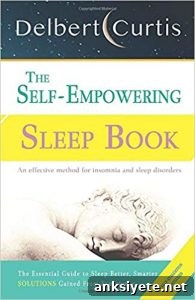
This practical book offers a concise method for improving sleep in a short time frame, with straightforward techniques that coaches can adapt for clients.
2. Sleep: Redefine Your Rest, for Success in Work, Sport, and Life — Nick Littlehales
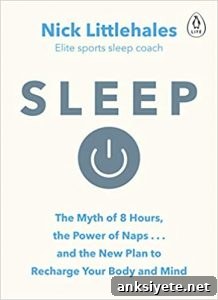
Written by a sleep expert who has worked with athletes, this book explores how modern routines and technology affect rest and offers practical, myth-busting advice that coaches will find useful.
3. The Sleep Book: How to Sleep Well Every Night — Dr. Guy Meadows
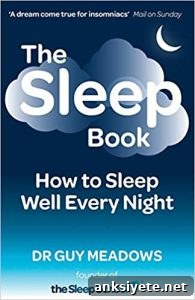
This accessible book presents evidence-based approaches tested with real clients and includes strategies that can be incorporated into coaching practice.
Relevant Resources and Tools
Practical worksheets and checklists help structure coaching sessions and measure progress. Useful tools include sleep-deprivation assessments, sleep-hygiene checklists, two-week sleep diaries, and sleep-restriction worksheets that distinguish time in bed from time asleep. These resources make it easier to identify patterns and design actionable plans.
Validated stress- and burnout-prevention exercises are also helpful adjuncts to sleep coaching, since stress reduction often improves sleep outcomes.
A Take-Home Message
Sleep coaching is a growing, impactful niche that helps clients reclaim an essential foundation of health: restorative sleep. A compassionate, systematic approach — combining sleep education, environment optimization, behavioral strategies, and practical tools — can produce meaningful improvements in clients’ physical and mental wellbeing.
There is no single pathway to becoming a sleep coach. Training options range from short courses and professional certificates to university modules. Building solid knowledge of sleep science and developing strong coaching skills will help you stand out and deliver effective, life-changing support to clients.
References
- American Academy of Sleep Medicine. (2020). Sleep prioritization survey: Adult sleep duration.
- Consumer Reports. (2016). What is a sleep coach, and do you need one?
- Curtis, D. (2020). The Self-Empowering Sleep Book: Solutions Gained From Experience.
- Ingram, D. G., Mindell, J. A., Puzino, K., & Walters, R. M. (2016). A survey of practicing sleep coaches. Behavioral Sleep Medicine, 16(3), 1–12.
- Irish, L. A., Kline, C. E., Gunn, H. E., Buysse, D. J., & Hall, M. H. (2015). The role of sleep hygiene in promoting public health. Sleep Medicine Reviews, 22, 22–36.
- Littlehales, N. (2016). Sleep: Redefine Your Rest, for Success in Work, Sport and Life.
- Meadows, G. (2014). The Sleep Book: How to Sleep Well Every Night.
- Mosley, M. (2020). Fast Asleep: How to Get a Really Good Night’s Rest.
- National Institute of Neurological Disorders and Stroke. (2019). Brain basics: Understanding sleep.
- Vorvick, L. J. (2020). Sleep and your health. MedlinePlus.
- Walker, M. P. (2018). Why We Sleep: The New Science of Sleep and Dreams.
- Watson, N. F., et al. (2015). Recommended amount of sleep for a healthy adult. Sleep, 38(6), 843–844.
- Worley, S. L. (2018). The extraordinary importance of sleep. Pharmacy & Therapeutics, 43(12), 758–763.