
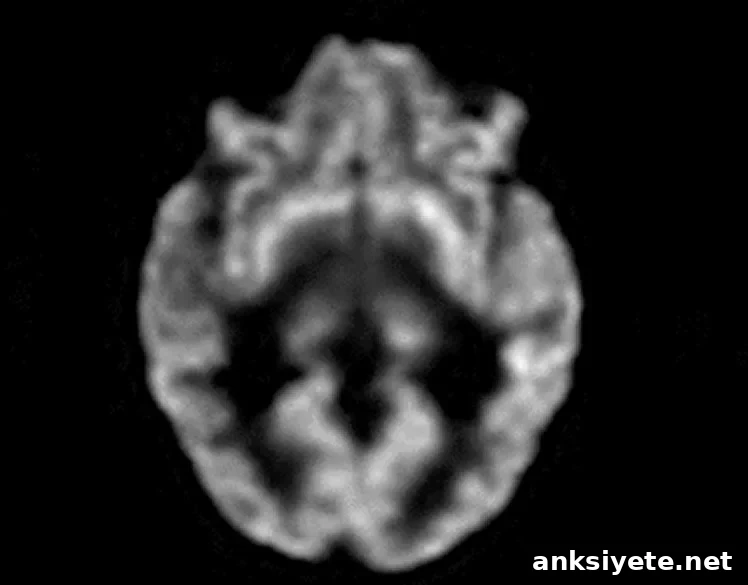
Summary: A new PET imaging technique offers a way to measure synaptic changes in living brains, improving research into neurological and psychiatric disorders.
Source: Yale.
Researchers led by Yale have developed a novel imaging method to measure synaptic density in the living brain. The approach could improve diagnosis and monitoring of a wide range of conditions, including epilepsy and Alzheimer’s disease.
The study was published July 20 in Science Translational Medicine.
Chemical synapses—the specialized junctions where one nerve cell communicates with another—play a central role in brain function. Alterations in synapse number and structure are associated with many neurodegenerative and neuropsychiatric disorders, but until now synaptic changes in humans could only be assessed indirectly or after death. To overcome this limitation, the Yale-led team set out to develop an in vivo method to quantify synaptic density across the brain.
Professor of Radiology and Biomedical Imaging Richard E. Carson and his colleagues combined positron emission tomography (PET) with a custom radioligand that binds to synaptic vesicle glycoprotein 2A (SV2A), a protein present in presynaptic terminals throughout the brain. The radioligand [11C]UCB-J, when injected, attaches to SV2A at synapses; PET imaging then detects the tracer’s distribution. Mathematical modeling of the PET signal provides a quantitative measure of synaptic density across brain regions.
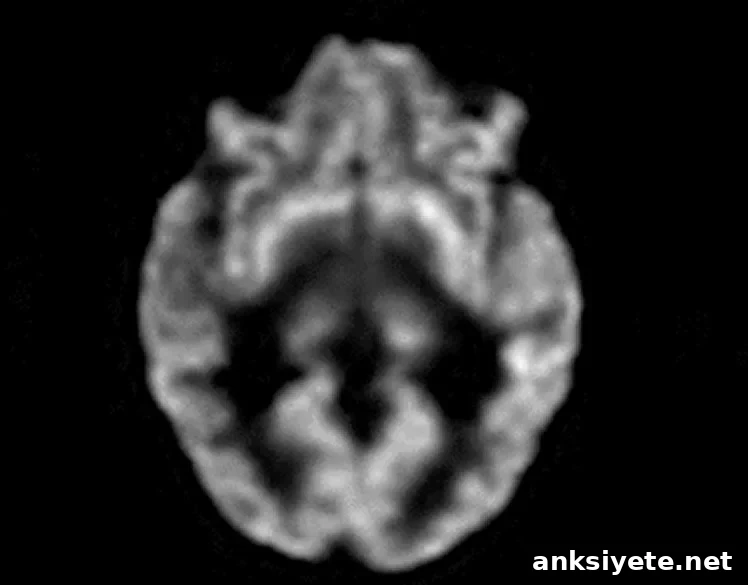
The researchers validated the method in nonhuman primates and then in human volunteers. Validation work in a baboon confirmed that SV2A imaging correlates with established synaptic markers. First-in-human studies showed that [11C]UCB-J has favorable imaging characteristics and enables clear visualization of synaptic distribution. In a small clinical comparison, PET measurements revealed reduced synaptic density in the affected temporal lobe of patients with temporal lobe epilepsy compared with healthy controls.
“This is the first time we have been able to measure synaptic density in living human beings,” said Richard E. Carson, the study’s senior author. Prior approaches required tissue from autopsy or surgical resection, limiting the ability to study disease progression and treatment effects over time.
Noninvasive synaptic imaging opens multiple research and clinical possibilities. Longitudinal PET scans could track how synaptic density changes with aging or disease progression, providing a biomarker for conditions such as Alzheimer’s disease, epilepsy, Parkinson’s disease, schizophrenia, and depression. The technique also offers a tool to evaluate whether experimental therapies preserve or restore synapses—an important endpoint for drug development in neurodegenerative and neuropsychiatric disorders.
Carson and his collaborators plan further studies applying SV2A PET imaging to larger patient cohorts and to a broader range of disorders to clarify patterns of synaptic loss and recovery. Because synaptic dysfunction contributes to many brain diseases, having a reliable in vivo measure may help refine diagnosis, stratify patients for targeted treatments, and assess therapeutic impact more directly.
Key contributors to the published work include Sjoerd J. Finnema, Nabeel B. Nabulsi, Tore Eid, Kamil Detyniecki, Shu-fei Lin, Ming-Kai Chen, Roni Dhaher, David Matuskey, Evan Baum, Daniel Holden, Dennis D. Spencer, Joël Mercier, Jonas Hannestad, Yiyun Huang, and Richard E. Carson.
Funding: The study received support from the Swebilius Foundation, UCB Pharma, and the National Center for Advancing Translational Sciences (a component of the National Institutes of Health). Two contributors were employed by UCB Pharma when the work was planned and executed; this support and affiliation are disclosed in the study.
Abstract
Imaging synaptic density in the living human brain
Chemical synapses are the principal neuron-to-neuron contacts in the central nervous system. Changes in synapse number are linked to many brain disorders, including Alzheimer’s disease and epilepsy. Existing human measurements require brain tissue obtained at autopsy or from surgical resection. This work reports the use of the SV2A radioligand [11C]UCB-J with PET to quantify synaptic density in the living human brain. Validation in a baboon confirmed SV2A as a viable synaptic marker. First-in-human PET studies showed excellent imaging properties for [11C]UCB-J, and PET imaging of SV2A was sensitive to synaptic loss in patients with temporal lobe epilepsy. Thus, [11C]UCB-J PET is a promising method for in vivo quantification of synaptic density with potential applications in diagnosis and therapeutic monitoring of neurological and psychiatric disorders.