
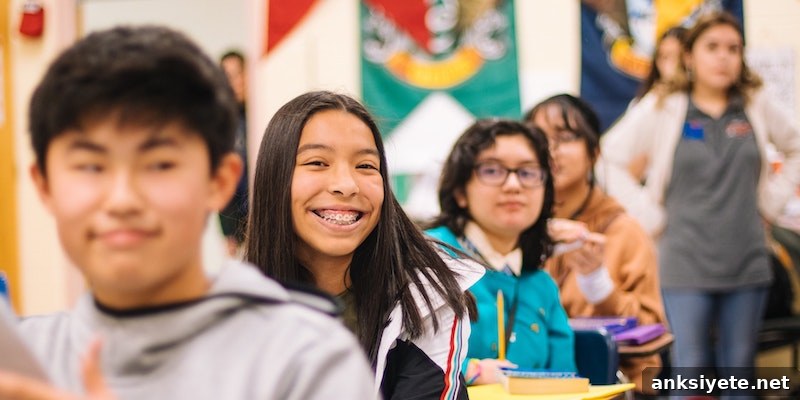
 School counselors are central to students’ wellbeing and to the smooth functioning of schools. Their work combines professional expertise in counseling theory, practical techniques, and tools with the trust they build with students and families (Coleman & Yeh, 2011).
Although counselors work within job descriptions, guidelines, and school policies, they shape their practice around professional judgment and the needs of their students (Wright, 2012).
This article presents practical techniques and resources to help school counselors support students effectively.
Before you continue, you may want to download our five positive psychology tools for free. These science-based exercises focus on strengths, values, and self-compassion and can help you promote student wellbeing.
This Article Contains:
- Counselors’ Toolkit: 5 Valuable Resources
- 10 Counseling Techniques to Use With Students
- Top 8 Topics for Counseling Sessions
- Useful Templates, Forms, and Questions to Ask
- Recommended Books on School Counseling
- A Note on Positive Education
- Tools From PositivePsychology.com
- Key Takeaways
- References
Counselors’ Toolkit: 5 Valuable Resources
Effective school counselors are optimistic about their skills and their students’ potential for growth (Wright, 2012). Like other mental health professionals, they rely on practical, reliable resources to guide their work.
Below are five useful websites that offer tools and guidance for both new and experienced school counselors:
- School-Counselor.org
School-Counselor.org provides a broad collection of materials for professionals considering the role or seeking tools to improve their practice. Resources cover anxiety and anger management, career counseling, communication techniques, and worksheets. - ElementarySchoolCounseling.org
ElementarySchoolCounseling.org was developed by an elementary school counselor to share practical tips, classroom counseling activities, and a curated list of blog and website resources valuable for program planning. - American Counseling Association (Counseling.org)
The American Counseling Association offers policy guidance, practice resources, and research summaries that support school counselors addressing stress, bullying, grief, and diversity-related issues. - Teachers Pay Teachers
Teachers Pay Teachers hosts many teacher-created worksheets and lesson plans that are useful for counseling lessons, classroom activities, and small-group work. - ConfidentCounselors.com
Confident Counselors offers downloadable worksheets and program planning tools designed to help counselors maximize limited time and resources.
10 Counseling Techniques to Use With Students
School counselors and educators use a range of counseling skills to promote healthy development and reduce risks for poor outcomes (Coleman & Yeh, 2011).
Useful techniques for working with students include:
- Artful reframing
Help students see mistakes or social setbacks from a different perspective. Asking what advice they would give a friend in the same situation can make it easier to reframe events more positively. - Relaxation and mindfulness
Teach breathing techniques, mindfulness, and self-care practices to reduce stress and improve emotional regulation. - Open-ended questioning
Use curious, open questions and a collaborative problem-solving stance to build trust and encourage students to explore solutions. - Goal-setting
Set achievable goals with students and break larger objectives into smaller steps so they experience steady progress and motivation. - Labeling feelings
Support students in naming emotions, accepting difficult feelings, and noticing positive emotions to improve emotional literacy. - Challenging cognitive distortions
Help students identify unhelpful thought patterns like catastrophizing or overgeneralizing and practice alternative, balanced thoughts. - Validation
Acknowledge students’ feelings even when you disagree with their interpretations—this builds empathy and opens the way to problem-solving. - Active and reflective listening
Attend closely with appropriate nonverbal cues, paraphrase, and reflect feelings to strengthen the therapeutic relationship. - Psychoeducation
Use group or classroom sessions to teach about emotions, coping strategies, and mental health resources in an accessible way. - Incremental exposure
Gradually reduce avoidance by giving students controlled access to anxiety-provoking situations and strategies to manage them (for example, a quiet space before an exam).
Top 8 Topics for Counseling Sessions
 Students’ social and academic development takes place within peer relationships and the school environment, so counselors frequently address a broad range of interpersonal and contextual issues (Coleman & Yeh, 2011).
Common topics for counseling include:
- Friendships
Counsel sessions can help students manage conflicts and develop skills for maintaining healthy friendships. - Social networks and status
Students’ sense of belonging is influenced by cliques, crowds, and social identity, which can be sources of confidence or isolation. - Stereotyping and crowds
Belonging to or being judged by a social group can affect students’ self-worth and may require targeted support. - Rejection
Students who experience rejection may respond with withdrawal or aggression; counselors can address underlying emotions and coping strategies. - Romantic relationships
Dating and romantic expectations can be highly salient for young people and are legitimate topics for guidance and skills-building. - Academic pressure and perceived failure
Counselors help students manage performance anxiety, reframe failure, and address systemic factors that affect achievement. - Family dynamics
Family cohesion, structure, and parental monitoring strongly influence students’ behavior and school performance. - Bullying and victimization
Bullying must be addressed promptly to ensure students’ physical and psychological safety and to restore a positive school climate.
Counselors play many roles and should remain open and empathetic, listening carefully to students’ accounts to understand context and respond effectively (Coleman & Yeh, 2011).
Free Positive Psychology Exercises (PDF)
Complement your counseling practice with science-based exercises that support wellbeing, resilience, and self-awareness.
Useful Templates, Forms, and Questions to Ask
The following downloadable worksheets and templates are practical tools counselors can use in intake, sessions, or as homework.
Student Referral Form
Many students come to counseling via referral after an identified concern or a crisis. A clear Student Referral Form captures details about the student, the referrer, and the reason for referral.
Using the “I-Message” to Manage Emotions
Learning to communicate feelings clearly helps students manage conflicts. The “I-Message” worksheet prompts students to express emotions in structured statements such as:
- I feel … (name the emotion)
- When you … (describe the behavior or situation)
- Because … (explain why it affects you)
This approach helps students share feelings without blame and encourages constructive dialogue.
Student Session Notes
Counselors should document sessions, goals, and progress. A Student Session Notes form records the issues discussed, agreed goals, and action steps, and can be shared with caregivers when appropriate.
Positive Psychology Toolkit
The Positive Psychology Toolkit© offers a large collection of science-based exercises, activities, and assessments designed for practitioners working with children and adolescents.
It includes practical interventions and templates that can be adapted for school settings.
Student Self-Referral
Provide a Student Self-Referral form so students can confidentially request help. This form typically asks about urgency and the areas of life (school, home, peers) where they need support.
Self-Esteem Checkup for Kids
A Self-Esteem Checkup helps students reflect on beliefs about themselves (for example, “I believe in myself,” “I can handle my mistakes”) and rate their overall self-esteem. This can inform goals for counseling work.
Self-Awareness Checkup for Kids
Self-awareness supports healthy relationships and behavior. A Self-Awareness Checkup invites students to identify strengths, areas for growth, favorite and least favorite parts of school, and where they would like help.
Recommended Books on the Topic
These books are useful references for school counselors seeking deeper theoretical knowledge and practical interventions:
1. Handbook of School Counseling – Hardin Coleman & Christine Yeh
This comprehensive handbook reviews school counseling theory and practice and is especially helpful for professionals developing a strong foundation for their work.
2. Career and College Readiness Counseling in P–12 Schools – Jennifer Curry & Amy Milsom
This practical text offers guidance for supporting students’ career and college planning across grade levels, with concrete ideas for lesson planning and counseling activities.
3. Introduction to School Counseling – Robert Wright
This book prepares readers for the responsibilities of school counseling, providing real-life examples and interventions for issues such as bullying, diversity, and disability supports.
A Note on Positive Education
Positive education blends traditional academic goals with wellbeing-focused practices that foster motivation, growth mindsets, and deeper learning (Ritchhart & Church, 2020). Integrating positive psychology approaches can help students flourish socially, emotionally, and academically.
Resources on applying positive psychology in schools cover topics such as intrinsic motivation, classroom practices, and whole-school wellbeing strategies.
17 Positive Psychology Exercises for Practitioners
A curated collection of validated exercises can expand the toolbox available to counselors and educators working to promote wellbeing and resilience.
Tools From PositivePsychology.com
PositivePsychology.com offers a range of free worksheets and more extensive practitioner tools available through subscription. Free examples include:
- I Love My Classmate
A classroom game that promotes kindness and resilience. - How to Apologize
A lesson plan that teaches students to recognize when someone is hurt and how to apologize sincerely. - Friend Wanted
An activity to help students identify qualities of a good friend. - Understanding Empathy
A worksheet that explains empathy and examples of empathic responses.
Expanded activities such as a Self-Compassion Box and a Self-Care Vision Board guide students through practical steps to build self-compassion and regular self-care practices.
Key Takeaways
School years are a period of rapid physical and psychological change. Counselors offer continuous guidance, crisis intervention, and skills-building to help students navigate social relationships and academic demands.
Successful counselors remain optimistic, open, and nonjudgmental, listening to students’ perspectives to understand the full context of concerns. Knowledge of developmental psychology and evidence-based techniques supports effective practice.
Use the techniques, templates, and resources described here to strengthen your counseling practice and better support students’ wellbeing and growth. For a quick start, consider downloading the free positive psychology tools linked above.
- Adams, M. (2016). Coaching psychology in schools: Enhancing performance, development and wellbeing. Routledge.
- Coleman, H., & Yeh, C. (2011). Handbook of school counseling. Routledge.
- Curry, J., & Milsom, A. (2017). Career and college readiness counseling in P–12 schools (2nd ed.). Springer.
- Fagell, P. L. (n.d.). Eight counseling techniques every middle school educator can use. Association for Middle Level Education.
- Goleman, D. (2006). Emotional intelligence. Bantam Books.
- Peters, S. (2018). My hidden chimp: Helping children to understand and manage their emotions, thinking and behaviour with ten helpful habits. Studio Press.
- Ritchhart, R., & Church, M. (2020). Power of making thinking visible: Practices to engage and empower all learners. Jossey-Bass.
- Wright, R. J. (2012). Introduction to school counseling. SAGE.