

 Homework assignments have been a central element of Cognitive Behavioral Therapy (CBT) since the 1970s (Kazantzis, 2005). These between-session tasks let clients transfer skills learned in therapy into everyday situations, increasing the likelihood that treatment produces lasting change.
In this article, we explain why homework is essential in CBT, outline strategies for creating engaging assignments, and give practical examples and worksheet ideas—especially for therapists who want to use modern digital tools to keep clients motivated and on track.
This Article Contains:
- Why Homework Matters in CBT
- How to Deliver Engaging CBT Homework
- Three Homework Examples
- Assignment Ideas & Worksheets
- Take-Home Message
- References
Why Homework Matters in CBT
Research and clinical experience indicate that homework is the primary mechanism by which clients consolidate cognitive and behavioral changes from CBT (Beutler et al., 2004; Kazantzis, Deane, & Ronan, 2000). Homework provides repeated practice, supports skill generalization, and creates real-world evidence that new strategies work.
Behavioral learning foundations
From a behaviorist perspective, homework helps clients break unhelpful stimulus–response links and form new, adaptive responses. For example, a person who flinches at the sound of screeching tires after a car accident can use exposure and relaxation exercises between sessions to develop a calmer response. Similarly, operant principles allow clients to test new behaviors that might bring reward—such as asking for support from others—so they learn those behaviors are effective.
Social learning and cognitive influences
Social learning and cognitive theories explain how expectations and self-efficacy shape a client’s willingness to complete homework (Bandura, 1989; Kazantzis & L’Abate, 2005). Past success, observing similar others, and encouragement all raise the perceived value of tasks. Therapists can increase compliance by presenting homework as achievable, personally relevant, and clearly beneficial—often by modeling or sharing anonymized, de-identified examples of positive outcomes.
How to Deliver Engaging CBT Homework
Well-designed homework is specific, achievable, and clearly linked to therapy goals. Digital delivery tools make it easier to customize, schedule, and track assignments while increasing client engagement through reminders, progress visualizations, and in-app encouragement.
Benefits of digital assignment delivery
Using a blended-care platform or a secure app to send homework can improve completion rates for several reasons:
- Clients can access materials on familiar devices, lowering barriers to use.
- Automated reminders and push notifications support memory and routine.
- Progress tracking and charts provide visible evidence of improvement.
- Therapists can send timely encouragement and clarify tasks between sessions.
Platforms that let clinicians customize activities, sequence them into multi-week pathways, and adapt content to the individual can make homework feel more relevant and manageable. When clients see short-term benefits and understand the rationale for tasks, their motivation and adherence typically improve.
Free Tools to Support CBT Homework
Practical, science-based exercises and worksheets can help clients practice skills between sessions. Consider offering a short downloadable packet that includes a thought record template, a brief relaxation script, and a daily mood/activity log to boost homework completion.
Using Digital Tools for CBT: 3 Homework Examples
Below are three evidence-informed homework activities therapists can assign, whether delivered via email, an app, or a platform that supports customized activities and tracking.
1. Urge Surfing
Many difficulties in CBT involve learned urges and automatic actions (Bouton, 1988). Urge Surfing teaches clients to notice cravings or impulses as temporary, physical sensations rather than commands that must be followed. A short guided meditation (five to eight minutes), a simple body-scan instruction, and a brief reflection prompt help clients ride out urges without acting on them.
2. Cognitive Defusion Exercises
When clients fuse with negative thoughts—treating them as absolute truth—their emotions and behavior follow. Defusion exercises help create distance from thoughts so clients can observe and evaluate them. Homework can include short, step-by-step activities: notice the thought, label it (“I’m having the thought that…”), record its content, and then generate alternative, less distressing perspectives.
3. Finding Silver Linings
Clients struggling with guilt, regret, or pervasive negativity benefit from structured reappraisal tasks. A “Finding Silver Linings” activity invites daily or weekly reflection on small positive moments, strengths shown in adversity, and lessons learned—building optimism and resilience over time.
Practical Resources for Clinicians
Ready-made templates—thought records, behavior experiments, exposure hierarchies, and stress diaries—save time and make homework more consistent. Consider keeping a small library of adaptable worksheets you can tailor to each client’s needs.
Assignment Ideas & Worksheets for Common Presentations
Below are targeted homework ideas for anxiety, depression, and obsessive-compulsive problems. Each example is designed to be brief, structured, and clearly tied to measurable therapy goals.
Anxiety
Helpful tasks for anxiety include short breathing or progressive muscle relaxation recordings, brief daily mood ratings, and cognitive challenges of catastrophic thoughts. A practical plan: assign one or two short audio meditations for in-the-moment regulation and a nightly 5–10 minute reflection that logs anxiety levels, triggers, and coping attempts. Charting patterns over time supports discussion in sessions.
Depression
Depressive symptoms often make concentration and memory difficult, so assignments should be simple and short. Activity scheduling, behavioral activation tasks, brief thought diary entries, and gentle reappraisal worksheets work well. Use reminders and small, achievable goals (e.g., a 10-minute walk, one pleasant activity per day) to rebuild routine and collect behavioral evidence against low expectations.
Obsessions and Compulsions
Early homework often focuses on self-monitoring: recording intrusive thoughts, triggers, and the frequency of rituals. This increases awareness and gives the therapist actionable data. Later tasks target exposure and response prevention (ERP): graded in vivo or imaginal exposures with structured reflection prompts to record urge intensity, distress ratings, and prevention of ritualized responses. Digital tracking makes it easy to sequence exposures and review progress.
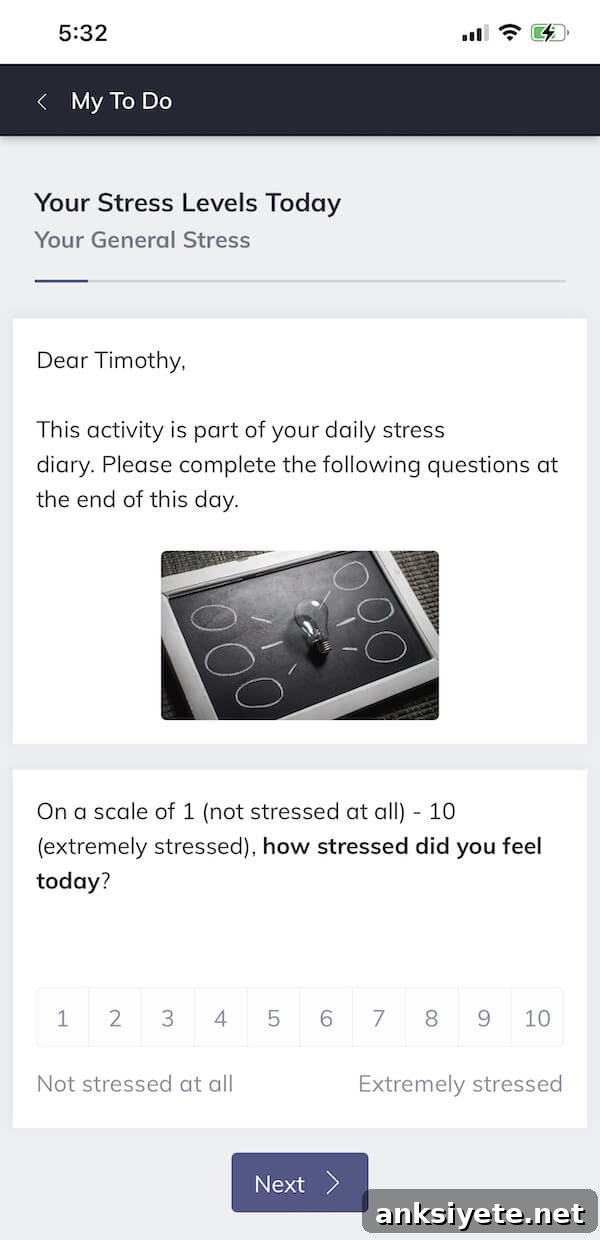
Templates to Streamline Homework
Adaptable templates—stress diaries, thought records, coping-mantra worksheets, and brief exposure logs—help clients complete useful practice without becoming overwhelmed. Schedule activities in short sequences, and use push reminders or email prompts for clients with memory or concentration difficulties.
A Take-Home Message
Homework is a core ingredient of effective CBT. Clear rationale, brief and achievable tasks, and consistent follow-up—supported by simple digital tools—boost completion and clinical impact. Design assignments that are relevant to each client’s goals, provide quick wins, and allow you to monitor progress so therapy can be adjusted responsively.
If you use digital delivery, ensure any platform complies with privacy and security standards for clinical data. When homework is collaborative, individualized, and visibly linked to progress, clients are more likely to engage and benefit.
For clinicians: consider building a small, reusable library of short, evidence-based worksheets and audio scripts you can personalize. Small, consistent practice between sessions often produces the biggest therapeutic gains.
- Bandura, A. (1989). Human agency in social cognitive theory. American Psychologist, 44(9), 1175–1184.
- Beutler, L. E., et al. (2004). Therapist variables. In M. J. Lambert (Ed.), Bergin and Garfield’s handbook of psychotherapy and behavior change (5th ed.), pp. 227–306. Wiley.
- Bouton, M. E. (1988). Context and ambiguity in the extinction of emotional learning: Implications for exposure therapy. Behaviour Research and Therapy, 26(2), 137–149.
- Franklin, M. E., Huppert, J. D., & Roth Ledley, D. (2005). Obsessions and compulsions. In N. Kazantzis et al. (Eds.), Using homework assignments in cognitive behavior therapy, pp. 219–236. Routledge.
- Garland, A., & Scott, J. (2005). Depression. In N. Kazantzis et al. (Eds.), Using homework assignments in cognitive behavior therapy, pp. 237–261. Routledge.
- Huppert, J. D., Roth Ledley, D., & Foa, E. B. (2006). The use of homework in behavior therapy for anxiety disorders. Journal of Psychotherapy Integration, 16(2), 128–139.
- Kazantzis, N. (2005). Introduction and overview. In N. Kazantzis et al. (Eds.), Using homework assignments in cognitive behavior therapy, pp. 1–6. Routledge.
- Kazantzis, N., Deane, F. P., & Ronan, K. R. (2000). Homework assignments in cognitive and behavioral therapy: A meta‐analysis. Clinical Psychology: Science and Practice, 7(2), 189–202.
- Kazantzis, N., & L’Abate, L. (2005). Theoretical foundations. In N. Kazantzis et al. (Eds.), Using homework assignments in cognitive behavior therapy, pp. 9–34. Routledge.
- Leahy, R. L. (2005). Panic, agoraphobia, and generalized anxiety. In N. Kazantzis et al. (Eds.), Using homework assignments in cognitive behavior therapy, pp. 193–218. Routledge.
- Staddon, J. E., & Cerutti, D. T. (2003). Operant conditioning. Annual Review of Psychology, 54(1), 115–144.