
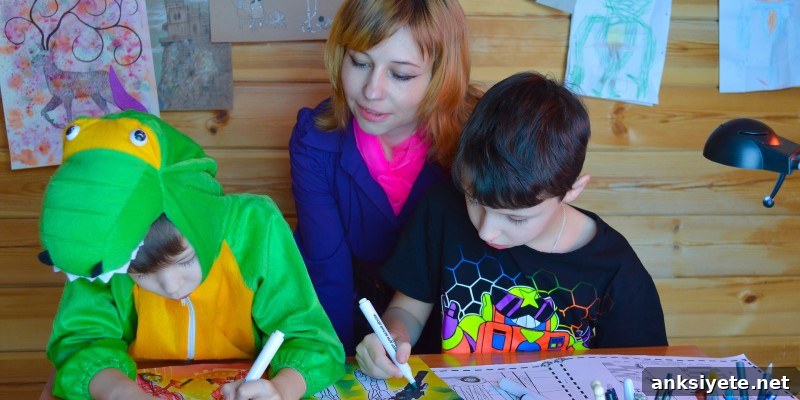
 School psychologists are among the most in-demand mental health professionals working in educational settings.
According to the U.S. Bureau of Labor Statistics (2021), employment for clinical, counseling, and school psychologists is projected to grow in the coming years, reflecting sustained need for mental health services within schools and communities.
If you are considering a career in school psychology, the sections below outline common training pathways, credentialing requirements in North America, and a curated selection of strong graduate programs and online options to help you plan your next steps.
This Article Contains:
- Requirements for School Psychologists
- 5 Best School Psychology Master’s & Doctorate Degrees
- Top 3 Programs & Certification Opportunities
- 3 Online Courses & Programs
- Helpful Resources
- A Take-Home Message
- References
Requirements for School Psychologists
Admission to graduate programs in school psychology typically requires a bachelor’s degree—often in psychology or a related field—with a competitive GPA. Many programs request standardized test results such as the GRE and will consider applicants’ relevant experience, letters of recommendation, and personal statements.
Graduate training in school psychology generally includes three core components:
- Coursework: Classroom instruction in psychological assessment, psychopathology, research methods, child development, and school-based interventions.
- Practicum and internship: Supervised field placements in schools, clinics, or community settings where students gain applied experience conducting assessments, consultations, and interventions.
- Research: Independent research leading to a thesis or dissertation for programs that award research degrees (MA, MS, PhD). Applied doctoral programs (PsyD) emphasize clinical training alongside research projects.
Titles and scopes of practice vary by jurisdiction. In many regions, graduates with a master’s-level degree work as psychological associates or school psychologists under supervision and may not be authorized to provide independent diagnoses. To obtain full licensure as a psychologist and the broadest scope of practice, a doctoral degree (PhD or PsyD) is often required.
Certification and licensure also require passing professional exams and meeting supervised practice hours. For example, in the United States some candidates pursue the Praxis exam and national certification through bodies such as the National Association of School Psychologists (NCSP); specific requirements vary by state or province, so check local regulations when planning your training.
5 Best School Psychology Master’s & Doctorate Degrees
 The following graduate programs are well-regarded options in North America for students seeking strong training in school psychology, combining rigorous coursework, supervised field experience, and research or applied practice.
1. Doctor of Philosophy in School Psychology (PhD), Indiana University–Bloomington, United States
This PhD program integrates research, theory, and extensive field experience. Typical completion time is five to six years and includes substantial practicum and internship hours to prepare graduates for school-based practice, assessment, and research. Coursework addresses areas such as autism spectrum disorders, school-based mental health, trauma, and equity in education.
2. Doctor of Philosophy in School Psychology (PhD), University of Wisconsin–Madison, United States
Designed to train specialists who serve children, families, and school communities, this program emphasizes applied methodology, diverse practicum placements (including campus clinics and community settings), and a substantial internship experience. The program holds APA accreditation and features a strong research-practice balance.
3. Doctor of Psychology (PsyD), William James College, Massachusetts, United States
This practitioner-focused doctorate prioritizes professional development and applied clinical competencies. William James College offers concentrations that allow students to focus on cultural and community mental health issues—such as African & Caribbean mental health, Latino mental health, or resilience in children and families—preparing graduates to work effectively with diverse student populations.
4. Doctor of Philosophy in School Psychology (PhD), University at Buffalo, State University of New York, United States
The combined school and counseling psychology degree gives graduates flexibility to work across educational and clinical settings. Students can complete practica in both school and clinical environments, broadening their clinical skill set and career options beyond strictly school-based roles.
5. Master of Psychology in School and Applied Child Psychology (MA), McGill University, Montreal, Canada
McGill’s MA prepares practitioners and researchers to support learning and mental health in school settings. The program emphasizes child development, assessment, motivation, and evidence-based strategies for supporting children and adolescents. McGill offers pathways to a PhD and holds accreditation recognized in Canada and internationally.
Top 3 Programs & Certification Opportunities
Below are three departments or programs known for strong training in child, school, and educational psychology, each offering paths toward certification or licensure in school-related practice.
1. Master of Education in Human Development Counseling (MEd), Vanderbilt University, Tennessee, United States
Vanderbilt’s programs in human development and counseling provide a solid foundation in developmental theory and counseling practice. Students can pursue licensure as school counselors or clinical mental health counselors, with online options and dual specializations available for qualifying students.
2. School and Applied Child Psychology, University of British Columbia, Vancouver, Canada
UBC’s School and Applied Child Psychology program emphasizes equity, social justice, and diverse perspectives in child development and mental health. Degree options include MEd, MA, and PhD pathways, with accreditation that supports professional practice in school settings.
3. Department of Applied Psychology and Human Development, Ontario Institute for Studies in Education (OISE), University of Toronto, Canada
OISE is known for research and graduate programs in child study, counseling and clinical psychology, developmental psychology, and school psychology. Graduates from accredited programs here are well positioned for careers in school psychology, counseling, and related educational roles.

Positive Psychology Toolkit
The Positive Psychology Toolkit offers a wide collection of evidence-based exercises and assessments designed for practitioners working with students—useful resources to complement school psychology practice.
3 Online Courses & Programs
 Online and hybrid programs expand access to graduate training in school psychology, but they often include in-person practica and intensive workshops to meet practicum and internship requirements.
1. MS & EdS in School Psychology (remote), Fort Hays State University, Kansas, United States
Fort Hays State offers a fully remote degree with one required on-campus workshop. The program includes multiple tracks and flexible pacing to accommodate working students, while preserving supervised practical experience components.
2. MA & EdS in Educational Psychology–School Psychometry (hybrid), University of Alabama, United States
This hybrid program combines online coursework with two in-person intensives, integrating psychometrics with applied school psychology training. It is structured to meet the needs of professionals seeking flexibility while maintaining opportunities for hands-on learning.
3. PsyD in School Psychology (remote), Capella University, United States
Capella’s online PsyD pathway delivers coursework and practicum planning for working professionals. While the program is not APA-accredited, it emphasizes assessment, consultation, and school-based practice and allows students to arrange placements close to their home communities.
Positive Education Exercises
A set of validated exercises can help educators and school psychologists integrate positive psychology practices into classrooms to boost student wellbeing and engagement.
Helpful Resources
Practitioners working with children in schools benefit from practical, evidence-based tools. Worksheets that increase emotional awareness and self-regulation—such as those that map internal feelings and outward behavior—are especially useful in school settings. Collections of validated exercises and structured interventions can support classroom-based prevention and targeted therapeutic work.
Look for resources that address emotional literacy, self-awareness, coping strategies, and teacher collaboration to ensure interventions are feasible within school systems.
A Take-Home Message
School psychology is a vital profession focused on supporting students’ mental health, learning, and social development. Training pathways vary by jurisdiction and by program, so prospective students should carefully review accreditation, practicum requirements, and licensure paths in the state or province where they intend to practice.
Consider your preferred learning format—on-campus, hybrid, or online—along with accreditation status and placement opportunities. Strong supervised practicum experiences and a good fit with faculty expertise can make a major difference in professional preparation.
References
- ETS. (n.d.a). GRE. Retrieved May 14, 2021, from https://www.ets.org/gre
- ETS. (n.d.b). Praxis: National Association of School Psychologists (NASP). Retrieved May 14, 2021, from https://www.ets.org/praxis/nasp/
- National Association of School Psychologists. (2021). NCSP eligibility. Retrieved May 14, 2021.
- Times Higher Education. (2021). World university rankings 2021. Retrieved May 14, 2021.
- U.S. Bureau of Labor Statistics. (2021). Occupational outlook handbook: Psychologists. Retrieved May 14, 2021.