
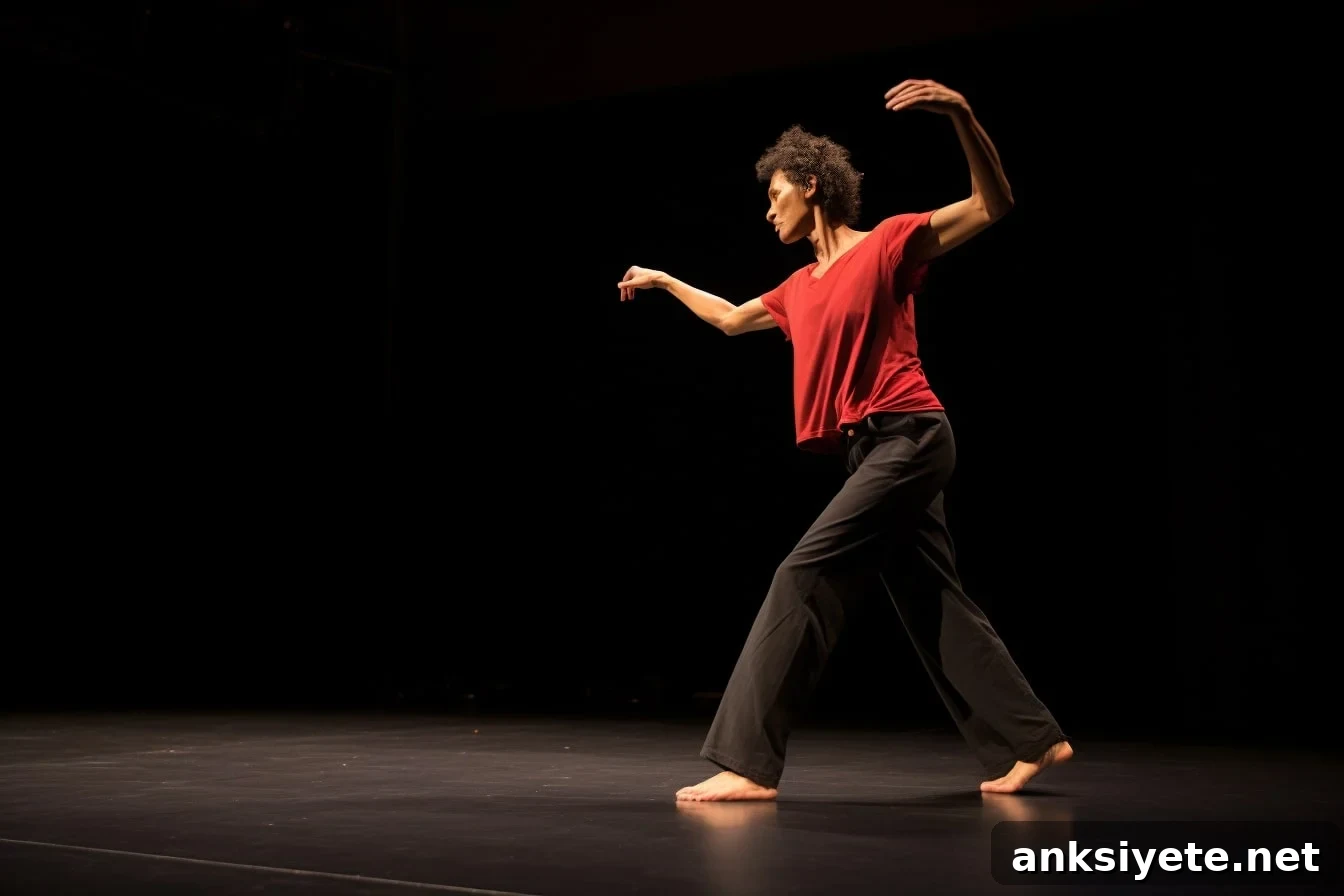
Summary: Dance provides people with Parkinson’s disease more than physical rehabilitation; it opens a path to renewed self-expression, stronger social bonds, and a redefined personal identity.
A recent joint study by the University of Eastern Finland and Balettakademien Stockholm shows that participating in a dance company has a measurable impact on how people with Parkinson’s negotiate their identities in relation to the disease. By performing together and taking part in company life, dancers describe forming a collective identity that allows their artistry to take precedence over the label of Parkinson’s.
This research highlights how artistic performance reshapes perceptions—both the way participants see themselves and how others see them—by emphasizing embodied expression and social belonging rather than clinical symptoms.
Key facts
- The study interviewed and surveyed eight dancers from the Swedish Kompani Parkinson dance company to explore how performance affects self-perception and group identity among people living with Parkinson’s disease.
- Previous research has shown that dance in class settings can improve balance, gait, and mobility in people with mild to moderate Parkinson’s; this new study shifts focus to dance as a performative art that shapes identity and social roles.
- Participants reported that the company environment fostered trust, acceptance, and peer support rooted in shared embodied expression rather than cognitive or physical ability alone.
Source: University of Eastern Finland
Performing together in a dance company supports a renewed sense of self for people with Parkinson’s disease
The research examined how performing with a professional company and taking part in rehearsals, performances, and related activities contribute to personal and group identity among dancers living with Parkinson’s. The experience of performing and being observed created new opportunities for self-expression and for being perceived in ways that were not defined by the disease.
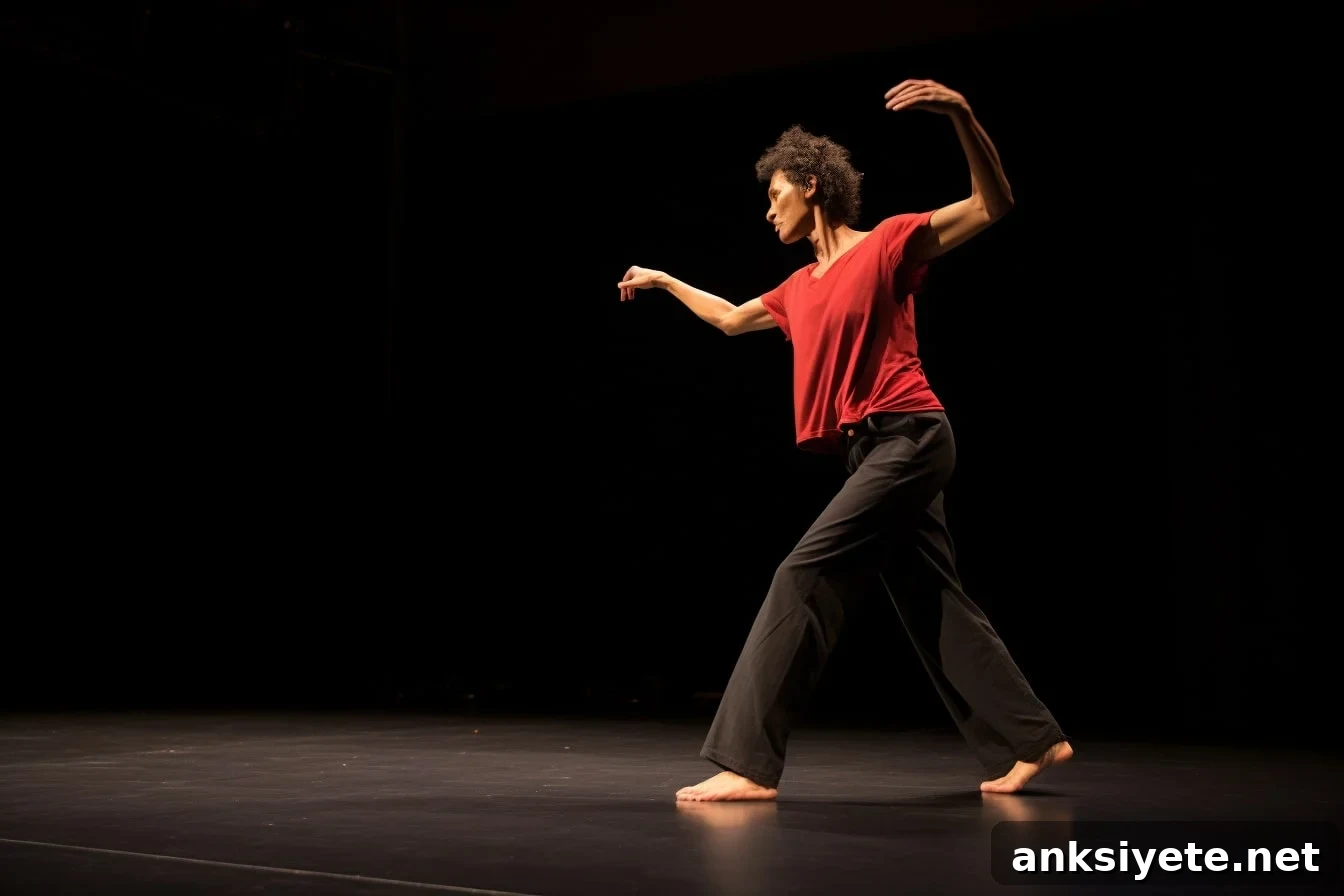
Many earlier studies have focused on dance classes as a therapeutic group activity for people with Parkinson’s, demonstrating improvements in balance, functional mobility, and social participation. These interventions have supported physical rehabilitation and helped participants remain engaged in social life. The current study, published in the Nordic Journal of Dance, builds on that evidence by exploring how dance functions as performative art and how performance contexts shape identity.
The research involved eight members of Kompani Parkinson, a Swedish company that produces performances nationally and internationally. Participants completed an online questionnaire and most joined a focus group interview to share detailed reflections on rehearsals, performance, and company life.
Respondents emphasized that cohesion, clear roles and responsibilities, mutual acceptance, and reliable peer support were central to the company’s functioning. They reported that belonging to the company gave them a group identity that made it easier to negotiate their personal identity in ways that emphasized artistry and shared creativity rather than medical diagnosis.
“The group offered trust and social support in a way that was not based on cognitive or physical ability, but on embodied expression. For the participants, this was something new and significant,” says Senior Researcher Hanna Pohjola of the University of Eastern Finland.
For these dancers, the company’s identity enabled an embodied identity centered on creative expression. While Parkinson’s places real limits on physical function, the dancers reported that their artistic practice did not feel limited by the disease. Being recognized as a dancer and an expressive performer allowed participants to grow, explore new capacities, and reframe how they saw themselves.
Performing as part of a group also changed how participants perceived their own potential. Many described feeling liberated by the freedom that performance and artistic collaboration offered: expressive capacity was experienced as less constrained than everyday functional limitations, and this freedom encouraged personal development and resilience.
This study was carried out within the Narrating through Dance in Life Fractures project, funded by the Kone Foundation. The project investigates the experiential and psychosocial impacts of dance during significant life transitions and challenging life circumstances.
About this Parkinson’s disease research news
Author: Maj Vuorre
Source: University of Eastern Finland
Contact: Maj Vuorre – University of Eastern Finland
Image: The image is credited to Neuroscience News
Original research: Open access. “Performing with Parkinson’s: Leaving traces” by Hanna Pohjola et al., Nordic Journal of Dance