
 Life changes, while often essential for our wellbeing, can feel like a leap of faith.
We aim to become more confident, less stressed, more assertive, and better able to manage anxiety. But how do we know whether those changes are actually working? How can we tell if our efforts are improving how we cope with life?
Biofeedback offers answers. By monitoring physiological signals, we gain objective information that helps us regulate and balance mental and physical wellbeing.
This article presents practical biofeedback techniques, stress- and relaxation-focused exercises, and tools that can support clinical and self-guided practice.
This Article Contains:
- Biofeedback Therapy: 7 Practical Techniques
- 4 Exercises for Your Sessions
- 3 Stress-Relief and Relaxation Activities
- Meditation, Yoga, and Breathing Exercises in Biofeedback
- 4 Helpful Apps and Games
- A Take-Home Message
- References
Biofeedback Therapy: 7 Practical Techniques
Feeling sad, angry, stressed, or anxious is normal. These emotions evolved to help us respond to threat and challenge. When those feelings become overwhelming or interfere with daily functioning, targeted change becomes necessary.
Therapists commonly offer clients evidence-based tools to regain control and guide change, such as breathing and relaxation techniques, mindfulness, visualization and positive self-talk, yoga, walks in nature, and goal setting. But how can we know objectively whether a treatment is effective? Biofeedback can provide that insight by increasing awareness of physiological states that accompany emotions.
What is biofeedback?
Self-regulation refers to monitoring psychological and physiological states and adapting behavior to suit circumstances. Biofeedback gathers measurable information about bodily processes—heart rate variability, muscle tension, skin conductance, temperature, and others—so you can learn to influence those processes. Greater interoceptive awareness and the ability to adjust autonomic activity can improve health and performance.
The aim of biofeedback is not just relaxation. As described in the literature, the goal is to increase the body’s ability to regulate itself and to optimize nervous system function.
Biofeedback modalities
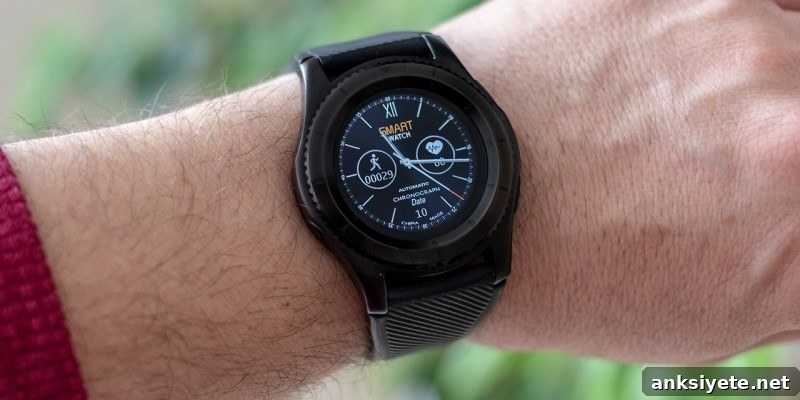
High-tech equipment can provide precise, immediate feedback, but basic tools like a heart rate variability app, a fitness watch, or a simple thermometer can also be effective. Even mindful observation of bodily sensations has value. Common biofeedback modalities include:
- Breathing
- Heart rate variability (HRV)
- Muscle tension (electromyography)
- Temperature
- Skin conductance
- Blood pressure
- Brain waves (EEG)
Why use biofeedback?
Biofeedback has broad applications. Research shows benefits for conditions such as asthma, anxiety, depression, irritable bowel syndrome, chronic pain, and some neurological conditions. It also enhances performance for athletes, performers, and professionals by improving decision-making, emotional regulation, memory, and focused behavior.
4 Exercises for Your Sessions
 Biofeedback practice requires time and, sometimes, specialist guidance. Interventions should be individualized, planned, and practiced regularly to produce measurable improvements.
Integrating biofeedback into a routine
Before beginning biofeedback training, consider four key decisions:
- Modality: Choose which physiological signal to measure based on the desired outcome and the equipment you have.
- Plan: Regular practice is essential. Daily sessions of about 20 minutes tend to be effective.
- Monitor: Decide how you will record progress and which measurement scales you will use. Consistent training over weeks typically reveals improvement.
- Training: Practice targeted techniques while tracking changes so you can learn what works.
Biofeedback complements medical treatment but does not replace it. For severe health concerns, consult a medical professional before starting.
Heart rate variability (HRV)
HRV measures the variation in time between heartbeats and is a marker of autonomic flexibility and self-regulation. The autonomic nervous system balances sympathetic (arousal/stress) and parasympathetic (recovery/relaxation) activity. HRV is influenced by breathing and can be trained to improve regulation.
HRV biofeedback uses paced breathing to rebalance the autonomic system. Training at an individual’s resonance frequency—typically between 4.5 and 7 breaths per minute—tends to produce the largest gains in HRV, mood, and blood pressure.
Finding your resonance frequency
- Set a breathing rate of 7 breaths per minute for two minutes and note average HRV.
- Repeat at 6.5, 6, 5.5, 5, and 4.5 breaths per minute, recording HRV each time.
- The breathing rate that produces the highest HRV is your resonance frequency.
Practice daily at that rate for several minutes. Reassess HRV every four weeks to chart improvement.
Temperature biofeedback
Poor peripheral temperature regulation—such as chronically cold hands—can reflect autonomic dysregulation. Training aims to reduce sympathetic activation and promote vasodilation by combining mindful attention with relaxed breathing.
Ways to increase finger temperature include:
- Low, slow breathing: Emphasize longer exhalations to engage the parasympathetic system (for example, 60% exhale, 40% inhale), and focus on breath rather than forcing warmth.
- Imagery: Visualize warm scenes—sun on the skin, a hot drink, or a warm bath—to evoke physiological warmth.
- Internal sensation: Imagine blood vessels dilating and warmth spreading through the limbs.
Measure temperature with a fingertip thermometer to track change over days and weeks.
Sleep and biofeedback
Chronic sleep deprivation impairs cognition, emotion regulation, and HRV. Prioritizing sleep—aiming toward seven to eight hours or identifying the amount that leaves you waking refreshed—supports autonomic recovery.
A mindful approach such as the FLARE method can complement HRV training to improve sleep:
- Feel: Notice difficult sensations or racing thoughts without judgment.
- Label: Name the experience (e.g., worry, sadness) to reduce its intensity.
- Allow: Accept the experience rather than struggling against it.
- Respond: Choose constructive actions aligned with your values (for example, practicing breathing exercises).
- Expand awareness: Broaden attention to include the whole sensory environment rather than fixating on sleeplessness.
3 Stress-Relief and Relaxation Activities
Practical, easy-to-apply activities that support stress relief and relaxation.
Reframing stress as excitement
Simply telling someone to “calm down” can be unhelpful. Research suggests reframing anxiety-related arousal (for example, before public speaking or an exam) as excitement can improve performance. Use the FLARE sequence focused on reframing:
- Feel: Notice sensations like a racing heart or quickened breath.
- Label: Call the state something adaptive—“excitement” or “I am ready.”
- Allow: Accept the sensations—your body is preparing you to act.
- Respond: Use slow, paced breathing at your resonance frequency to regulate arousal.
- Expand: Widen awareness to the whole situation and your capacities.
Muscle relaxation and microbreaks
Sustained postures at work can cause muscle tension, headaches, and repetitive strain. Small changes help:
- Microbreaks: Periodically loosen shoulders, shake hands, or change position every few minutes.
- Large movements: Stand, stretch, or walk briefly every 30 minutes to reduce accumulated tension.
Biofeedback using electromyography can highlight tension patterns, but you can begin with mindful awareness: identify a tense muscle, deliberately tense and release it, and observe the difference. Repeat daily to reduce baseline tension.
Mindfulness practice
Mindfulness strengthens the ability to manage background stress and remain prepared for challenge. Try mindful observing of anxious sensations, mindful walking to engage the senses, or short breath-awareness practices. These techniques act as nontechnical biofeedback by increasing interoceptive awareness and self-acceptance.
Free Positive Psychology Exercises (PDF)
Enhance wellbeing with science-based exercises that draw on positive psychology. A downloadable PDF with practical tools can support sessions and at-home practice.
Meditation, Yoga, and Breathing Exercises in Biofeedback
Yoga, meditation, and breathing practices are natural partners for biofeedback training. When combined with HRV or muscle monitoring, they provide measurable evidence of relaxation and reduced tension.
Yoga and biofeedback
Practice gentle yoga while breathing at your resonance frequency and notice changes in muscle tone and breathing patterns. If you have sensors, record HRV and muscle measures before and after sessions to track changes; otherwise, cultivate mindful observation of reduced tension.
Mindful breathing
Although “take a deep breath” is common advice, breathing is biochemically complex. Overbreathing (hyperventilation) can remove too much carbon dioxide, disrupting oxygen distribution and pH balance, while underbreathing can reduce oxygen availability. Signs of overbreathing include mouth breathing, frequent sighing, breathlessness while speaking, and frequent deep breaths.
Mindful breathing emphasizes gentle attention rather than forced inhalations:
- Sit or lie comfortably and notice the body’s contact with support.
- Bring attention to the breath without changing it initially.
- Notice sensations of inhalation and exhalation, then gently lengthen the exhale.
- When thoughts arise, acknowledge them and return to the breath with kindness.
- Start with a few minutes daily and increase gradually to 10 minutes or more.
4 Helpful Apps and Games
Digital tools can supplement biofeedback training, especially when they provide HRV guidance, breathing pacing, or sensor-based feedback.
1. eVu TPS
eVu TPS is a portable sensor system for monitoring HRV, skin conductance, and temperature. It can be used with a companion app to score responses to breathing exercises and biofeedback training.
2. Alive
Alive provides sensors and an integrated suite of games and coaching tools for HRV, breathing, temperature, and skin conductance training.
3. HRV4Training
HRV4Training uses a phone camera to estimate HRV and offers analytical tools to understand training and lifestyle stressors. Research-backed, it is widely used by athletes and coaches.
4. Breathe2Relax
Breathe2Relax offers guided breathing exercises and can be combined with wearable heart rate monitoring to observe the physiological impact of paced breathing.
A Take-Home Message
Biofeedback is a growing and practical field that helps therapists and clients make informed choices about self-regulation. As technology becomes more accessible, clinicians will have richer datasets to tailor interventions and measure progress.
Training control over autonomic processes—through HRV work, breathing, temperature training, and mindfulness—can alleviate symptoms and improve performance. Think of biofeedback as a training tool for the nervous system rather than a one-off treatment.
Use these techniques as a starting point to explore how biofeedback can increase awareness, guide positive change, and support lasting wellbeing for you and your clients.
- Brooks, A. W. (2014). Get excited: Reappraising pre-performance anxiety as excitement. Journal of Experimental Psychology: General, 143(3), 1144–1158.
- Csikszentmihalyi, M. (2016). Flow and the foundations of positive psychology: The collected works of Mihaly Csikszentmihalyi. Springer.
- Deschodt-Arsac, V., Lalanne, R., Spiluttini, B., Bertin, C., & Arsac, L. M. (2018). Effects of heart rate variability biofeedback training in athletes exposed to stress of university examinations. PLoS One, 13(7).
- Dobbin, A., Dobbin, J., Ross, S., Graham, C., & Ford, M. (2013). Randomised controlled trial of brief intervention with biofeedback and hypnotherapy in patients. The Journal of the Royal College of Physicians of Edinburgh, 43(1), 15–23.
- Khazan, I. Z. (2019). Biofeedback and mindfulness in everyday life: Practical solutions for improving your health and performance. W.W. Norton & Company.
- Killgore, W. D., & Weber, M. (2013). Sleep deprivation and cognitive performance. Sleep Deprivation and Disease, 209–229.
- Reynard, A., Gevirtz, R., Berlow, R., Brown, M., & Boutelle, K. (2011). Heart rate variability as a marker of self-regulation. Applied Psychophysiology and Biofeedback, 36(3), 209–215.
- Steffen, P. R., Austin, T., Debarros, A., & Brown, T. (2017). The impact of resonance frequency breathing on measures of heart rate variability, blood pressure, and mood. Frontiers in Public Health, 5.
- Thabrew, H., Ruppeldt, P., & Sollers, J. J. (2018). Systematic review of biofeedback interventions for addressing anxiety and depression in children and adolescents with long-term physical conditions. Applied Psychophysiology and Biofeedback, 43(3), 179–192.