Summary:
The 2026 Nobel Prize in Physiology or Medicine has been awarded jointly to Peter Hegemann, Georg Nagel, and Karl Deisseroth for developing optogenetics, a transformative method that uses light to control specific neurons in living brains with millisecond precision.
Hegemann and Nagel identified channelrhodopsin, a light-sensitive ion channel from the green alga Chlamydomonas reinhardtii. Deisseroth adapted and refined this protein so it could be expressed and used as a precise optical switch in mammalian neurons. Together their work moved neuroscience from correlative observation toward establishing direct causal links between defined neural circuits and behaviors, emotions, and disease states.
Key Facts:
- The Algal Discovery: Biophysicists Peter Hegemann and Georg Nagel discovered channelrhodopsin in the green alga Chlamydomonas reinhardtii, revealing a single protein that serves as a light-gated ion channel and produces electrical current in response to blue light.
- Engineering the Neural Switch: Karl Deisseroth introduced channelrhodopsin into mammalian neurons in 2005 and later demonstrated optical control of defined neural circuits in freely moving animals, establishing optogenetics as a tool for precise, time-resolved modulation of brain activity.
- Causal Neuroscience Revolution: Optogenetics gave researchers the ability to activate or silence genetically specified cell types with millisecond accuracy, enabling causal experiments that clarified mechanisms behind depression, Parkinson’s disease, fear, addiction, memory formation, and vision restoration.
Source: The Nobel Assembly at Karolinska Institutet
For more than a century, neuroscience faced a central limitation: scientists could record electrical activity and correlate it with behavior or apply blunt electrical stimulation that affected millions of cells at once, but they could not selectively control individual circuit elements to prove cause-and-effect. The brain’s functional map remained imprecise and often speculative.
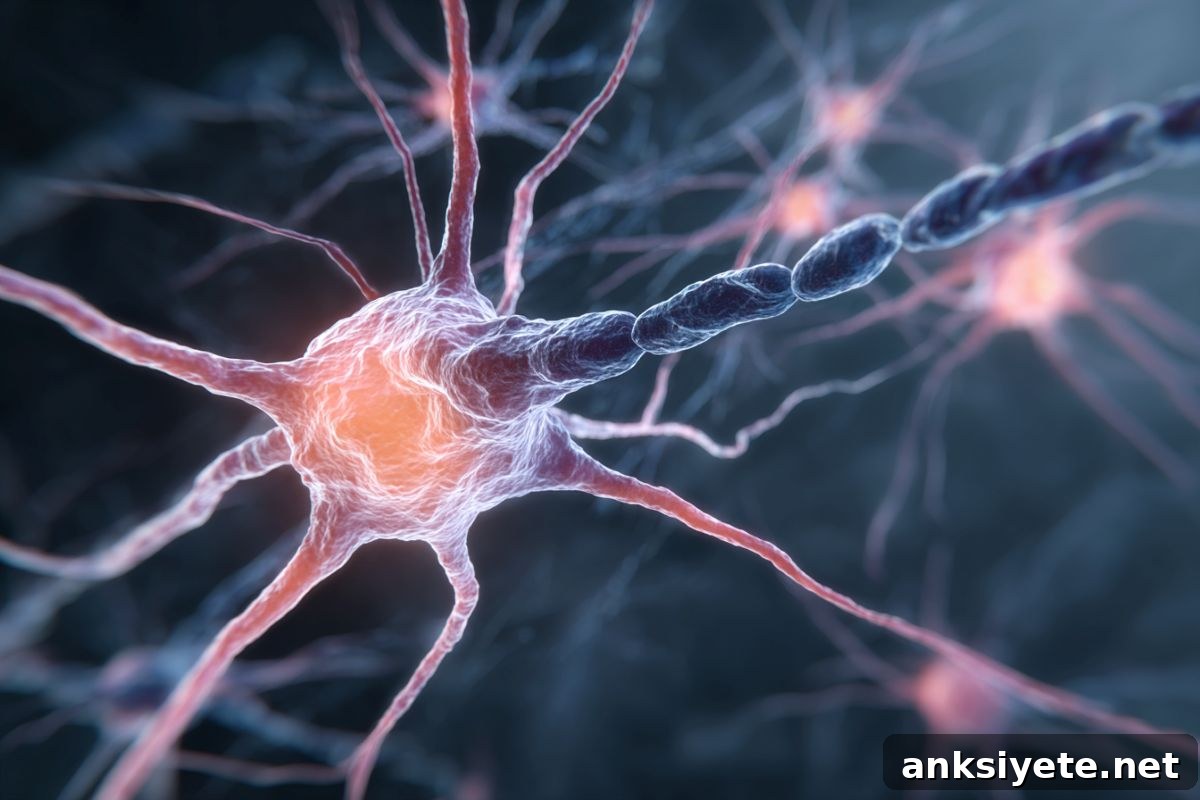
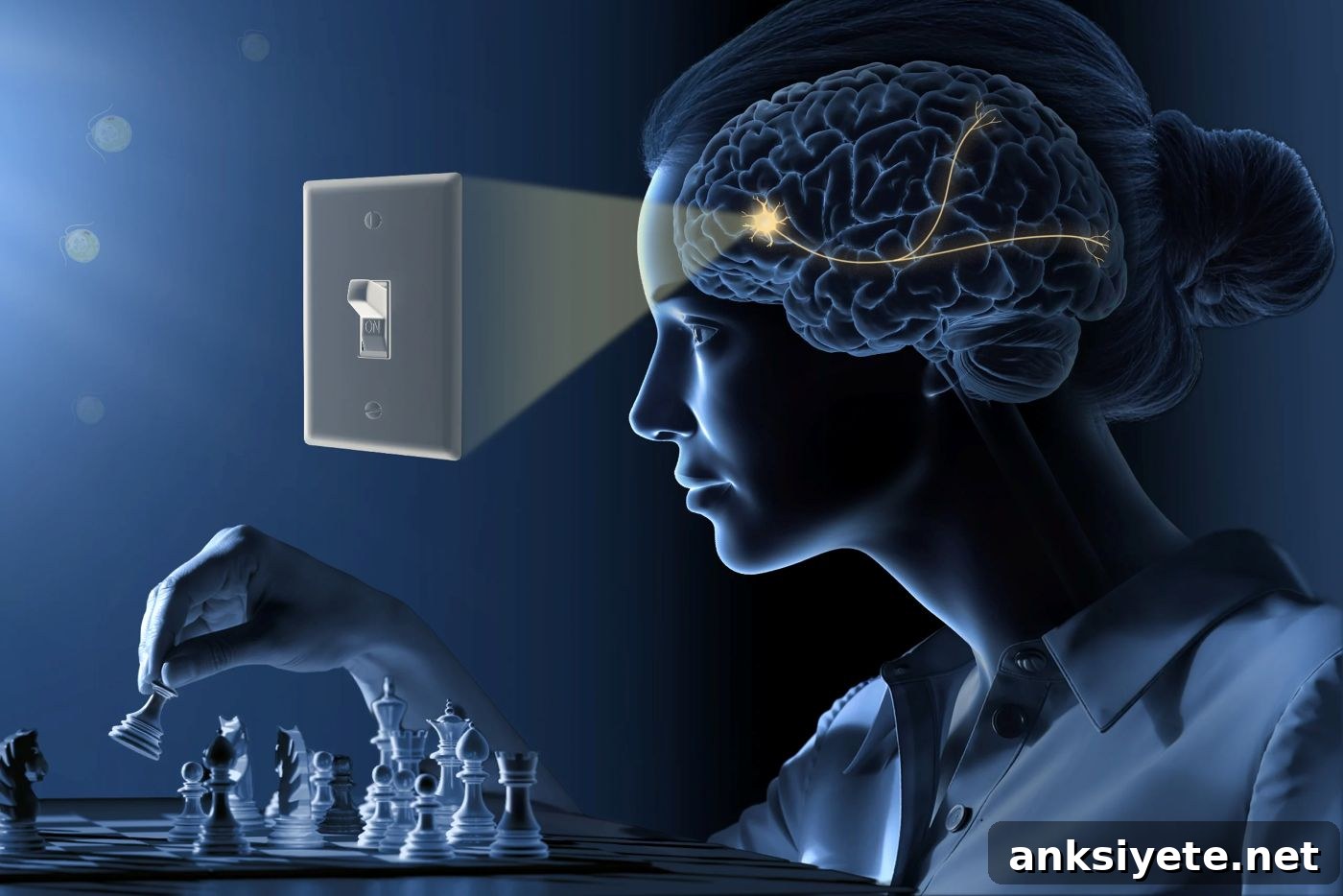
That changed with optogenetics, a cross-disciplinary technology that combines molecular genetics, biophysics, and optical engineering to control living neural circuits using pulses of light.
In recognition of this fundamental shift, the Nobel Assembly at Karolinska Institutet awarded the 2026 Nobel Prize in Physiology or Medicine to Peter Hegemann, Ph.D., Georg Nagel, Ph.D., and Karl Deisseroth, M.D., Ph.D., for their discovery of channelrhodopsin and the development of optogenetics.
“Optogenetics provides opportunities for mapping the brain in a way that we could once only dream of,” said Per Svenningsson, M.D., Ph.D., Chair of the Nobel Committee for Physiology or Medicine.
From Algal Phototaxis to Light-Gated Ion Channels
The pathway to optogenetics began in basic biophysics rather than in clinical neurology. Researchers studying how single-celled organisms sense and respond to light discovered a remarkably simple molecular mechanism in green algae.
Peter Hegemann in Germany investigated how Chlamydomonas reinhardtii detects light and swims toward it for photosynthesis. Working with Georg Nagel, he identified and characterized channelrhodopsins: seven-transmembrane proteins that directly couple light detection to ion conduction without the need for complex intracellular signaling cascades.
When channelrhodopsin absorbs blue light, the protein opens within milliseconds, allowing positively charged ions such as sodium and calcium to enter the cell and generate an electrical current. When expressed in non-algal cells, the protein conferred immediate light sensitivity, revealing its potential as a controllable actuator.
Transforming Algae Genes into Precision Neural Tools
Karl Deisseroth, a neuroscientist and bioengineer at Stanford University, recognized that the same ionic mechanisms underlie neuronal action potentials. He hypothesized that channelrhodopsin could be used to trigger neuronal firing if it could be safely introduced and expressed in mammalian neurons.
In 2005 Deisseroth’s team used viral vectors to deliver the genetic sequence for channelrhodopsin-2 into cultured rat neurons. Brief pulses of blue light reliably drove action potentials with millisecond timing, demonstrating optical control of neuronal excitability. By 2007, after further engineering of delivery methods and optical hardware, the team applied the approach in awake, freely moving animals. Using cell-type-specific promoters and fine optical fibers, they showed that light delivered to precise brain regions could elicit behaviors, alter emotional states, and modify memory recall.
Two Decades of Unprecedented Discovery
Optogenetics has dismantled longstanding mechanistic uncertainties across neurobiology, psychiatry, and neurology. Over the past twenty years, thousands of laboratories worldwide have applied optogenetic tools to map and manipulate the mammalian brain’s wiring with unprecedented specificity and temporal precision.
Major advances include:
- Psychiatric Pathways: Targeted light stimulation has identified the precise circuits that underlie symptoms such as anhedonia, compulsive drug seeking, and pathological fear responses by selectively activating or silencing distinct projection pathways.
- Movement Disorders: In Parkinson’s disease models, optogenetics clarified how different basal ganglia pathways influence motor control and why deep brain stimulation can be effective, pointing to more refined intervention targets.
- Memory Engrams: Scientists have labeled the sparse neuronal ensembles that store individual memories and demonstrated that reactivating those cells with light can recall, alter, or suppress specific memories.
- Clinical Translation: Translational efforts are underway that trace directly to this work. Gene therapy approaches expressing channelrhodopsins in surviving retinal cells are showing promise in restoring partial visual perception for patients with degenerative retinal disease.
By combining basic discoveries in algal biochemistry with advances in optical engineering and genetics, Hegemann, Nagel, and Deisseroth delivered a practical and powerful “light switch” for neural circuits, ushering in a new era of causal circuit neuroscience.
Questions & Answers
Optogenetics is a method that combines genetic targeting with optical control to modulate the electrical activity of specific cells—primarily neurons—using precisely timed light pulses in living tissue.
Channelrhodopsin is a light-gated ion channel first discovered in the green alga Chlamydomonas reinhardtii. It opens in response to blue light, allowing positively charged ions to enter and generate an electrical current.
Previous methods—pharmacology or electrical stimulation—affected many cell types at once and lacked the temporal precision of natural neuronal firing. Optogenetics enables selective control of defined neuron types with millisecond accuracy, allowing researchers to establish causal relationships between circuits and behavior.
The prize was awarded jointly to Peter Hegemann, Georg Nagel, and Karl Deisseroth for discovering algal channelrhodopsin proteins and developing optogenetic methods to control neural circuits in living brains.
Editorial Notes:
- This article was edited by a Neuroscience News editor.
- Additional context was provided by the editorial staff.
About this Neuroscience Research:
- Media Contact: Nobel Committee for Physiology or Medicine
- Source: The Nobel Assembly at Karolinska Institutet
- Image Credit: Image credited to The Nobel Committee for Physiology or Medicine. Illustration by Mattias Karlén