
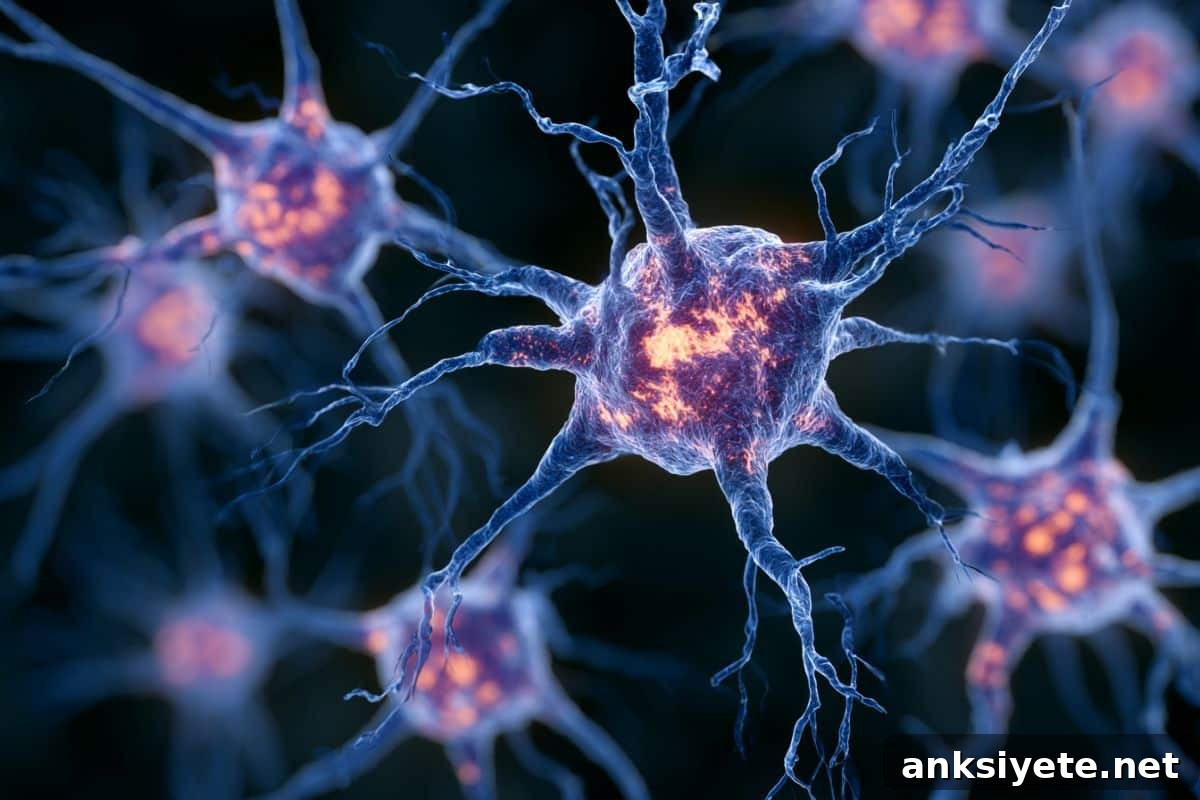
Summary: Researchers have developed an experimental small-molecule drug called XL20 that penetrates the blood–brain barrier and selectively protects neurons by binding a specific toxic region of the TDP-43 protein. By targeting this small, conserved segment, XL20 prevents harmful protein aggregation and neuronal death while preserving the protein’s normal cellular functions.
Key Facts
- The universal TDP-43 hallmark: Although fewer than 10% of amyotrophic lateral sclerosis (ALS) cases are inherited, and more than 90% arise sporadically, nearly all forms of ALS share a common pathological signature: the TDP-43 protein mislocalizes from the nucleus to the cytoplasm and forms toxic aggregates.
- A decade of precision mapping: Rather than attempting to eliminate TDP-43 entirely—which would be lethal—Dr. Xinglong Wang’s team spent ten years dissecting the protein and identified a single conserved region that drives toxicity across species. Blocking this region suppresses harmful activity while leaving the protein’s normal roles intact.
- XL20 crosses the blood–brain barrier: A key advance is that XL20 is brain-penetrant. It can reach central nervous system targets that most small molecules cannot, enabling direct interaction with TDP-43 inside neurons.
- Improved survival and preserved function in models: In mouse models, XL20 treatment extended median survival, preserved motor neurons, and reduced progressive muscle weakness.
- Rescue of human motor neurons in vitro: XL20 bound the target region in human induced pluripotent stem cell–derived motor neurons and reversed structural damage in laboratory experiments.
- Potential relevance beyond ALS: Abnormal TDP-43 aggregation is central to LATE (limbic-predominant age-related TDP-43 encephalopathy) and appears in more than half of Alzheimer’s disease autopsies. Targeting TDP-43’s toxic region could therefore have implications for multiple age-related neurodegenerative disorders.
Source: University of Arizona
Amyotrophic lateral sclerosis (ALS) came to broad public attention during the 2014 Ice Bucket Challenge, which raised awareness and funds for research. Yet despite that visibility, effective treatments remain limited.
Now, researchers at the University of Arizona report a promising experimental drug that appears to shield neurons from ALS-related damage. In studies using mice and human motor neurons derived from stem cells, the team showed that blocking a small portion of TDP-43 protects the specific nerve cells that ALS attacks.
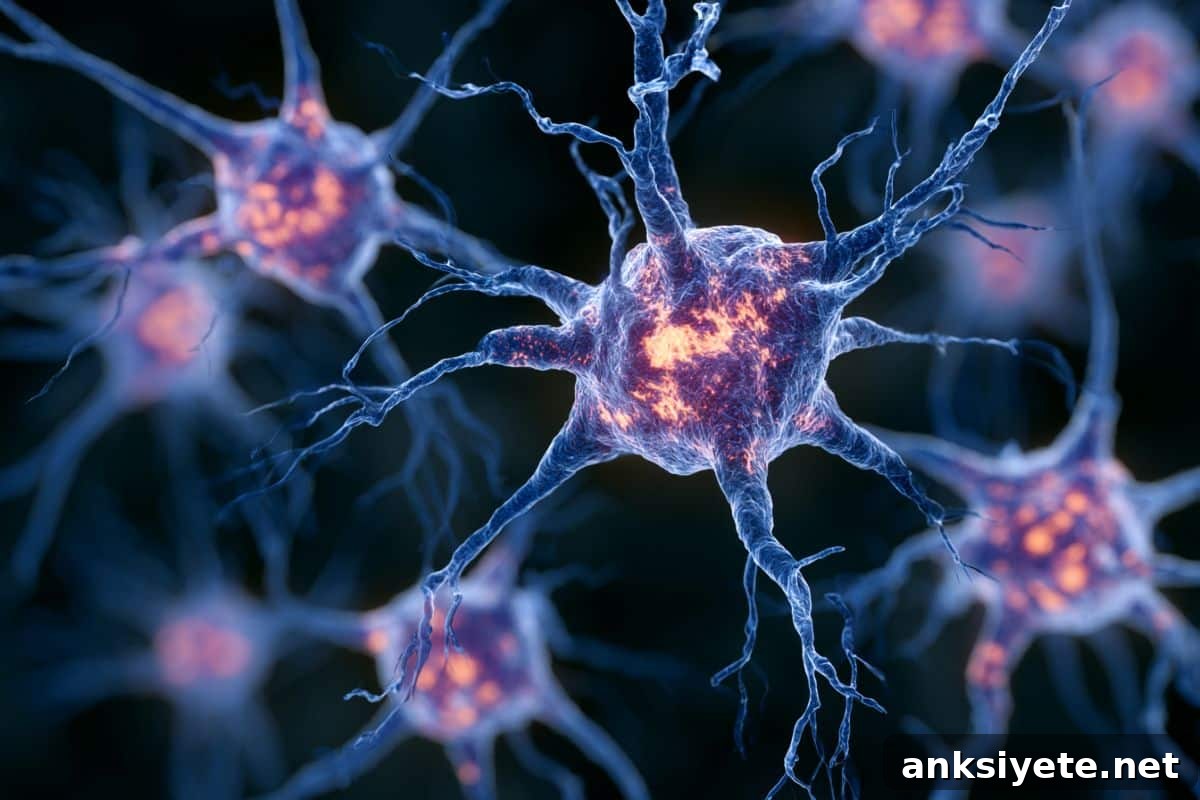
“Current FDA-approved therapies for ALS provide only modest benefit. There is an urgent need for a genuine breakthrough,” said Xinglong Wang, senior author of the study published in Nature Aging and a professor at the R. Ken Coit College of Pharmacy. First author Dr. Ju Gao is an assistant research professor at the same college.
ALS is challenging to treat in part because diagnosis often comes after substantial motor neuron loss. Early signs—such as weakness in a limb—typically appear only after significant spinal cord damage has already occurred. For the majority of patients, the root cause remains unknown: fewer than one in ten cases are linked to a known genetic mutation while most are sporadic. Still, almost all cases display the same molecular abnormality: TDP-43 mislocalizes from the nucleus and aggregates in the cytoplasm.
TDP-43 is a normal cellular protein required for healthy cell function. In disease, it becomes misfolded and forms sticky inclusions that impair neurons. Previous therapeutic strategies attempted broadly to clear aggregates or reduce overall TDP-43 levels, but those approaches risk disrupting essential cellular processes. Wang’s team instead asked whether a drug could neutralize only the harmful element of the protein without disturbing its normal roles.
The researchers identified a short α-helical conserved region within TDP-43 that is nearly identical from mice to humans and contains many disease-related mutations. Deleting this conserved region in mice greatly reduced TDP-43–induced neuronal death while preserving the protein’s normal functions—an outcome that required extensive validation over many years to ensure safety and stability.
Using structure-based virtual screening, the team discovered XL20, a small molecule that specifically binds the conserved region. Crucially, XL20 is brain-penetrant and does not impair TDP-43’s normal splicing activity. In animal studies, XL20 reduced motor neuron loss and extended survival in a TDP-43 mouse model. In human motor neurons derived from induced pluripotent stem cells, XL20 reversed cellular damage and improved neuronal function.
Mechanistic studies indicate that targeting the conserved region limits TDP-43 localization to mitochondria and restores mitochondrial function, likely by modulating phase separation properties of the protein. These effects underlie the observed neuroprotection and functional improvements.
Because XL20 directly targets a core driver of TDP-43 toxicity and has demonstrated effects in human cells, the researchers consider it a strong candidate for further clinical development. Earlier intervention after symptom onset could offer a greater window to slow progression, the authors note.
Beyond ALS, targeting this conserved TDP-43 region could affect other neurodegenerative conditions where TDP-43 pathology contributes to decline—most notably LATE, a common age-related dementia, and many Alzheimer’s disease cases in which TDP-43 aggregates are associated with more rapid cognitive loss.
“The same TDP-43 pathology is implicated across several neurodegenerative diseases,” Wang said. “If future studies confirm this strategy’s benefit in those disorders, the approach could ultimately help a much larger patient population.”
Key Questions Answered:
A: Two main barriers have hampered progress: late diagnosis and the brain’s protective blood–brain barrier. ALS is often identified only after substantial, irreversible motor neuron loss, and most experimental drugs cannot cross the blood–brain barrier to reach affected neurons. XL20’s ability to penetrate that barrier and directly engage TDP-43 in living neurons is a key advance.
A: TDP-43 is a normal, essential protein that can become toxic when it mislocalizes and aggregates. Previous attempts to eliminate TDP-43 harmed healthy cells because the protein is necessary for normal function. Wang’s team identified a small, disease-driving region of TDP-43; XL20 selectively caps that region, stopping aggregation while leaving the rest of the protein free to perform its normal roles.
A: Potentially yes. TDP-43 pathology underlies LATE, a widespread dementia in older adults, and appears in many Alzheimer’s cases where it worsens cognitive decline. Because XL20 targets the core mechanism of TDP-43 aggregation, it may have broader therapeutic relevance pending further research.
Editorial Notes:
- This article was edited by a Neuroscience News editor.
- The full journal paper was reviewed.
- Additional context was added by editorial staff.
About this ALS and neuropharmacology research news
Author: Niranjana Sahasranamam Rajalakshmi
Source: University of Arizona
Contact: Niranjana Sahasranamam Rajalakshmi – University of Arizona
Image: Image credited to Neuroscience News
Original Research: Open access. “Therapeutic targeting of the conserved region within the low-complexity domain of TDP-43 is neuroprotective and extends survival in amyotrophic lateral sclerosis mice” by Ju Gao et al., published in Nature Aging. DOI: 10.1038/s43587-026-01166-3
Abstract
Therapeutic targeting of the conserved region within the low-complexity domain of TDP-43 is neuroprotective and extends survival in amyotrophic lateral sclerosis mice
Autosomal dominant mutations in TARDBP, which encodes TAR DNA-binding protein 43 (TDP-43), cause ALS, and TDP-43 pathology is a hallmark of multiple age-associated neurodegenerative disorders. Effective therapies have been limited by the absence of safe, potent molecules that specifically counter TDP-43 neurotoxicity.
This study demonstrates that the conserved α-helical region spanning residues 320–340 (the conserved region or CR) is a therapeutically actionable target. Deleting CR strongly suppressed TDP-43–induced neuronal death.
Structure-based virtual screening identified XL20, a brain-penetrant small molecule that engages CR and provides neuroprotection without disrupting TDP-43 splicing activity. XL20 reduced motor neuron loss and extended survival in a TDP-43 p.Ala315Thr ALS mouse model and improved function in p.Gln331Lys iPSC-derived human ALS motor neurons.
Mechanistically, targeting CR limited TDP-43 mitochondrial localization and restored mitochondrial function, likely by influencing liquid–liquid phase separation. These results position the conserved region as a promising therapeutic target for TDP-43–associated neurodegeneration and support CR-binding small molecules as candidate therapies.