
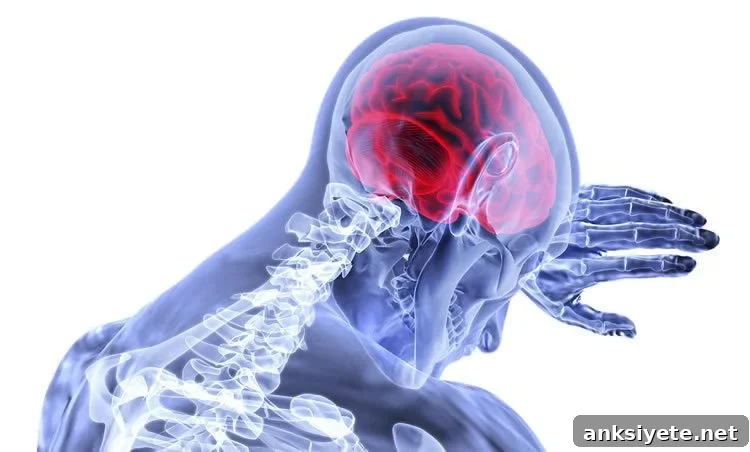
Men and Women Remember Pain Differently: A Translational Study
Summary: A new translational study finds that males appear to recall painful experiences more strongly than females, producing stress and increased sensitivity when re-exposed to the same context. In mice, blocking memory formation with ZIP eliminated the effect. These findings suggest that the memory of pain can influence chronic pain and point to potential new treatment directions.
Source: McGill University.
Background and significance
Chronic pain is among the leading health challenges worldwide in both prevalence and burden. Increasing evidence suggests that the memory of earlier painful events can play a major role in whether acute pain becomes persistent. A new study, led by researchers at McGill University and the University of Toronto Mississauga and published in Current Biology, examined whether pain memory differs between sexes and whether those differences are conserved across species.
Key findings
The team found a striking, sex-specific effect: both male humans and male mice showed increased sensitivity to a mild thermal stimulus when tested in the same environment where they had previously experienced a prolonged, aversive pain. Female subjects did not show the same context-dependent increase in sensitivity. In mice, disrupting memory formation eliminated the conditioned pain hypersensitivity in males.
Study design: humans and mice
Researchers developed parallel paradigms for humans and mice to measure context-dependent pain sensitivity. Human participants were young adults (41 men and 38 women, ages 18–40). Each subject was exposed to an initial low-level heat stimulus in a particular test room and asked to rate pain on a 0–100 scale. Immediately afterward they experienced an intense, sustained painful stimulus meant to form a clear association with that room: participants wore a tightly inflated blood pressure cuff and exercised their arms for 20 minutes, a procedure many rated as very painful. Mice underwent a comparable two-stage experience: a brief heat stimulus to the hind paw followed by an injection of a dilute irritant (vinegar) that produced a short-lasting visceral pain.
On the following day, subjects were tested again with the same low-level heat stimulus either in the same room or in a different, neutral environment. Male humans rated the heat as more painful when tested in the same room where they had previously endured the intense pain; female humans did not. Male mice returned to the original testing container also showed an amplified withdrawal response to the heat, whereas female mice did not and mice placed in a different container showed no increase.
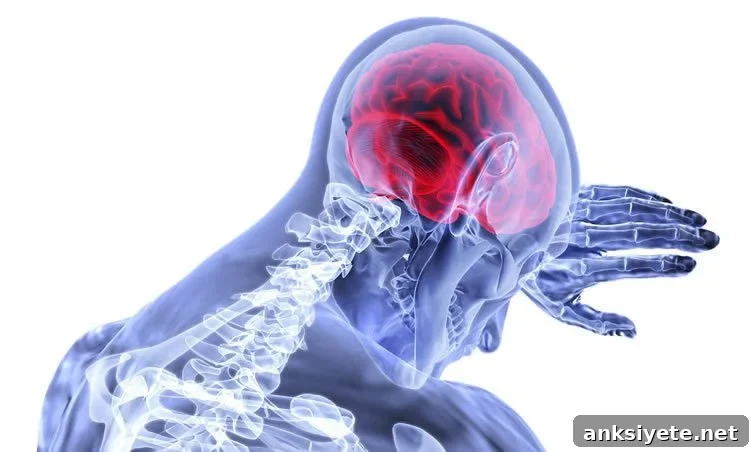
Memory manipulation: ZIP eliminates the effect in male mice
To test whether memory was responsible for the increased sensitivity, the researchers interfered with memory consolidation in male mice by delivering zeta inhibitory peptide (ZIP) into the brain. ZIP is known to disrupt certain memory-related kinases and can block consolidated memory. Male mice that received ZIP before the painful conditioning did not show the conditioned increase in pain sensitivity when re-exposed to the context, supporting the interpretation that recalled memory underlies the heightened response.
Additional mechanistic observations
In the animal experiments the study also observed that blocking stress-axis signaling or altering male hormonal status removed the conditioned pain effect: castration of male mice and pharmacological blockade of the hypothalamic-pituitary-adrenal (HPA) axis reduced context-dependent pain hypersensitivity. These manipulations further link the phenomenon to stress and memory systems.
Implications for chronic pain
The authors argue that these results support the idea that remembered pain—how strongly an earlier painful episode is stored and later recalled—can shape future pain sensitivity and may contribute to the persistence of pain. If memory and stress mechanisms drive pain chronification in some patients, interventions targeting those mechanisms could offer new therapeutic strategies. The translational design of the study, showing parallel effects in mice and humans, strengthens the potential relevance for clinical research and treatment development.
Funding and acknowledgments
The research received support from the Canadian Institutes of Health Research (CIHR), the Natural Sciences and Engineering Research Council of Canada (NSERC), the Canadian Pain Society/Pfizer Early Career Investigator Pain Research Grant, the Louise and Alan Edwards Foundation, Brain Canada, and the Canada Research Chairs Program.
Abstract (condensed)
Researchers developed context-dependent pain paradigms in mice and humans and found that both species show increased acute thermal pain sensitivity when retested in an environment previously associated with an aversive, prolonged pain experience. This sensitization lasted at least 24 hours and was restricted to males in both species. In mice, the effect was abolished by castration, HPA axis blockade, or injection of ZIP to disrupt memory-related kinases. In humans, men reported higher stress when tested in the pain-associated room. These findings establish a translational model for studying how memory, stress, and pain interact.
This summary is based on reporting of a published study by researchers affiliated with McGill University and the University of Toronto Mississauga. The research included both human volunteers and rodent experiments and highlights sex differences in conditioned pain hypersensitivity and the role of memory and stress systems in mediating that effect.