
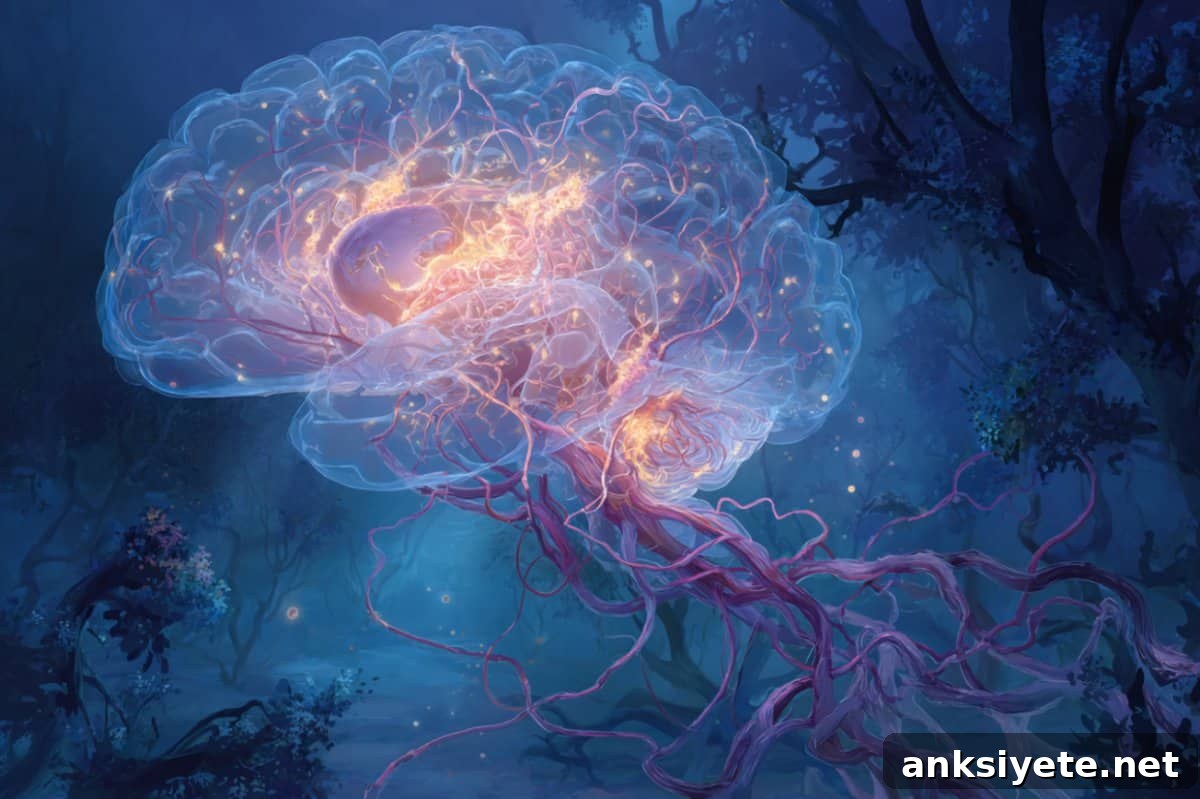
Summary: Recent research highlights how certain parasitic infections can alter brain chemistry and behavior in humans. Parasites such as Toxoplasma gondii influence neurotransmitter systems and immune signaling, and have been associated with increased risk-taking, impulsivity, and aggression in some studies.
These behavioral shifts may benefit the parasite by promoting actions that increase its chances of survival and transmission. The findings prompt important questions about the role of infections in mental health, violent behavior, and personality variation across populations.
Key Facts:
- Neurochemical manipulation: Parasites such as T. gondii can influence dopamine production and other neurotransmitter pathways, which are linked to changes in risk-taking and impulsivity.
- Behavioral impact: Evidence associates some infections with higher rates of aggression, impulsive decisions, and increased likelihood of risky sexual behavior in certain individuals.
- Public health relevance: Because some infections are common in human populations, even subtle behavioral effects could have broad social and clinical implications.
Source: Neuroscience News
Parasitic infections are more than a hygiene issue — they can affect how people think, feel, and act.
A growing body of work documents how several parasites appear to interact with the nervous system and immune responses to alter host behavior. The protozoan Toxoplasma gondii, carried by cats and commonly found in humans worldwide, is one of the best-studied examples. Research in animals shows it can remove rodents’ innate fear of feline predators, a change that helps the parasite reach its definitive host. Emerging human studies suggest more subtle impacts that may include shifts in personality traits and decision-making.
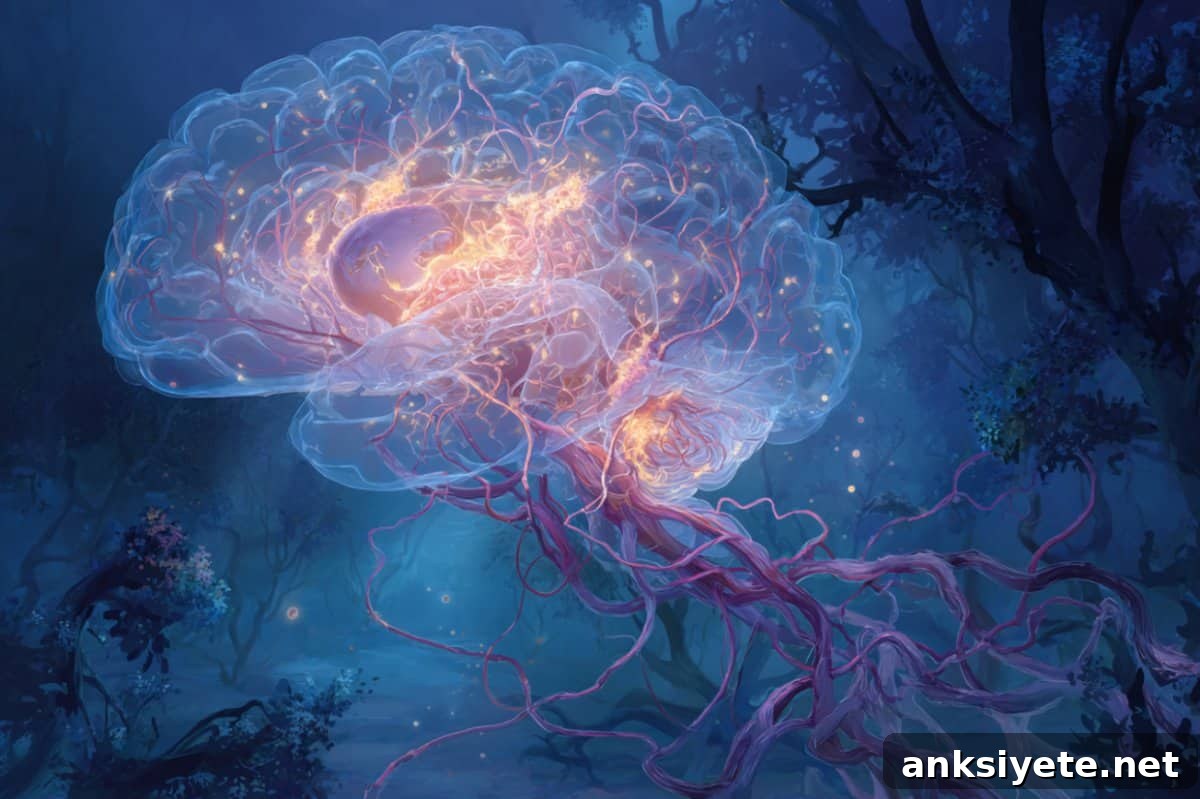
Scientists are beginning to map the biological mechanisms behind these associations. In the case of T. gondii, laboratory studies indicate the parasite can increase dopamine synthesis in infected neurons by expressing enzymes related to dopamine production. This direct modulation of neurotransmitters, together with changes in local brain inflammation and immune signaling, provides a plausible pathway for altered impulsivity and risk-related behaviors.
Other infectious agents, including Trypanosoma brucei, Bartonella henselae, and malaria parasites in the genus Plasmodium, have also been linked to neuropsychiatric symptoms and behavioral changes in affected hosts. Some parasites form cysts or persistent infections in the central nervous system, which can disrupt circuits that govern emotion, social behavior, and decision-making.
The potential consequences are wide-ranging. At the clinical level, infection-related changes in neurotransmission and neuroimmune function could contribute to mood disorders, psychosis, or increased suicidal risk in vulnerable individuals. At the population level, when a common infection subtly shifts tendencies toward risk-taking or aggression, the aggregate effects could influence public health and social dynamics.
These findings do not imply that infection is the sole or primary cause of complex behaviors. Genetics, environment, upbringing, and social context remain central drivers of personality and mental health. Rather, parasitic infections may represent an additional, biologically plausible factor that interacts with other influences to shape behavior in some people.
From a public health perspective, this research points to practical areas for prevention and intervention: reducing exposure risks (for example, safe handling of raw meat and careful management of cat litter), improving screening and diagnosis of chronic infections, and developing therapeutic strategies that address both infection and its neurobiological effects. Ongoing research into vaccines, antiparasitic treatments, and neuroimmune modulators may also help mitigate behavioral impacts.
As neuroscience and infectious disease research advance, interdisciplinary studies will be essential to determine how common and how clinically significant these behavioral effects are, and to translate findings into policy and treatment. In considering the roots of risky, impulsive, or violent behavior, researchers and clinicians may increasingly recognize infections as one of many interacting biological contributors.
About this neuroscience and personality research news
Author: Neuroscience News Communications
Source: Neuroscience News
Contact: Neuroscience News Communications – Neuroscience News
Image credit: Neuroscience News
Original Research: Open access. “Sexually aggressive behavior triggered by parasitic infection – how parasites can influence our personality” by Marco Goczol. Frontiers in Psychiatry.
Abstract
Sexually aggressive behavior triggered by parasitic infection – how parasites can influence our personality
Parasitic infections can have psychological and behavioral consequences in addition to physical health effects. Research indicates that some parasites are capable of altering personality traits and behaviors in infected hosts. This paper examines evidence linking parasitic infection to increased sexually aggressive behavior and reviews mechanisms by which parasites may affect the nervous system and behavior. The goal is to raise awareness of the psychological dimensions of parasitic disease and to encourage further interdisciplinary research.