
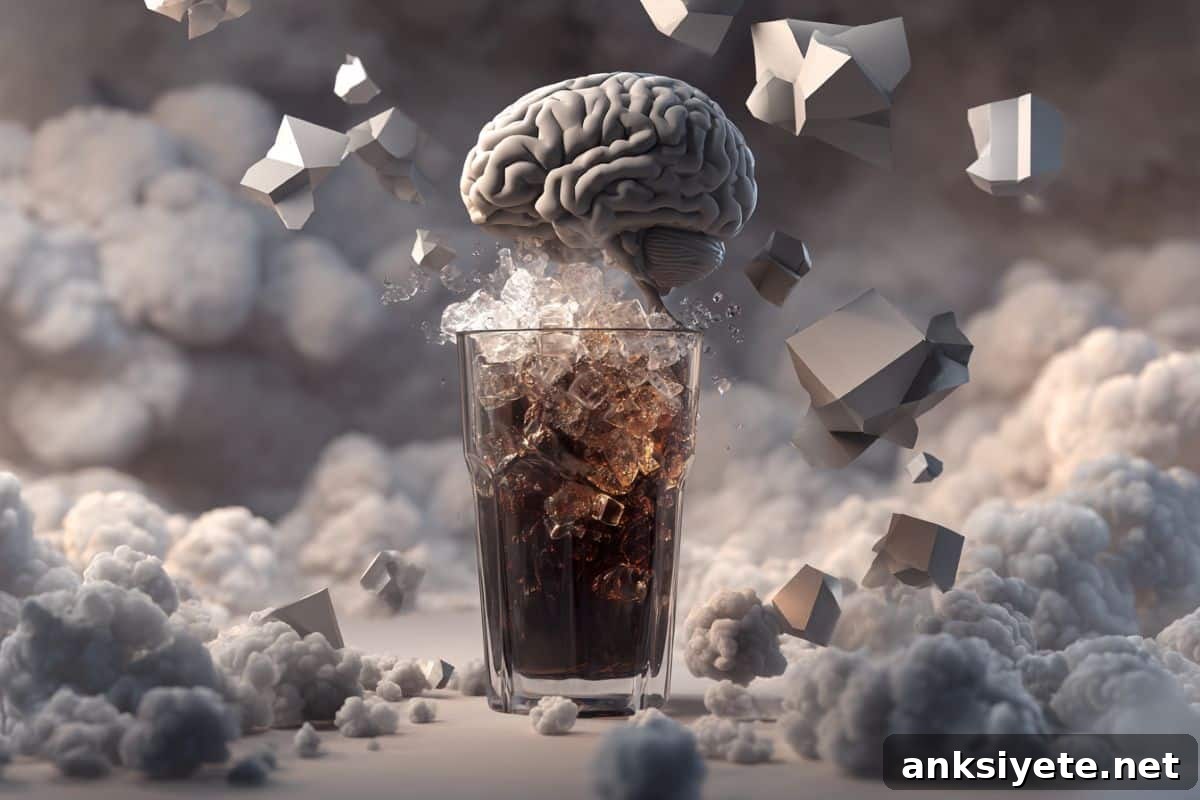
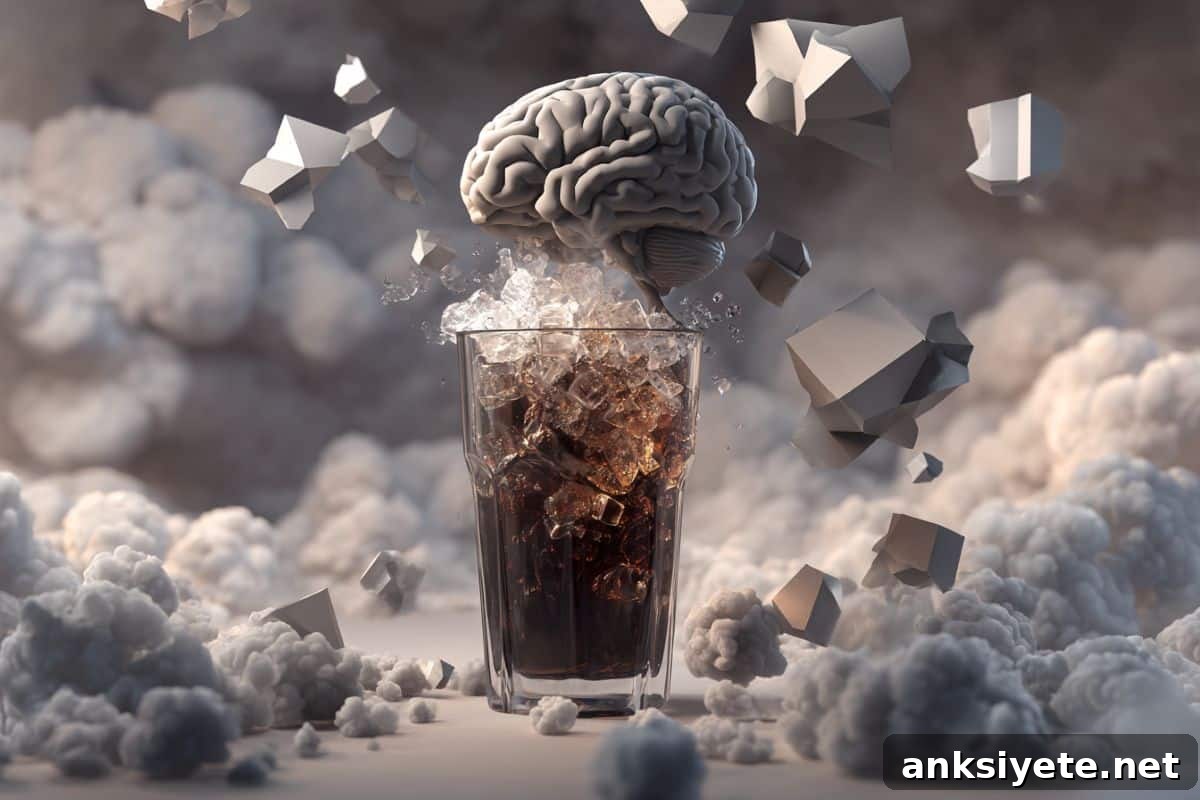
Summary: Public health campaigns often emphasize the physical harms of high-sugar diets—such as obesity and type 2 diabetes—but the effects on mental health have received less attention. A new systematic review and meta-analysis now reports a consistent association between high consumption of sugar-sweetened beverages (SSBs) and symptoms of anxiety in adolescents.
Researchers reviewed multiple observational studies and found that energy-dense, nutrient-poor drinks — including sodas, energy drinks, sweetened juices, flavored milks, and sugary coffees and teas — are repeatedly linked with higher levels of anxiety symptoms among young people. While the evidence does not establish a direct causal relationship, the findings highlight diet as a plausible, modifiable factor in the rising burden of adolescent anxiety.
Key Facts
- Sugar–anxiety association: The meta-analysis identified a consistent connection between higher intake of sugary drinks and increased anxiety symptoms in teenagers.
- Wide range of beverages: The SSB category covered carbonated soft drinks, energy drinks, sweetened fruit juices and squashes, flavored milks, and sugar-sweetened hot drinks.
- Mental as well as physical health: Authors emphasize that dietary influences on mental health deserve attention alongside well-known physical risks of high-sugar consumption.
- Growing public health concern: With anxiety affecting roughly one in five children and young people in recent estimates, identifying changeable lifestyle factors such as beverage choices is a public health priority.
- Correlation, not proof of cause: The researchers caution that existing studies are mostly observational, so it remains unclear whether sugary drinks cause anxiety, whether anxious young people consume more sugary drinks, or whether other shared factors underlie both.
Source: Bournemouth University
New findings link high-sugar drinks to anxiety symptoms in adolescents.
A team including researchers from Bournemouth University examined published studies that measured young people’s consumption of sugar-sweetened beverages and assessed mental health outcomes. Their synthesis of results appears in the Journal of Human Nutrition and Dietetics and focuses specifically on anxiety symptoms and disorders during adolescence — a sensitive period for mental health development.
Dr Chloe Casey, Lecturer in Nutrition and co-author of the study, notes that public health efforts have typically focused on weight and metabolic disease when addressing poor dietary habits. “The mental health consequences of diet have been comparatively underexplored, particularly for beverages that deliver energy but little nutritional value,” she said.
The included studies gathered data using surveys that asked adolescents about their typical intake of sugary drinks and screened or measured anxiety symptoms. Across studies, higher reported SSB consumption was repeatedly associated with more anxiety symptoms. That pattern emerged in multiple cross-sectional analyses and was also reflected, to a smaller extent, in the limited number of longitudinal studies which followed young people over time.
Because the underlying studies are mainly observational, the authors stress caution in interpreting these relationships as causal. It is feasible that anxiety leads some adolescents to consume more sugary beverages as a coping or comfort behavior, or that both higher SSB intake and anxiety are driven by shared social or lifestyle factors — for example, disrupted sleep, family stress, or broader diet quality.
“Although we cannot yet prove a direct causal pathway, this review identifies an unhealthy pattern linking sugary drink consumption and anxiety in adolescents,” Dr Casey said. “Given the sharp rise in anxiety disorders during adolescence, identifying modifiable habits such as beverage choices could help guide public health and clinical strategies aimed at reducing risk.”
The review was led by Dr Karim Khaled, a former Bournemouth University PhD student now at Lebanese American University, Beirut.
Key Questions Answered:
A: The study identifies a clear association but does not prove that soda directly causes anxiety. It may be bidirectional: sugar could influence brain function and stress levels, or anxious adolescents might be more likely to choose sugary drinks for comfort.
A: Energy drinks and sodas were both included in the high-sugar category. Energy drinks often contain caffeine as well as sugar, and caffeine can intensify physical symptoms that resemble or worsen anxiety, such as rapid heartbeat and jitteriness.
A: Reducing adolescents’ access to and consumption of sugary beverages is a practical, manageable step families can take. While more research is needed to establish causality, lowering SSB intake may be a useful component of broader strategies to support young people’s mental health.
Editorial Notes:
- This article was edited by a Neuroscience News editor.
- The full journal paper was reviewed in preparing this summary.
- Additional context was provided by editorial staff for clarity and public understanding.
About this anxiety and diet research news
Author: Steve Bates
Source: Bournemouth University
Contact: Steve Bates – Bournemouth University
Image: The image is credited to Neuroscience News
Original Research: Open access. “Sugar-Sweetened Beverage Consumption and Anxiety Disorders in Adolescents: A Systematic Review and Meta-Analysis” by Karim Khaled, Nathalie Abdulbaki, Orouba Almilaji, Chloe Casey, Fotini Tsofliou. Journal of Human Nutrition and Dietetics. DOI: 10.1111/jhn.70217
Abstract
Sugar-Sweetened Beverage Consumption and Anxiety Disorders in Adolescents: A Systematic Review and Meta-Analysis
Background
Adolescence is a pivotal time for emotional and psychological development, and anxiety disorders are becoming more common in this age group. Sugar-sweetened beverages (SSBs) have been suggested as a possible dietary contributor to mental health outcomes. This systematic review aimed to evaluate and synthesise existing research on the association between SSB intake and anxiety disorders or symptoms in adolescents.
Methods
The authors performed a systematic search across major electronic databases for studies published between 2000 and 2025 that reported both SSB consumption and anxiety outcomes in adolescent populations. Data were extracted on beverage intake and anxiety measures, and study quality was assessed using an established risk-of-bias tool for non-randomised exposure studies. A random-effects meta-analysis estimated pooled odds ratios (ORs) for anxiety disorders where binary outcomes were reported.
Results
Nine studies met inclusion criteria: seven cross-sectional and two longitudinal. Seven of the nine studies reported a significant positive association between higher SSB consumption and anxiety symptoms or disorders; two studies found no significant link. The longitudinal studies observed small but persistent associations over one year. The random-effects meta-analysis of studies reporting anxiety as a binary outcome found that higher sugar-sweetened beverage consumption was associated with increased odds of anxiety disorders (OR: 1.34, 95% CI: 1.14–1.59).
Conclusion
Because most evidence comes from observational research, the reported relationships should be interpreted as associations rather than proof of causation. Nonetheless, these findings suggest that reducing SSB intake may be a practical component of public health and clinical approaches aimed at curbing the rising prevalence of anxiety disorders in adolescents. Further longitudinal and experimental studies are needed to clarify causal pathways and inform targeted interventions.