
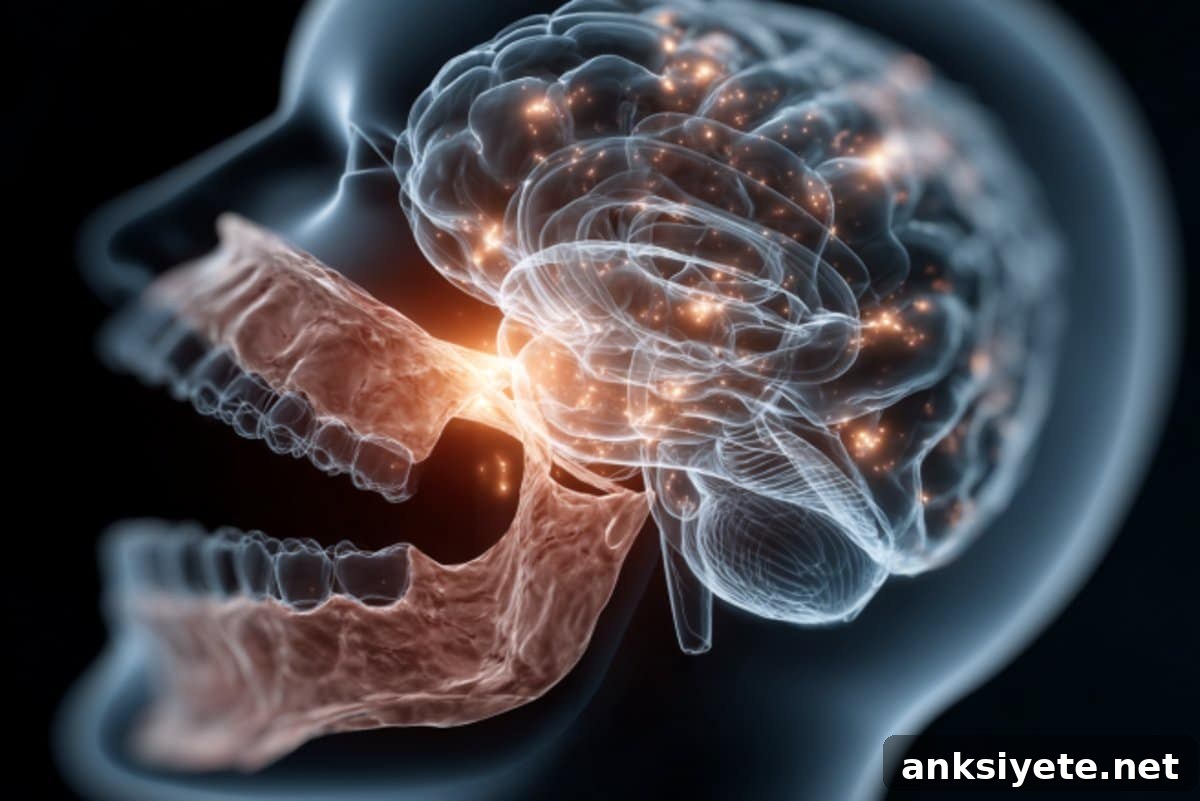
Summary: A new study reports that older adults with gum disease are more likely to show signs of damage to the brain’s white matter—known as white matter hyperintensities (WMHs)—a type of change linked to memory decline, balance problems and elevated stroke risk. Brain MRI scans showed that participants with periodontal disease had a higher WMH burden than those without gum disease, even after adjusting for age and common vascular risk factors.
Although this study demonstrates an association rather than proof of cause and effect, the results reinforce a growing body of evidence suggesting that oral inflammation and overall brain health may be connected. Maintaining good oral hygiene and treating periodontal disease could be an important, modifiable element of preserving brain health as we age.
Key facts
- White matter damage: People with gum disease showed greater white matter hyperintensity burden on MRI, indicating more damaged nerve fiber tissue.
- 56% higher odds: After accounting for demographics and vascular risk factors, participants with periodontal disease had 56% higher odds of belonging to the group with the largest WMH volumes compared with participants without periodontal disease (adjusted OR 1.56).
- Brain–mouth connection: The findings support the idea that chronic oral inflammation may contribute to cerebral small vessel disease and related cognitive and mobility problems.
Source: AAN
Adults with gum disease may be more likely to have MRI signs of white matter damage than people without gum disease, according to a study published October 22, 2025 in Neurology: Open Access.
White matter consists of nerve fibers that connect different brain regions. Damage to white matter can impair memory, thinking, balance and coordination and is associated with a higher risk of stroke. On MRI, damaged white matter often appears as bright spots called white matter hyperintensities (WMHs).
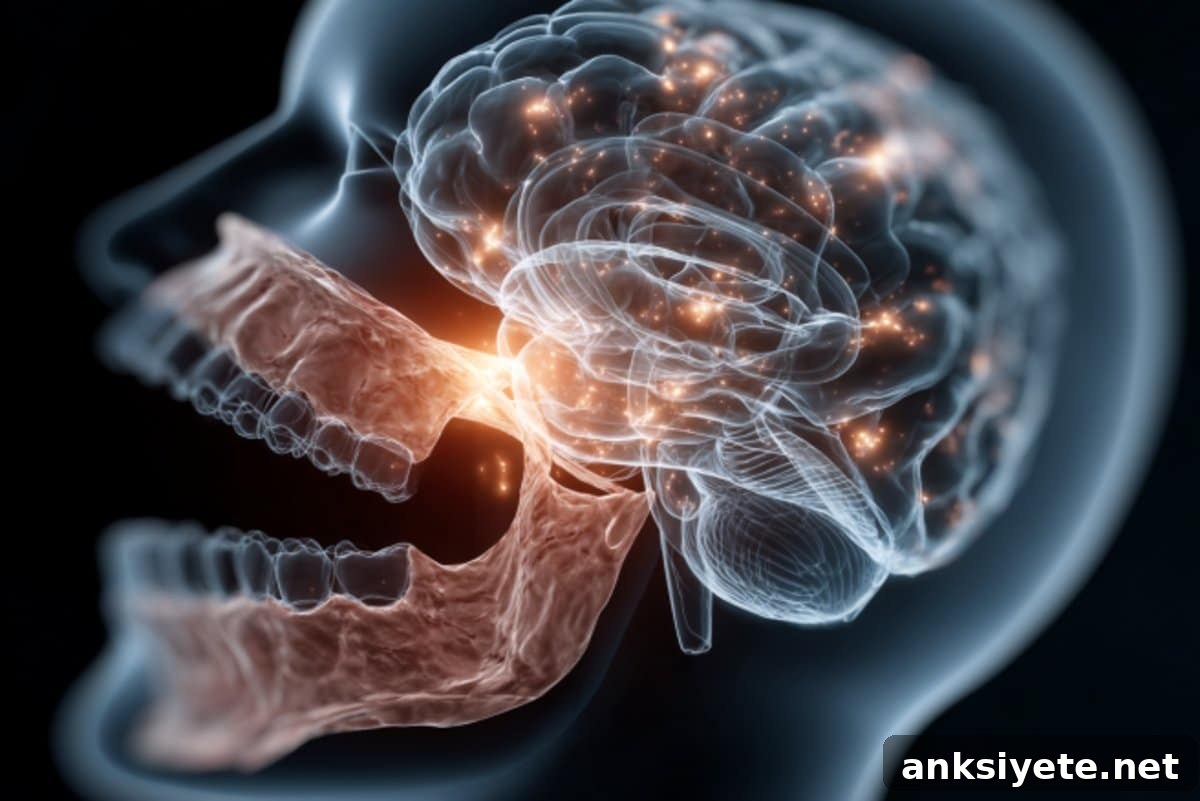
In this analysis of 1,143 older adults (mean age 77), researchers performed standardized dental examinations and brain MRI scans. Of the participants, 800 were diagnosed with periodontal disease and 343 were classified as periodontal healthy. The study assessed markers of cerebral small vessel disease on MRI, including WMH volume (WMHV), cerebral microbleeds (CMBs) and lacunar infarcts.
On average, WMH burden was higher among people with periodontal disease: median WMH as a proportion of total brain volume was 2.83% in the periodontal disease group versus 2.52% in the periodontal health group (p = 0.012). Researchers divided WMH volume into quartiles: the highest quartile (Q4) exceeded 21.36 cm³ while the lowest quartile (Q1) was under 6.41 cm³. Among participants with periodontal disease, 28% fell into the highest WMH quartile compared with 19% of those without periodontal disease.
After adjusting for age, sex, race-center, hypertension, diabetes, smoking and time between visits, periodontal disease remained independently associated with greater odds of being in the highest WMH quartile (adjusted OR 1.56; 95% CI 1.01–2.40). A weak but statistically significant correlation was observed between WMH volume and a periodontal disease severity score (ρ = 0.076, p = 0.011).
The study did not find significant adjusted associations between periodontal disease and two other MRI markers of small vessel disease—cerebral microbleeds or lacunar infarcts—suggesting the association was specific to WMH burden in this cohort.
“This study shows a link between gum disease and white matter hyperintensities, suggesting oral health may influence brain health in ways we are still exploring,” said study author Souvik Sen, MD, MS, MPH, of the University of South Carolina. The investigators emphasize that periodontal disease is both preventable and treatable, and if future research confirms these findings, targeting oral inflammation could become part of strategies to reduce cerebral small vessel disease.
A notable limitation is that dental exams and brain imaging were performed at a single time point, which limits the ability to track how periodontal status and brain changes evolve over time. Residual confounding by other health or social factors is also possible.
Key questions answered
Q: How is gum disease connected to brain health?
A: The study found that older adults with periodontal disease had significantly greater white matter hyperintensity burden—small areas of brain tissue change linked to aging, cognitive decline and stroke risk—indicating that chronic oral inflammation may influence brain small vessel disease.
Q: What are white matter hyperintensities and why do they matter?
A: WMHs are areas that appear bright on certain MRI sequences and reflect damaged white matter. They are associated with problems in thinking and memory, balance and increased stroke risk.
Q: Can treating gum disease help protect the brain?
A: This study shows an association, not causation. However, by reducing oral inflammation through prevention and treatment of periodontal disease, it is plausible that systemic inflammation could be lowered, which may support brain health. More longitudinal and interventional research is needed.
About this neurology research news
Author: Natalie Conrad ([email protected])
Source: AAN
Contact: Natalie Conrad – AAN
Image credit: Neuroscience News
Original research: Open access. Title: “Periodontal Disease Independently Associated With White Matter Hyperintensity Volume: A Measure of Cerebral Small Vessel Disease” by Souvik Sen et al., Neurology: Open Access.
Abstract
Periodontal Disease Independently Associated With White Matter Hyperintensity Volume: A Measure of Cerebral Small Vessel Disease
Background and objectives
White matter hyperintensities (WMHs), cerebral microbleeds (CMBs), and lacunar infarcts are MRI markers of cerebral small vessel disease (CSVD), which increases risk of stroke and cognitive decline. Periodontal disease (PD), a chronic inflammatory condition, has been linked to vascular pathology and may contribute to CSVD. This study evaluated whether PD is independently associated with MRI-verified CSVD features using data from the Atherosclerosis Risk in Communities (ARIC) cohort.
Methods
Researchers classified periodontal status as PD (n = 800) or periodontal health (PH; n = 343). CSVD features included WMH volume (WMHV), CMBs and lacunar infarcts. WMHV was derived from fluid-attenuated inversion recovery images and categorized into quartiles. Multinomial logistic regression assessed associations between PD and WMHV quartiles while logistic regression evaluated PD associations with CMBs and lacunar infarcts. Models were adjusted for demographics and vascular risk factors including age, sex, race-center, hypertension, diabetes, smoking and time between visits.
Results
Among 1,143 ARIC participants (mean age 77; 45% male; 76% White, 24% African American), WMH burden was greater in those with PD versus PH (median WMH% 2.83 vs 2.52; p = 0.012). PD was associated with the highest WMHV quartile (Q4 > 21.36 cm³) with a crude OR of 1.77 (95% CI 1.23–2.56) and an adjusted OR of 1.56 (95% CI 1.01–2.40). A small but significant correlation existed between WMHV and periodontal severity (ρ = 0.076, p = 0.011). Adjusted associations between PD and CMBs or lacunar infarcts were not statistically significant.
Discussion
Periodontal disease was independently associated with greater WMH burden—a key imaging marker of CSVD—but not with CMBs or lacunar infarcts after adjustment. These results suggest PD may contribute to CSVD pathology through systemic inflammatory mechanisms. Limitations include the single-time-point assessments for dental and brain measures and potential residual confounding. Future studies could explore whether interventions targeting periodontal disease reduce CSVD risk.