
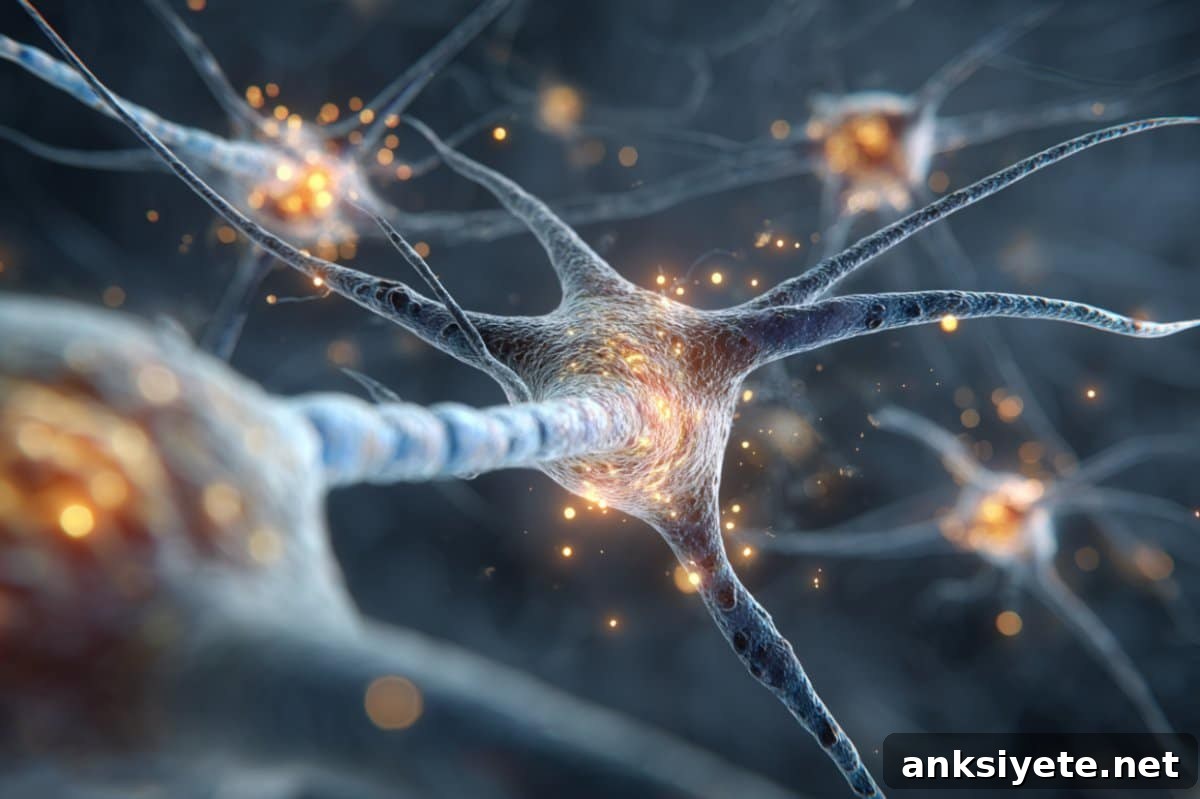
Summary: A new study from the University of Cambridge demonstrates that grafted neural stem cells can generate new myelin in the central nervous system, offering renewed hope for therapies that target progressive multiple sclerosis (MS). In a mouse model, induced neural stem cells matured into oligodendrocytes—the cells that make myelin—and integrated safely into demyelinated areas.
These results indicate that neural stem cell approaches may do more than manage symptoms: they could address the neurodegenerative processes that drive progressive MS. The findings strengthen the case for translating stem cell strategies into patient-focused clinical trials led by consortia such as RESTORE.
Key Facts:
- New myelin formation: Grafted neural stem cells were observed to form oligodendrocytes and generate myelin in damaged regions of the central nervous system.
- Safety in animals: Human induced neural stem cell grafts persisted in lesions and were shown to be safe in mouse models.
- Clinical translation: The work advances efforts by the RESTORE consortium to develop clinical trials aimed at progressive MS.
Source: University of Cambridge
Cambridge-led research provides new evidence that neural stem cell grafts can promote remyelination in the central nervous system.
Multiple sclerosis is an autoimmune condition in which immune-mediated damage destroys myelin, the insulating layer around nerve fibers. Loss of myelin impairs nerve signalling and is a major contributor to disability in young adults. While early stages of MS can benefit from limited endogenous repair, this capacity declines in chronic progressive phases, leaving neurons vulnerable to degeneration and driving sustained disability.
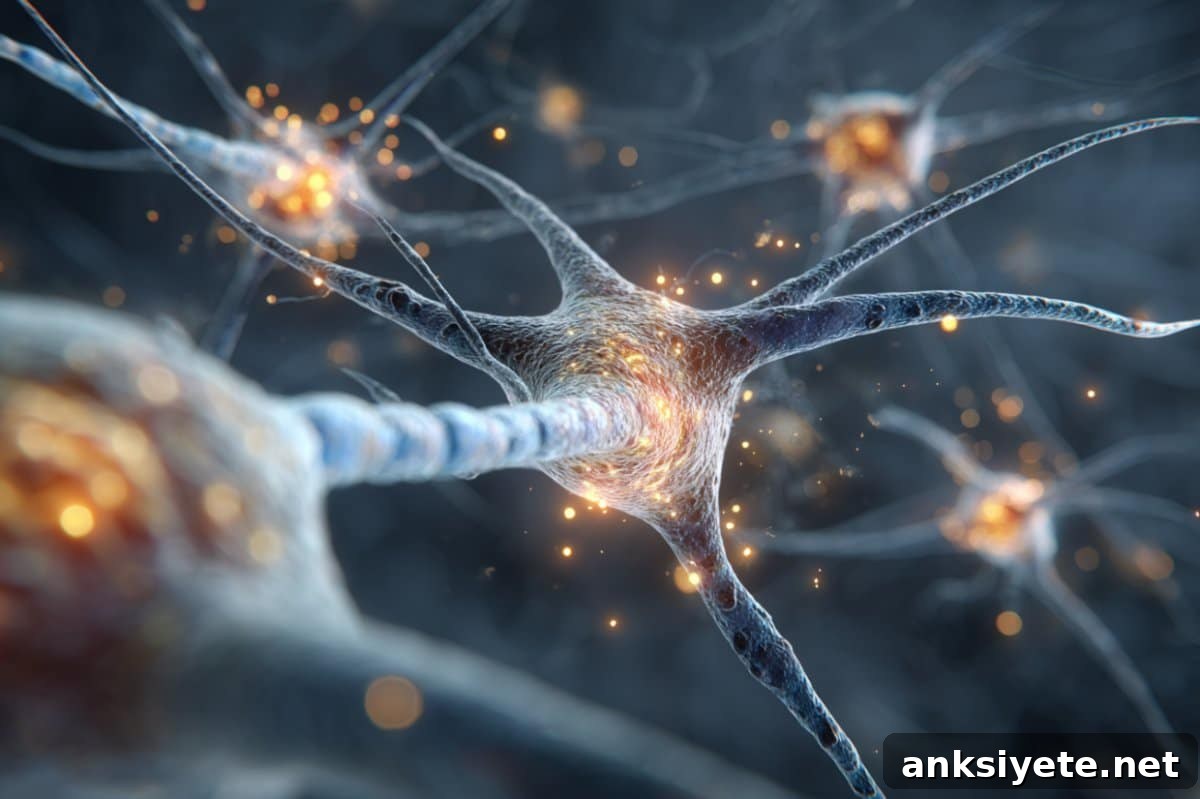
Current MS treatments largely focus on modulating immune activity and symptom management, but they do not reliably reverse established damage or stop progressive neurodegeneration. To develop therapies that truly modify disease course, researchers are exploring how cell-based approaches might restore lost myelin and protect the central nervous system.
Published in the journal Brain and led by Dr. Luca Peruzzotti-Jametti of the Department of Clinical Neurosciences at the University of Cambridge, the study investigated the reparative potential of induced neural stem cells (iNSCs). Using a mouse model of focal demyelination, the researchers tested whether transplanted iNSCs can both support endogenous repair and directly replace lost myelin-producing cells.
The study reports that mouse iNSCs enhanced remyelination by promoting differentiation of native oligodendrocyte progenitor cells and by directly maturing into oligodendrocytes themselves. Crucially, when transplanted into mice genetically predisposed to impaired remyelination (Olig1−/− mice), the iNSC grafts formed new exogenous myelin sheaths, demonstrating direct remyelinating capacity.
The team also examined xenotransplantation of human iNSCs (hiNSCs) into mice and found these human cells persisted long-term in demyelinated lesions and generated human-derived myelin without evidence of adverse effects, supporting the approach’s safety in preclinical models.
“This research shows that induced neural stem cell grafts can become myelin-producing cells within damaged regions of the central nervous system, pointing to a possible new therapeutic strategy for progressive MS,” said Dr. Peruzzotti-Jametti, the study’s first author.
Senior author Professor Stefano Pluchino, Clinical Professor of Regenerative Neuroimmunology, highlighted the broader implications: the findings bring the field closer to CNS-directed therapies that aim to repair underlying neurodegeneration rather than only treating symptoms.
Future research and RESTORE
These preclinical results have important implications for designing clinical trials and accelerating translational research. RESTORE, a transatlantic consortium including Cambridge investigators, is advancing patient-centred plans for testing neural stem cell-based therapies in progressive MS. Supported by the International Progressive MS Alliance’s Experimental Medicine Development Award Scheme, RESTORE prioritises direct engagement with people living with MS to ensure trials meet patient needs and perspectives.
The study’s success strengthens RESTORE’s rationale for pursuing clinical evaluation of neural stem cell grafts and may inform improved trial designs aimed at demonstrating meaningful remyelination and improved neurological outcomes in people with progressive MS. Long-term, the work aspires to contribute to a truly biological disease-modifying therapy for MS.
Professor Pluchino said the consortium will continue collaborating with international partners to translate these findings into clinical practice and to explore the feasibility of controlled clinical trials testing neural stem cell grafts in progressive MS.
Dr Catherine Godbold, Senior Research Communications Manager at the MS Society, noted the potential impact: the research enhances understanding of how neural stem cells might unlock myelin-repair strategies that could one day help stop progression in people with MS. The MS Society supported the study and emphasised that neural stem cell therapy remains at an early research stage, but that the results in animal models are an important advance.
Funding
This research received funding from the Medical Research Council, the Bascule Charitable Trust, the National MS Society, FISM – Fondazione Italiana Sclerosi Multipla, the European Committee for Treatment and Research in Multiple Sclerosis (ECTRIMS), and the UK MS Society Centre of Excellence.
About this genetics and multiple sclerosis research news
Author: Lucy Theobald
Source: University of Cambridge
Contact: Lucy Theobald – University of Cambridge
Image: Image credit: Neuroscience News
Original Research: Open access. “Remyelination of the chronic demyelinated lesions of the spinal cord with directly induced Neural Stem Cells” by Stefano Pluchino et al. DOI: 10.1093/brain/awaf208
Abstract
Remyelination of the chronic demyelinated lesions of the spinal cord with directly induced Neural Stem Cells
Progressive multiple sclerosis (PMS) involves reduced capacity of central nervous system progenitor cells to differentiate into oligodendrocytes, limiting repair of demyelinated lesions and contributing to disability. Neural stem cell (NSC) transplantation has emerged as a potentially safe therapeutic approach for people with PMS, promising restoration of injured CNS tissue. However, the mechanisms by which NSC grafts promote remyelination require careful study before broad clinical use.
In this study, researchers used directly induced NSCs (iNSCs) as a transplantation source to enhance remyelination. In a mouse model of focal lysophosphatidylcholine (LPC)-induced demyelination, mouse iNSCs supported remyelination by stimulating endogenous oligodendrocyte progenitor differentiation and by differentiating directly into mature oligodendrocytes. Transplantation of mouse iNSCs into LPC-lesioned Olig1−/− mice, which show impaired remyelination, confirmed that grafts can form new exogenous myelin sheaths. Xenotransplantation of human iNSCs was also shown to be safe in mice, with long-term persistence in lesions and production of graft-derived human myelin. These findings support the potential use of NSC therapies to enhance remyelination in chronic demyelinating disorders such as PMS.