
System designed to improve hand function lost to nerve damage
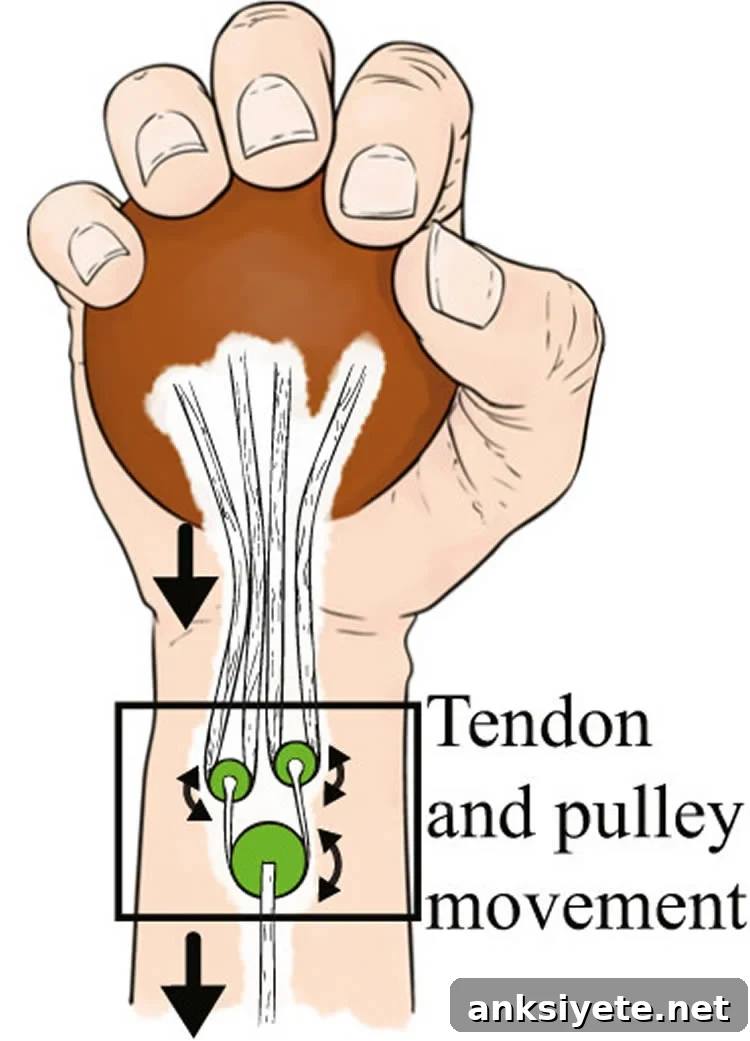
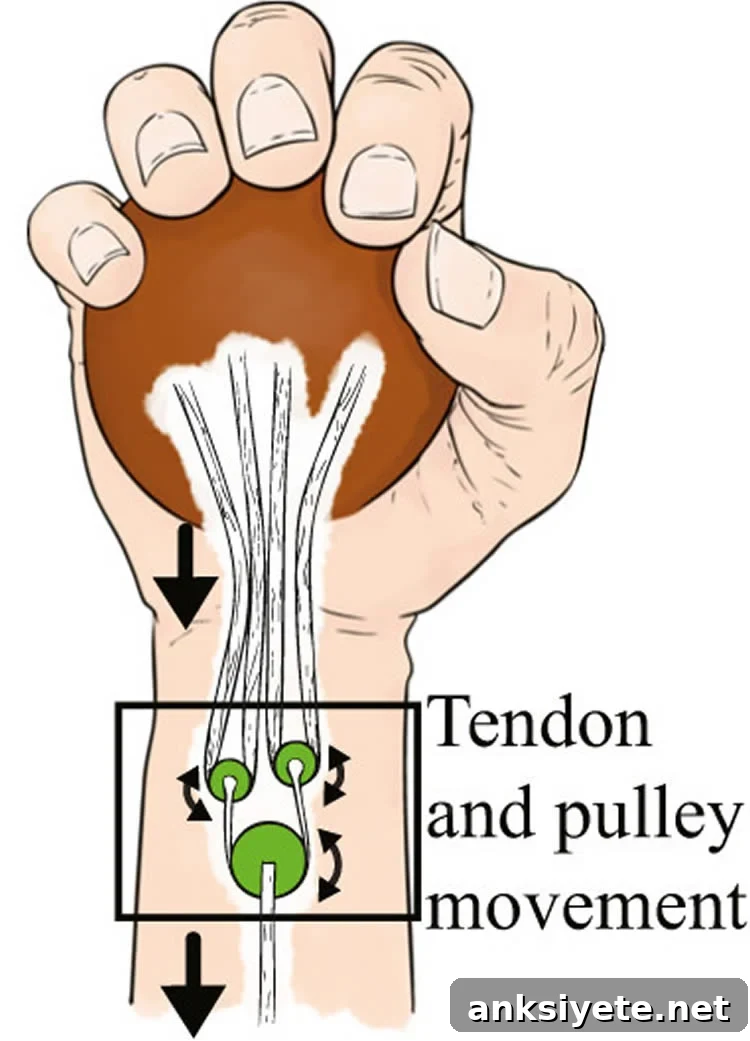
Engineers at Oregon State University have developed and demonstrated a simple implanted pulley mechanism that could help restore hand function after nerve injury. Tested in cadaver hands, the device is among the first internal mechanical implants designed to improve transmission of force and coordinated finger movement following reconstructive surgery.
The research, led by investigators from Oregon State University in collaboration with the University of Washington School of Medicine, was published in the journal Hand. The work was supported by Oregon State University.
Rather than being a robotic device with motors, sensors or electronics, the mechanism is a passive engineering solution: a small internal pulley that changes how tendons transmit force during hand closure. When implanted, the pulley permits more natural, adaptive finger flexion with less muscular effort, potentially improving outcomes for people who have lost hand function after trauma, stroke or nerve injury.
Current reconstructive options include tendon-transfer surgery, commonly performed for high median-ulnar palsy, where functioning muscles are re-routed to restore finger flexion. While tendon transfers can restore basic grasping, they often produce impaired function: fingers may require high levels of force, tendons may be stretched, and multiple digits tend to move together rather than independently, reducing the ability to conform to objects of varying shape.
In cadaver tests, the implanted pulley mechanism produced measurable improvements in grasp. The force needed to close all four fingers around an object decreased by about 45 percent, and the design reduced object slippage by about 52 percent. These results suggest the pulley may reduce muscular effort and improve adaptive grasping compared with standard tendon reattachment techniques.
“This technology is designed to merge artificial mechanical elements with biological hand function,” said Ravi Balasubramanian, an assistant professor in the Oregon State University College of Engineering who specializes in robotics, biomechanics and human control systems. He emphasized that the device is passive and mechanical, not electronic. Continued development will focus on materials, coatings and biological compatibility before animal and human trials.
Researchers note that developing implantable components requires advances in biocompatible materials and anti-fibrotic coatings so the pulley can function long-term without adverse tissue responses. Initial work with the hand is strategic: the hand’s complex anatomy and central role in daily life make it a high-impact target. If successful, similar passive mechanical aids could be adapted for other joints such as knees and ankles to augment or restore function after injury or surgery.
The human hand is extraordinarily intricate, with roughly 35–38 muscles and about 22 joints between the elbow and fingertip, controlled by a small set of peripheral nerves. Because of that complexity, small mechanical improvements in force transmission and digit independence can lead to meaningful gains in functional grasp and reduced effort during activities of daily living.
Long-term possibilities include combining mechanical assistance with conventional orthopedic procedures to not only restore but potentially improve joint or limb function. Balasubramanian noted that many replacement joints are functionally weaker after surgery; carefully designed mechanical aids might strengthen or enhance joints beyond current outcomes.
This study is part of a growing robotics and rehabilitation program at Oregon State University that spans underwater robotics, prosthetic limbs, search-and-rescue technologies and advanced manufacturing. The university recently added graduate degrees in robotics to expand education and research capacity in these areas.
Contact: Ravi Balasubramanian – Oregon State University
Source: Oregon State University press release about the implanted pulley mechanism and cadaver study
Image Source: Adapted from the Oregon State University press release
Original Research: Mardula, K. L.; Balasubramanian, R.; Allan, C. H. “Implanted passive engineering mechanism improves hand function after tendon transfer surgery: a cadaver-based study.” Published in HAND. DOI: 10.1007/s11552-014-9676-0. Published online September 11, 2014.