
Buck Institute study reveals a link between ApoE4 and the anti‑aging protein SirT1, pointing to new therapeutic directions for Alzheimer’s disease
The leading genetic risk factor for Alzheimer’s disease (AD) is ApoE4, a variant of the cholesterol‑carrier apolipoprotein E that roughly one quarter of the population carries and that appears in about two‑thirds of people who develop AD. How ApoE4 increases Alzheimer’s risk has remained unclear. Researchers at the Buck Institute report new findings showing that ApoE4 dramatically lowers levels of SirT1, a member of the Sirtuin family of proteins often associated with cellular longevity and targeted by compounds such as resveratrol.
In experiments using cultured neural cells and human brain tissue from people with ApoE4 and Alzheimer’s disease, the Buck team observed a consistent reduction in SirT1 levels. SirT1 is one of seven human sirtuins and has been implicated in neuroprotection. The senior investigators, Rammohan V. Rao, PhD, and Dale E. Bredesen, MD, report that this SirT1 decline correlates with biochemical changes that favor Alzheimer’s‑related pathology.
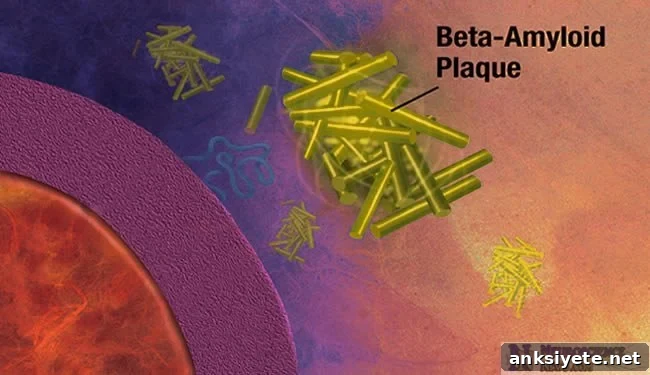
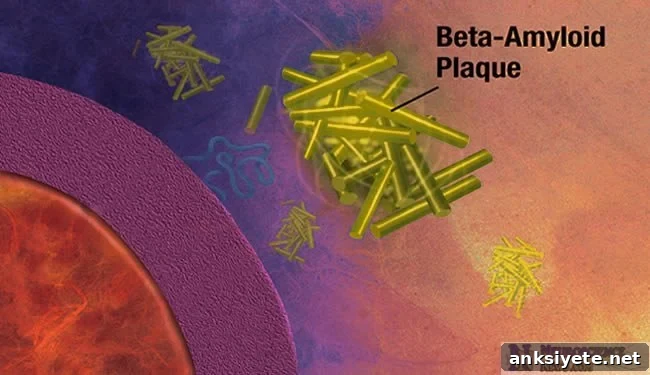
Specifically, the researchers found that reduced SirT1 shifts processing of the amyloid precursor protein (APP) toward production of amyloid‑beta, the sticky peptide that aggregates into plaques in AD brains. In contrast, the protective cleavage product sAPPα, which is produced when APP is processed by the ADAM10 protease, was relatively higher in samples carrying ApoE3, the neutral form of the gene that does not increase Alzheimer’s risk. This pattern is consistent with previous evidence that increased SirT1 expression enhances ADAM10 activity and thereby promotes sAPPα production while reducing amyloid‑beta formation.
Beyond describing this mechanistic link, the Buck team tested whether restoring SirT1 could block downstream pathological changes. They report that elevating SirT1 levels prevented hallmark AD abnormalities associated with ApoE4, including accumulation of phosphorylated tau (phospho‑tau) and amyloid‑beta production. The investigators have also identified drug candidates that reproduce the protective effect of SirT1 elevation in their models, suggesting a practical pathway to therapeutic development.
“The biochemical mechanisms that link ApoE4 to Alzheimer’s disease have been something of a black box,” said Dale Bredesen. “Recent work from a number of labs, including our own, is beginning to open that box.” Rammohan Rao added that one goal of the work is to develop a safe, non‑toxic preventive treatment that could be offered to people who carry the ApoE4 gene to lower their lifetime risk of developing Alzheimer’s.
The clinical need for preventive approaches is significant. Alzheimer’s disease affects millions of Americans and currently lacks treatments that cure or reliably halt progression of memory loss, language decline, and other cognitive symptoms. Individuals with two copies of ApoE4 face an especially high risk—roughly an order of magnitude higher—while carriers of a single ApoE4 allele also have elevated risk. Identifying safe therapeutics that increase SirT1 activity or otherwise counter the ApoE4‑driven molecular cascade could therefore have broad preventive value.
These findings point to several practical implications for future research and drug discovery. First, SirT1 and its downstream effectors such as ADAM10 represent measurable targets for screening compounds aimed at reducing Alzheimer’s pathology in ApoE4 carriers. Second, because SirT1 is modulated by known small molecules, including natural products like resveratrol, the pathway may be amenable to rapid translation from laboratory models to clinical testing. Finally, the work supports a model in which genetic risk factors like ApoE4 alter specific biochemical pathways that can be counteracted pharmacologically.
Notes about this neurology and Alzheimer’s disease research
Other Buck Institute contributors to the study include Veena Theendakara, Alexander Patent, Clare A. Peters Libeu, Brittany Philpot, Sonia Flores, Olivier Descamps, Karen S. Poksay, Qiang Zhang, Gabriellee Cailing and Varghese John. Matthew Hart of the University of Texas Health Science Center also contributed. Funding was provided by the National Institutes of Health (AG034427‑02), the Joseph Drown Foundation, and the Stephen D. Bechtel, Jr. Foundation.
Contact: Kris Rebillot – Buck Institute for Age Research
Source: Buck Institute for Age Research press release
Image Source: The beta‑amyloid plaque image is credited to NIH/NIA and is in the public domain.
Original Research: Abstract for “Neuroprotective Sirtuin ratio reversed by ApoE4” by Veena Theendakara et al. in PNAS. Published online October 21, 2013; doi:10.1073/pnas.1314145110
#neurology, #Alzheimers