
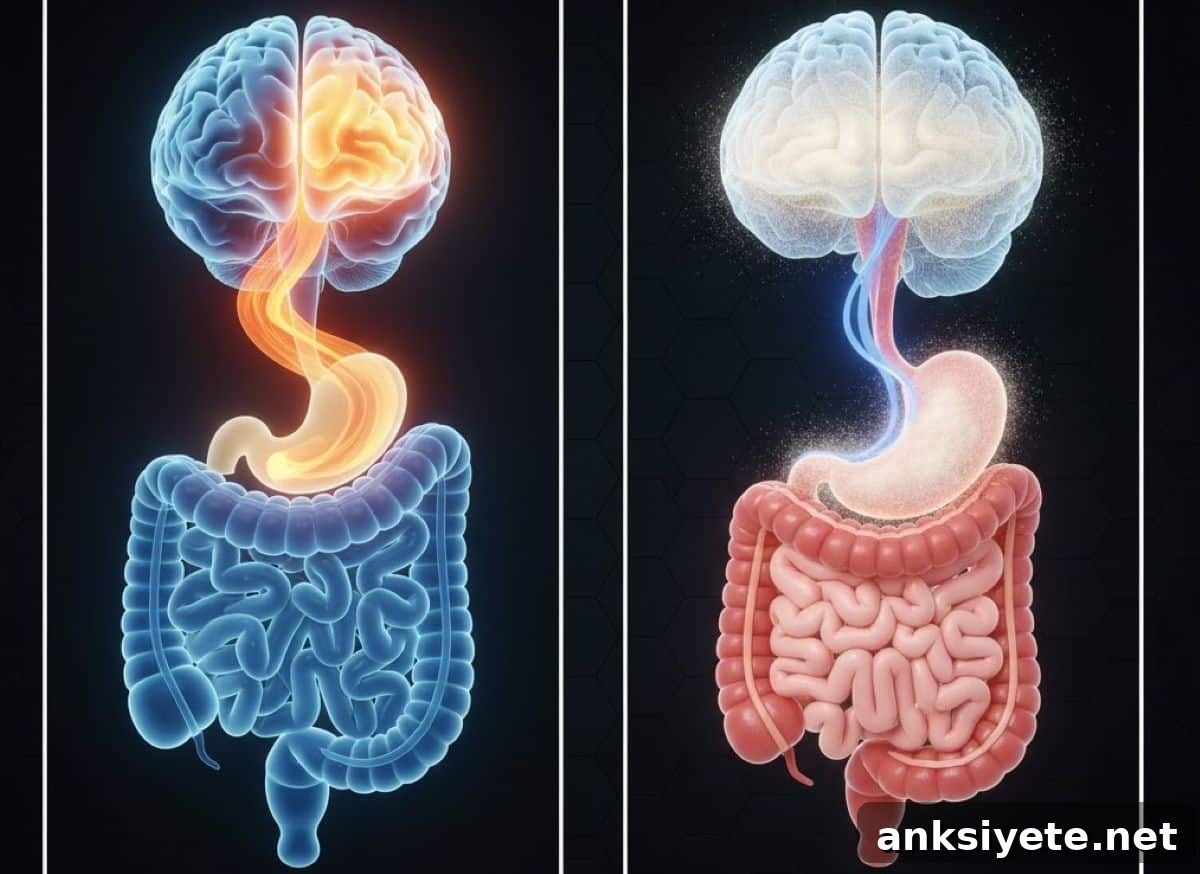
Summary: The way you take a probiotic—its physical form and delivery—can determine whether it primarily improves cognition or supports emotional well‑being. A randomized, placebo‑controlled trial in healthy older adults found that microencapsulated probiotics enhanced cognitive functions such as memory and attention, while non‑encapsulated powder produced stronger benefits for mood, reducing anxiety and depressive symptoms. The study highlights that delivery method acts as a functional switch for the gut‑brain axis, opening avenues for personalized brain‑health strategies.
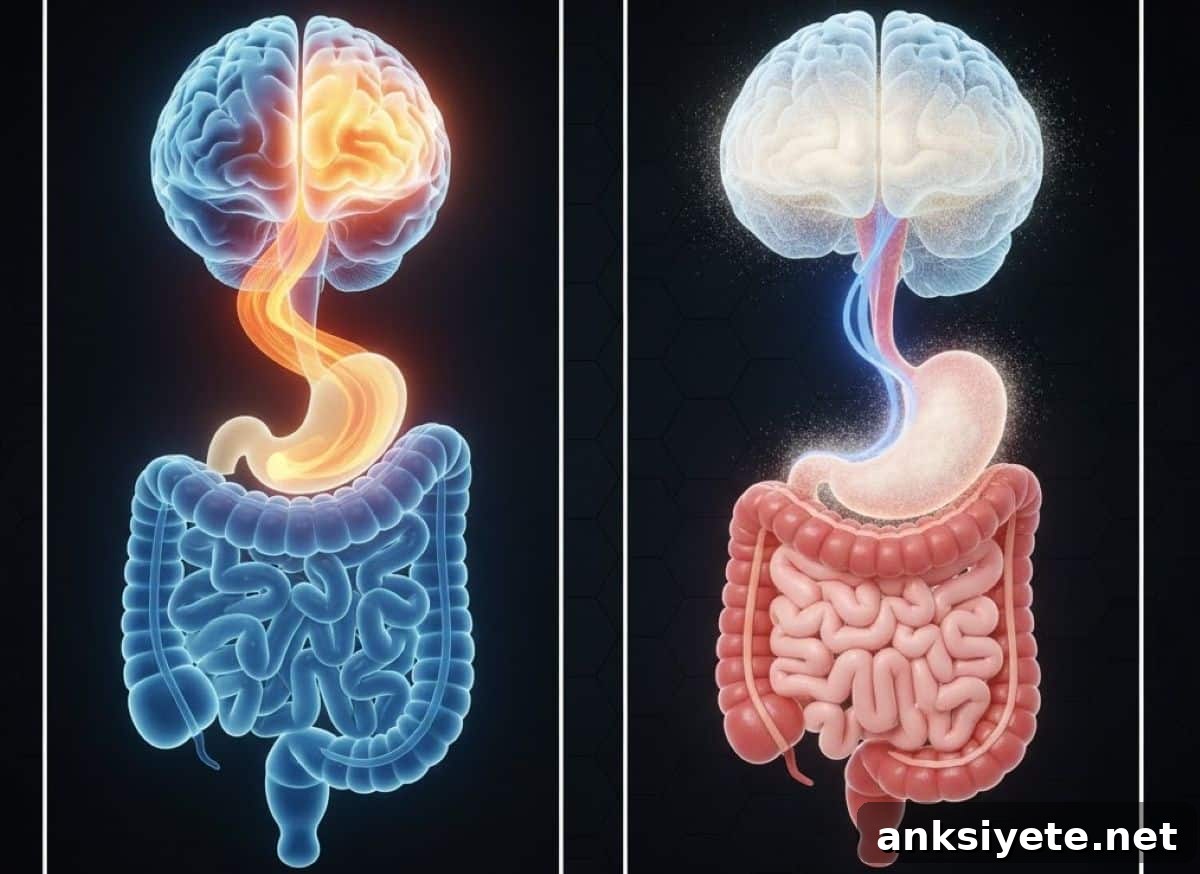
Researchers at Örebro University published the results in Brain, Behavior, and Immunity after comparing identical probiotic strains and doses delivered either microencapsulated (coated) or as plain powder. By protecting bacteria from stomach acid, microencapsulation allows a larger proportion to reach deeper parts of the intestine, which appears to influence neural circuits linked to memory and attention. Conversely, non‑encapsulated probiotics likely interact earlier in the digestive tract and showed stronger connections to emotional centers of the brain.
Key facts
- Targeted effects: Encapsulated probiotics improved cognitive performance—memory, focus, processing speed and orientation—whereas non‑encapsulated powder produced greater improvements in mood, anxiety and depressive symptoms.
- Delivery matters: Microencapsulation protects bacteria during gastric transit, delaying release until they reach deeper gut regions; timing and location of release change which gut‑brain signaling pathways are engaged.
- Analogy: Researchers liken encapsulation to different forms of baking powder that react at different stages—the timing of release determines which physiological systems are affected.
- Novel comparison: This is the first randomized trial in healthy older adults (60–80 years) to compare probiotic preparation methods and to verify brain changes using MRI.
“I did not expect the method of consumption to make such a difference,” says Julia Rode, researcher in biomedicine at Örebro University, whose work focuses on gut‑brain interactions. “Our findings show that encapsulation shifts effects toward cognition, while uncoated powder influences emotional health. Neither form is inherently superior—each may be preferable depending on the individual goal.”
Probiotics are live beneficial bacteria commonly consumed through foods, drinks or supplements. Preparation affects stability, shelf life and how bacteria behave in the gut. Microencapsulation is a preparatory technique that coats the bacteria, enabling them to remain active longer and release later in the digestive tract. This altered transit appears to change which brain networks are affected.
About the study
Eighty‑seven community‑dwelling participants aged 60–80 were enrolled in a double‑blind, randomized, placebo‑controlled trial. Participants received either microencapsulated Lacticaseibacillus rhamnosus HN001, the same strain in non‑encapsulated form, or a placebo. All probiotic groups received the same bacterial strain and dose.
Researchers measured outcomes with resting‑state functional MRI to assess brain connectivity, cognitive testing across multiple domains, and standardized questionnaires addressing mood, anxiety, perceived stress and sleep. The two probiotic preparations produced distinct changes in functional connectivity—particularly in regions involved in visual processing and perception—and corresponding differences in cognition and emotional symptoms.
- Encapsulated probiotic delivery improved cognitive measures such as processing speed, attention, short‑term memory and orientation.
- Non‑encapsulated probiotic powder yielded stronger reductions in anxiety and depressive symptoms and had a greater impact on self‑reported mood.
Key questions answered
A: The capsule shields bacteria from stomach acid and delays release until they reach deeper intestinal regions. This deeper delivery appears to trigger neural pathways that support attention and memory.
A: According to this study, non‑encapsulated powder showed a stronger link to emotional centers in the brain and greater reductions in anxiety and depressive symptoms, suggesting that uncoated forms may be more effective for mood support in some people.
A: Foods like yogurt contain probiotics, but the strains, doses and delivery characteristics differ from the controlled preparations used in this trial. The study suggests that less protected probiotics—similar to those found in some foods—may align more with emotional well‑being than with cognitive enhancement under the tested conditions.
Editorial notes
- This article was edited by a Neuroscience News editor.
- The full journal paper was reviewed.
- Additional context was provided by editorial staff.
Research and authorship
Author: Julia Rode
Source: Örebro University
Contact: Julia Rode, Örebro University
Image credit: Neuroscience News
Original research (open access): Micro‑encapsulation differentially impacts probiotic effects on brain structure and function in an elderly population – A randomised placebo‑controlled trial. DOI: 10.1016/j.bbi.2025.106113. Authors include Julia Rode and colleagues. Published in Brain, Behavior, and Immunity.
Abstract summary
Modulating the gut‑brain axis with probiotics appears to influence healthy aging. In this double‑blind, randomized, placebo‑controlled trial of 87 older adults, microencapsulated and non‑encapsulated Lacticaseibacillus rhamnosus HN001 produced different effects on resting‑state functional connectivity, particularly in regions involved in visual processing and perception. While brain morphometry remained unchanged, time*group effects were significant for processing speed and showed trends for short‑term memory and anxiety symptoms. Peripheral serotonin distribution was affected, whereas measurements of GABA, glutamate in the striatum, and circulating BDNF did not show significant group interactions. Overall, microencapsulation changed gut targeting and thereby altered probiotic effects on brain function as measured by functional MRI.