
Summary: Researchers report that activation of the maternal immune system during pregnancy can alter the expression of genes and biological processes that are important for prenatal brain development and are associated with autism spectrum disorder.
Source: UCSD.
Researchers find that maternal immune activation during pregnancy disrupts expression of genes and pathways linked to autism and fetal brain development
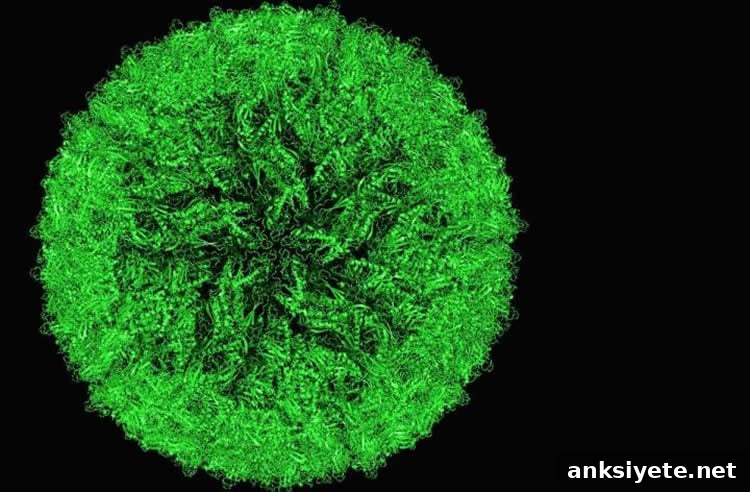
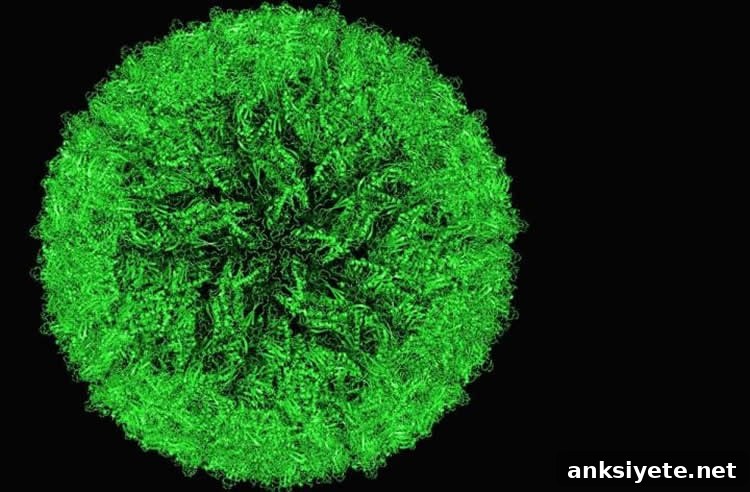
Some infections during pregnancy directly infect the fetus, as seen with Zika virus, which can cross the placenta and damage developing brain tissue. Other infections do not directly invade fetal tissue but instead trigger the mother’s immune response. This maternal immune activation (MIA), as occurs with certain strains of influenza like H1N1, sets off a cascade of immune signaling that can affect the fetal brain indirectly. Both direct infection and MIA have been associated with serious neurodevelopmental consequences: Zika is linked to microcephaly (an abnormally small and underdeveloped brain and head), while MIA has been associated in animal and human studies with cortical abnormalities, altered neuron numbers, localized patches of disorganized cortex, impaired synapse development and episodes of early brain overgrowth in some cases.
Large population-based studies have suggested that maternal infections during pregnancy and the resulting immune activation carry a small but measurable increase in the risk of later psychiatric and neurodevelopmental conditions, including autism spectrum disorder (ASD). A new study published in Molecular Psychiatry by researchers at the University of California San Diego School of Medicine, the University of Cyprus and Stanford University maps how MIA changes gene expression in the fetal brain and highlights how those changes intersect with biology already known to be important in autism.
The research shows that MIA can turn up or down the activity of multiple genes and coordinated pathways that govern early brain development. Many of these genes and pathways are already implicated in ASD. The altered expression affects processes essential to neurodevelopment—how neurons are produced, how they form and refine synapses, and how they arrange into functional circuits—suggesting one route by which a transient maternal immune response can have lasting effects on a child’s neurodevelopmental trajectory.
“Our findings strengthen the connection between prenatal infections and biological processes that matter for the development of autism,” said Tiziano Pramparo, PhD, associate research scientist at the Autism Center of Excellence at UC San Diego School of Medicine and senior author of the study. “We also identify a specific molecular pathway that appears central to the subsequent disruptions in early brain development.”
Lead author Michael Lombardo, PhD, at the University of Cyprus added, “Prenatal development is a critical window for understanding neurodevelopmental conditions like autism. Maternal immune activation is an environmental influence that intersects with core biological mechanisms of brain development. The overlap between MIA-driven changes and autism-relevant biology suggests how environmental and genetic factors could combine to shape risk.”
The investigators emphasize that the harmful consequences are not the direct result of a virus or bacterium invading fetal tissue in many cases, but rather derive from the mother’s immune response. Elevated maternal cytokines—small signaling molecules released during an immune response—may cross into the fetal environment or influence maternal-fetal signaling in ways that change how fetal genes are expressed.
These shifts in gene expression can alter production and availability of proteins required for normal brain formation. Pramparo noted that MIA affects both individual genes and coordinated gene networks—pathways made up of many genes working together to perform critical biological functions during early fetal neurodevelopment. Among the genes influenced by MIA are several that, when mutated, are known to cause rare genetic forms of autism in a subset of children with ASD.
The authors point to several clinical and research implications. First, understanding which molecular mechanisms are disrupted by MIA increases the opportunities to identify therapeutic targets or preventive strategies that could reduce risk. Second, defining the biological fingerprints of environmental versus genetic influences may help clarify why clinical presentations vary: when MIA affects the same genes or pathways impacted by genetic mutations, the combined effect could produce more severe outcomes.
Timing also matters. MIA is a transient event, but when it occurs during a critical phase of gestation it can exert powerful influence on developmental programs—potentially even stronger than some single-gene mutations during those stages. The researchers propose that interactions between genetic vulnerability and environmental factors like MIA may help explain variability in severity and phenotype observed across individuals with autism.
Co-authors on the study include Hyang Mi Moon, Jennifer Su and Theo D. Palmer from Stanford University, and Eric Courchesne from the University of California San Diego. Funding for the work came from the UC San Diego Altman Clinical and Translational Research Institute, the National Institutes of Health, the Simons Foundation Autism Research Initiative and the Child Health Research Institute at Stanford University.
Source: Scott LaFee – UCSD
Image credit: Protein Data Bank.
Original research: “Maternal immune activation dysregulation of the fetal brain transcriptome and relevance to the pathophysiology of autism spectrum disorder” by M. V. Lombardo, H. M. Moon, J. Su, T. D. Palmer, E. Courchesne & T. Pramparo, published in Molecular Psychiatry (published online March 21, 2017).
Abstract
Maternal immune activation dysregulation of the fetal brain transcriptome and relevance to the pathophysiology of autism spectrum disorder
This study examines how maternal immune activation alters the fetal brain transcriptome and how those changes relate to autism-relevant biology. The analysis reveals that MIA triggers coordinated up- and down-regulation of genes and pathways critical for neuronal production, migration, synapse formation and other foundational processes of early brain development. Many of the affected genes overlap with known autism-associated genes, suggesting that transient prenatal immune events can perturb developmental programs in ways that increase risk for atypical neurodevelopment. The findings support a model in which environmental immune challenges during pregnancy interact with genetic factors to shape neurodevelopmental outcomes.