New Study Identifies Two Proteins Linked to ALS
featured 104215

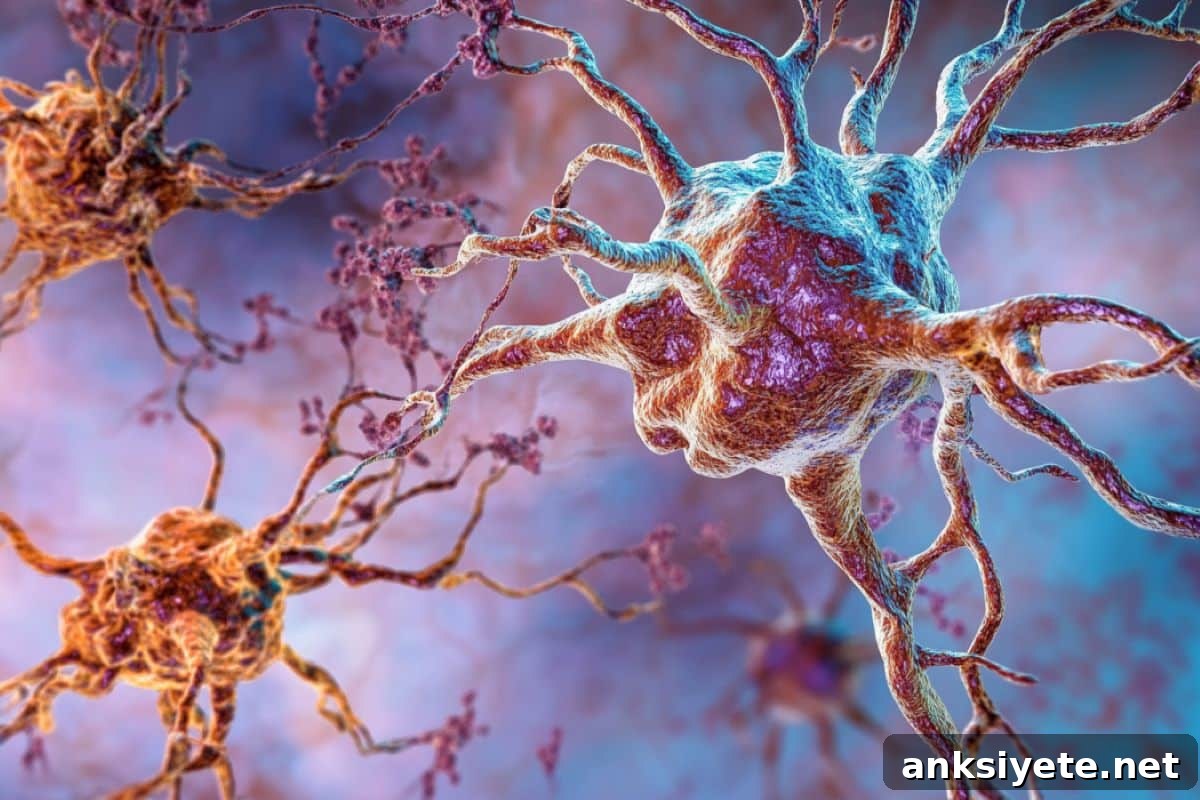
Summary: A new study identifies two proteins that interact with a mutant FUS variant implicated in familial amyotrophic lateral sclerosis (ALS), revealing a potential therapeutic target. Inhibiting these proteins in motor neurons derived from human induced pluripotent stem cells (iPSCs) reduced hallmark ALS changes, including mutant FUS aggregation and neurodegeneration. The results suggest these mechanisms … Read more

Study Finds Surprising Resilience Among Isolated Seniors

featured 102951

Summary: A UCL study found that older adults in England who were socially connected before the COVID-19 pandemic experienced a sharper decline in quality of life and life satisfaction and a larger increase in loneliness during 2020 than their more socially isolated peers. The research used nationally representative survey data to compare changes in well-being, … Read more

Study: SSRIs May Slow Reproductive Aging

featured 93174

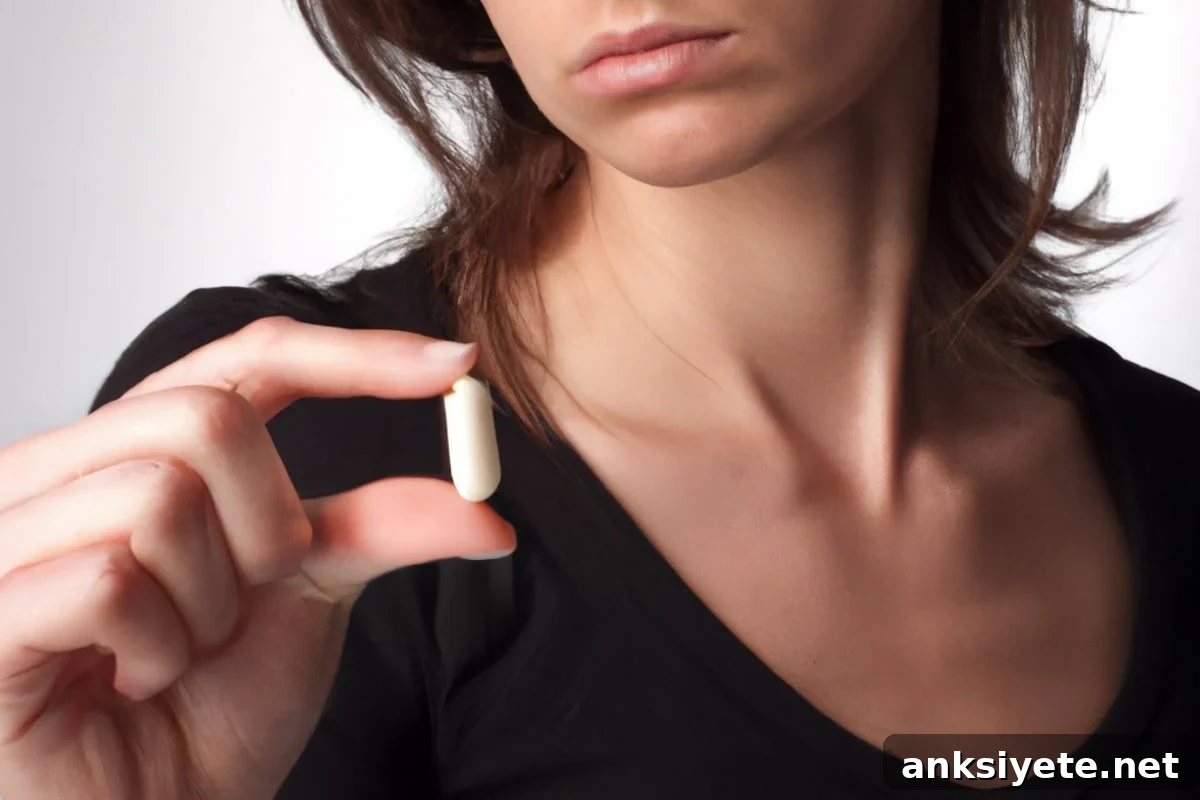
Summary: New research shows that selective serotonin reuptake inhibitors (SSRIs), commonly prescribed for depression and anxiety, can improve the quality of aging female gametes in model organisms. Treatment with SSRIs reduced embryonic death and chromosomal abnormalities in surviving offspring and produced visibly healthier egg cells in both roundworms and fruit flies. These findings point to … Read more

Compound Prevents Activation of Breast Cancer Brain Metastases

featured 47472

Compound Shows Promise Preventing Triple-Negative Breast Cancer Cells from Activating in the Brain Summary: A compound previously investigated for leukemia may block triple-negative breast cancer cells from colonizing the brain, according to research from Houston Methodist. Researchers at Houston Methodist applied computational screening to thousands of existing compounds and identified edelfosine—a selective PLC inhibitor, previously … Read more

How the Immune System Influences Alcohol Consumption

featured 43443

Summary: A new mouse study found that blocking a specific brain immune response reduces the drive to drink alcohol at night. The findings reveal a time-of-day interaction between the brain’s innate immune system and alcohol-motivated behaviour. Source: University of Adelaide University of Adelaide researchers identify a link between the brain’s immune signalling and evening alcohol … Read more

How the Human Brain Integrates Prosthetics Into the Body

featured 9225

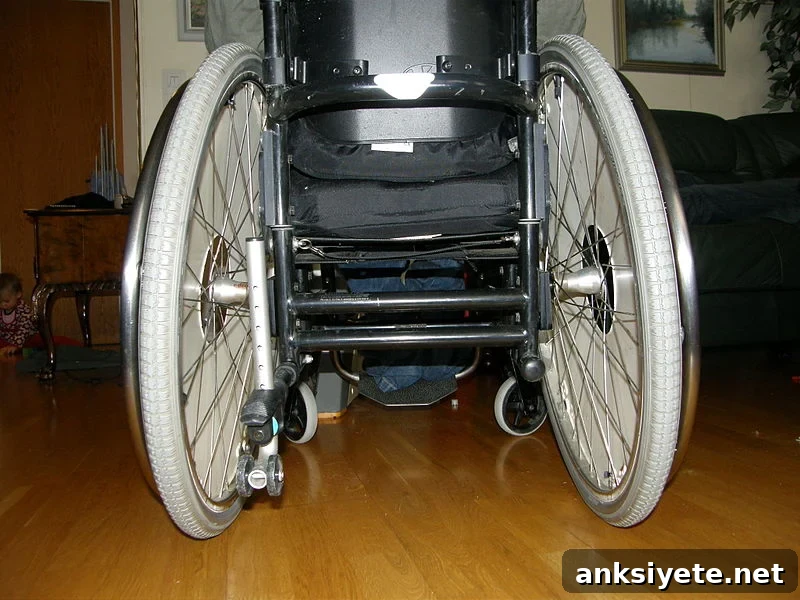
People with spinal cord injuries strongly incorporate wheelchairs into their sense of body, rather than viewing them merely as extensions of immobile limbs. Research led by Mariella Pazzaglia and colleagues at Sapienza University and IRCCS Fondazione Santa Lucia in Rome, published in PLOS ONE, indicates that the human brain can incorporate assistive devices such as … Read more

Breast Milk Circadian Cues Help Babies Set Day-Night Rhythms

featured 58617

Summary: Breast milk may help train an infant’s circadian clock. The hormonal and nutritional composition of milk changes by time of day: cortisol tends to be higher in the morning and melatonin rises in the evening and overnight. Source: The Conversation Human breast milk is more than nutrition — it also conveys time-of-day cues. The … Read more

Dating Myths and Sexism Fuel Online Relationship Abuse

featured 96781

Summary: The growth of the internet and social media has given rise to a specific form of dating abuse known as cyber-violence. This type of abuse includes online acts of control, humiliation, intimidation and threats directed at a partner or ex-partner. A recent study highlights that certain beliefs—romantic love myths, jealousy and especially sexist attitudes—help … Read more

How Sleep Impacts Emotional Health and Mood

featured 101928

Summary: A recent review synthesizes more than two decades of research to explain how sleep—especially REM sleep—helps process emotional memories, a function critical for mental health. The authors describe how changes in neurotransmitter activity during sleep create a window for the brain to reorganize emotional experiences, reducing their distressing impact. The review highlights the coordinated … Read more

Emotional Changes Plus Biomarkers Point to Early Alzheimer’s

featured 82728

Summary: A combination of patient-reported subjective cognitive decline and measurable clinical markers—such as elevated beta-amyloid levels in cerebrospinal fluid—may improve early detection of Alzheimer’s disease. Source: DZNE Subjective memory complaints together with clearly abnormal levels of beta-amyloid in the cerebrospinal fluid strongly indicate a developing Alzheimer’s disease. This conclusion comes from a DZNE study involving … Read more