Plant-Based Diet May Reverse Biological Aging, Study Shows

featured 110219

Summary: A recent secondary analysis indicates that increasing intake of certain plant-based foods—rich in natural compounds referred to as methyl adaptogens, such as turmeric, berries, garlic, and green tea—is associated with a slowdown in biological aging measured at the cellular level. Researchers evaluated DNA methylation, an established marker of epigenetic age, in men aged 50 … Read more


Herpes Simplex Linked to Alzheimer’s – Antivirals May Lower Risk

featured 110211

Summary: A large US study indicates that symptomatic infection with herpes simplex virus 1 (HSV-1)—commonly known for causing cold sores—may substantially increase the likelihood of being diagnosed with Alzheimer’s disease. The researchers report that people with a recorded HSV-1 diagnosis were about 80% more likely to have Alzheimer’s, while those treated with antiviral medications after … Read more

Postpartum Psychosis May Be Hereditary

featured 110207

Summary: A major study of more than 1.6 million women found that a woman is over ten times more likely to develop postpartum psychosis if her sister experienced the condition. Postpartum psychosis is a rare but severe psychiatric disorder that can include hallucinations, paranoia, disorganized thinking, and suicidal or infanticidal thoughts if left untreated. The … Read more

How Language Shapes Color Perception in the Brain

featured 110199

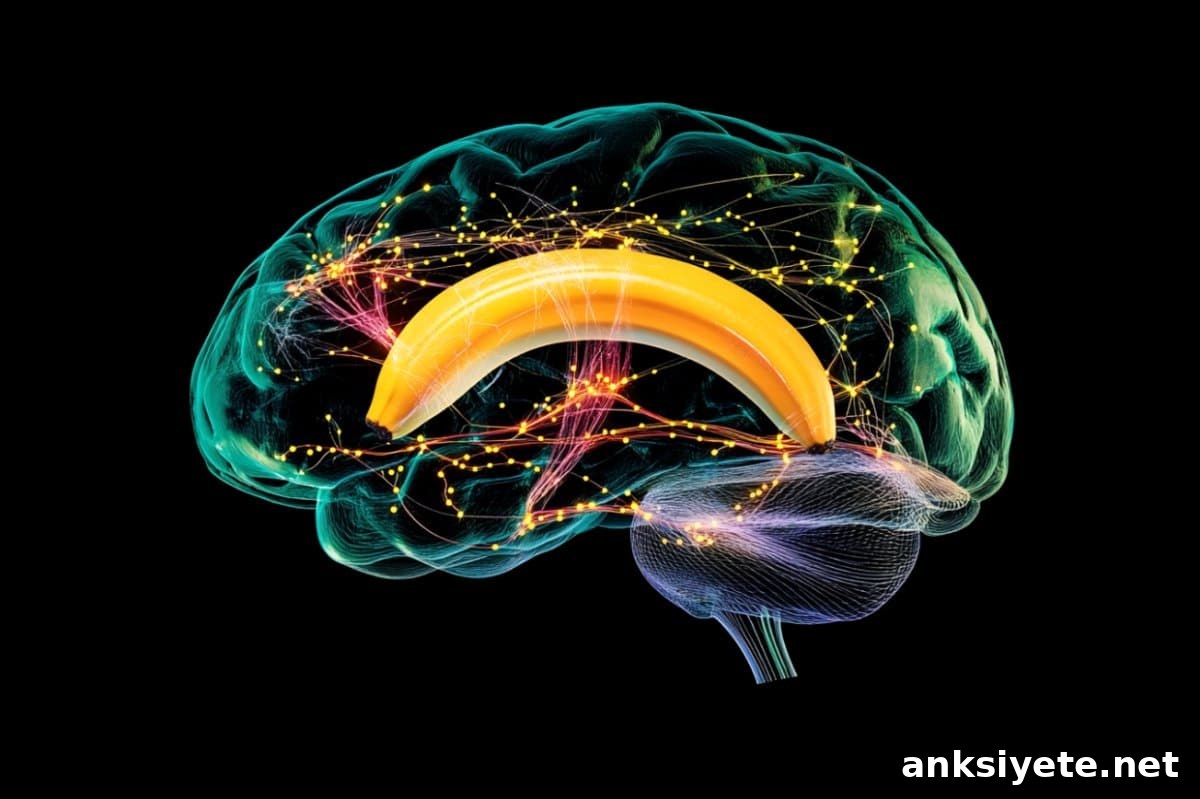
Summary: A new study reveals that remembering perceptual details about familiar objects—such as the typical color of a banana—depends on intact connections between the brain’s visual processing regions and language areas. Stroke patients whose white-matter pathways between these systems were disrupted showed weaker knowledge about object color and altered neural responses. Using functional MRI and … Read more

Depression Can Predict Chronic Pain Years in Advance

featured 110195

Summary: New research shows that many middle-aged and older adults who later develop persistent pain experience worsening depressive symptoms and increased loneliness for years before pain begins. The study found these emotional changes as much as eight years prior to pain onset, suggesting that mental health and social wellbeing may play an early and potentially … Read more

How Brain Gatekeepers Preserve Signals to Form Long-Term Memory

featured 110182

Summary: A new study shows that calcium ion channels in the brain do more than transmit signals—they can also store brief molecular memories. Researchers at Linköping University found that CaV2.1 channels at synapses can assume nearly 200 distinct conformations in response to electrical activity. Many of these shapes place the channel into a temporary “memory … Read more

Teach Recurrent Neural Networks Basic Skills to Improve Learning

featured 110178

Summary: Researchers at New York University demonstrate that artificial intelligence systems learn more effectively when they first master simple tasks. By training recurrent neural networks (RNNs) with a staged, “kindergarten curriculum” that begins with basic skills and then composes them into more complex behaviors, the team achieved faster, more robust performance on challenging decision-making tasks. … Read more

New Brain Switch Controls Synapses and Reveals Autism Link

featured 110174

Summary: A research team has identified a precise molecular “switch” that regulates NMDA receptors—central components of excitatory synaptic transmission—by preventing excessive synaptic activation. The study shows that MDGA2 and EphB2 compete to control receptor activation, with MDGA2 acting as a natural inhibitor of EphB2-driven NMDA receptor function. Using AI-driven protein structure prediction, researchers mapped the … Read more

Next Gen Painkiller Relieves Pain Without Addiction

featured 110170

Summary: SBI-810, an experimental non-opioid compound developed at Duke University School of Medicine, shows promise for providing strong pain relief without the addictive euphoria and dangerous side effects associated with traditional opioids. Unlike opioids that activate multiple intracellular pathways, SBI-810 selectively stimulates a single receptor signaling route linked to pain suppression, reducing the risk of … Read more

How the Snooze Button Disrupts REM Sleep

featured 110166

Summary: Despite advice from sleep specialists, many people habitually use their alarm’s snooze function. A large international analysis of Sleep Cycle app data from more than 21,000 users found that snoozing occurred in 56% of recorded sleep sessions. On average, people spent about 11 minutes snoozing each morning, while heavy users delayed waking for roughly … Read more