
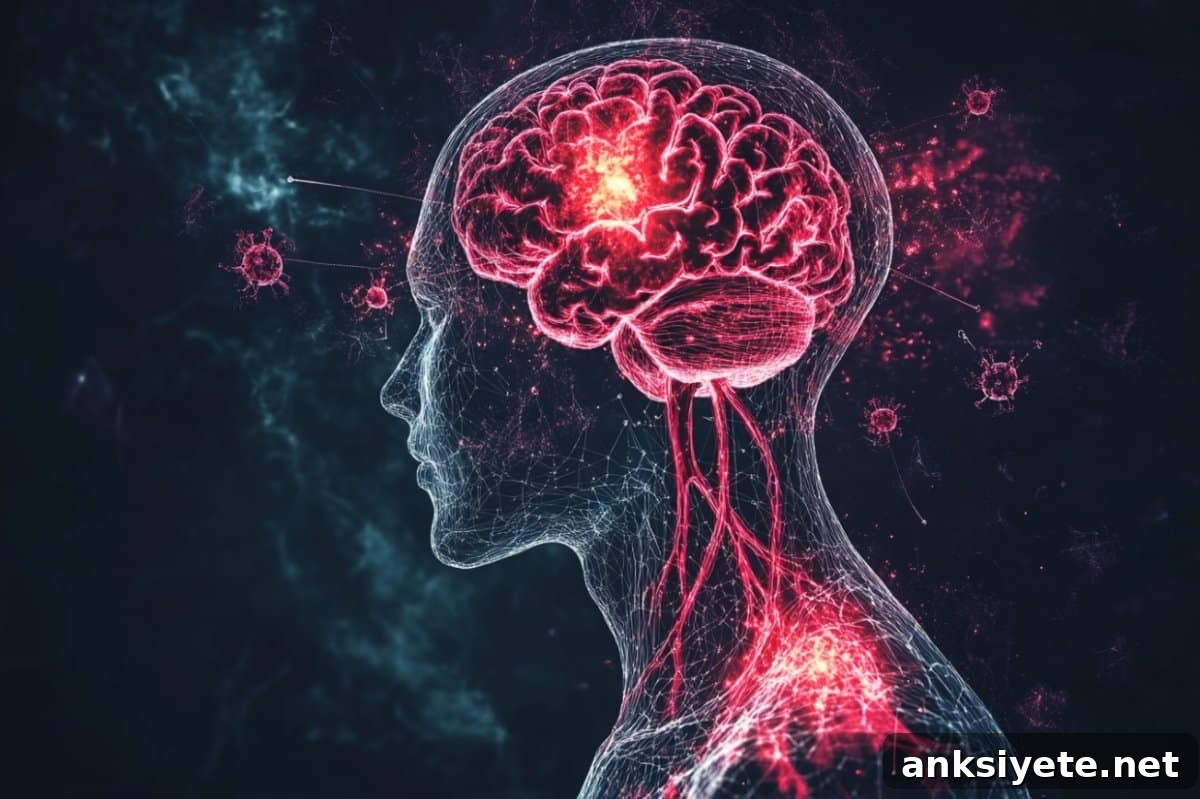
Summary: New research suggests that bacteria normally found in the mouth can migrate to the gut and may contribute to cognitive decline in people with Parkinson’s disease. Investigators detected harmful microbes and their toxins in the intestines of Parkinson’s patients with dementia, pointing to a possible connection between oral hygiene, gut microbiome changes, and neurodegeneration.
These microbial toxins could serve as biomarkers for predicting dementia risk and may reveal novel therapeutic targets. The study underscores the potential benefit of early interventions—such as improved dental care, nutritional strategies, and microbiome-directed therapies—to slow or modify disease progression.
Key Facts:
- Oral-to-gut translocation: Bacteria that normally live in the mouth can move into the gut in people with Parkinson’s, where they may trigger inflammation and tissue damage.
- Toxin biomarkers: Specific bacterial virulence factors and toxins are associated with cognitive decline and could act as early warning signs or treatment targets.
- Microbiome-based intervention: Maintaining oral health, a balanced diet, and possibly targeted probiotics may help delay or reduce dementia symptoms in Parkinson’s disease.
Source: King’s College London
Overview
Researchers led by King’s College London report a compelling link between the oral and gut microbiomes and the progression of cognitive impairment in Parkinson’s disease. While the gut-brain axis has been widely studied, this work emphasizes the underappreciated role of oral bacteria migrating to the gut and their potential influence on brain health.
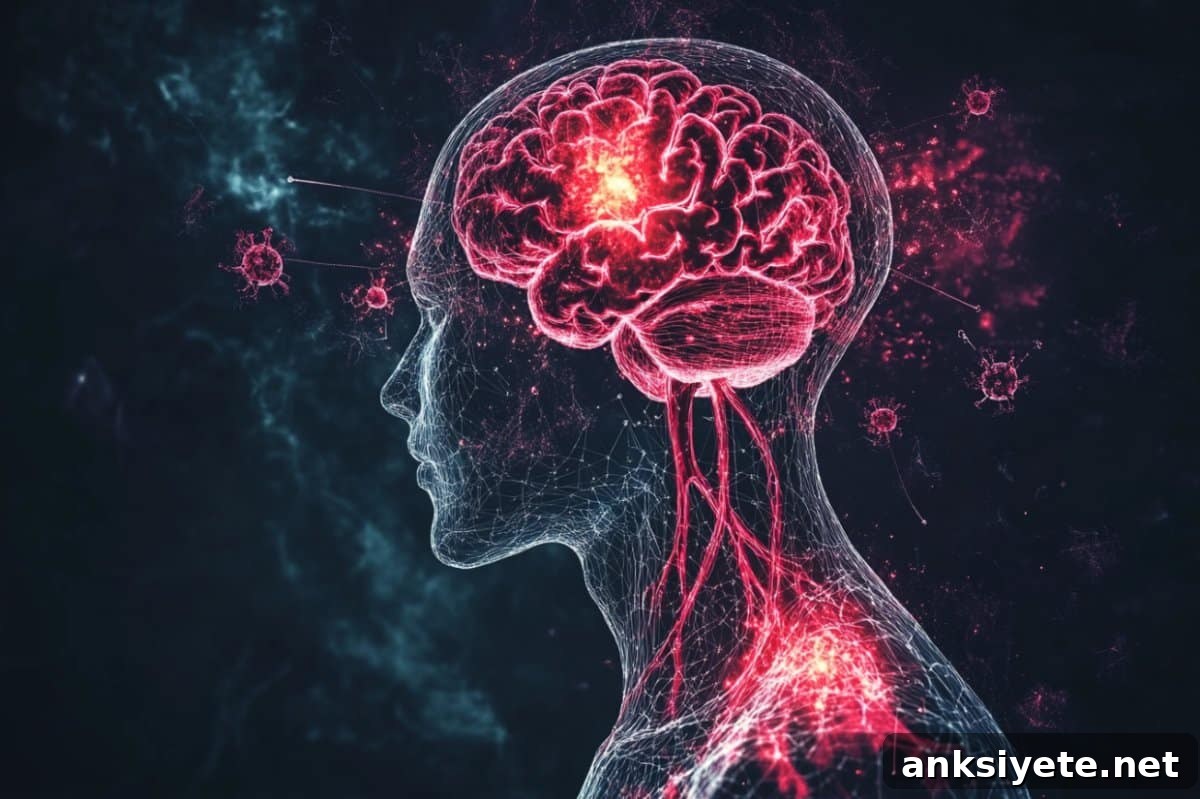
Parkinson’s disease is primarily recognized for its motor symptoms, but cognitive impairment—from mild memory problems to full dementia—is a common and disabling non-motor complication. Early detection of which patients are likely to progress to dementia is difficult because cognitive changes evolve gradually. This study seeks microbiome-based signals that could help identify high-risk patients earlier and suggest interventions to protect brain health.
The investigators analyzed 228 shotgun metagenomic samples from stool and saliva, comparing three groups: Parkinson’s patients with mild cognitive impairment (PD-MCI), patients with Parkinson’s-related dementia (PDD), and a healthy control cohort. They observed distinct differences in both microbial composition and functional potential across these groups.
Notably, people with cognitive impairment had increased abundance of bacteria in the gut that are normally associated with the mouth. This oral-gut translocation appears to raise levels of virulence factors—microbial molecules capable of damaging gut tissue and provoking inflammation. Such chronic inflammation and immune activation are plausible mechanisms that could influence brain endothelial cells and neuronal health.
Dr Saeed Shoaie, who leads the Quantitative Systems Biology Lab at King’s College London, commented that disruptions in the gut-brain axis can spark inflammatory and immune responses contributing to neuronal damage. He noted that some oral bacteria, such as Porphyromonas gingivalis, have already been implicated as potential contributors in other neurodegenerative conditions like Alzheimer’s disease.
First author Dr Frederick Clasen explained that the team cannot yet definitively say whether these bacteria cause cognitive decline or whether Parkinson’s-related changes in the body permit these microbes to expand. However, the association and the detection of specific toxins strengthens the case that microbial activity within the gut may actively worsen cognitive symptoms in some patients.
The researchers used artificial intelligence and machine-learning approaches to integrate metagenomic, metaproteomic, and clinical data. These methods helped identify microbial species and functional signatures—including virulence factors—that were not readily apparent through standard analyses. The machine-learning models linked particular toxins to cognitive decline, suggesting their potential use as biomarkers to stratify patients by dementia risk.
Beyond diagnostics, the study points toward possible interventions. Consistent oral care, maintaining good nutrition, and strategies to support a balanced gut microbiome—such as dietary modification or targeted probiotic therapies—may reduce the abundance or activity of harmful microbes and their toxins. Such approaches could form part of comprehensive care plans to slow cognitive decline in Parkinson’s.
Future research will focus on clarifying whether these oral-origin bacteria and their virulence factors directly alter brain function, and whether modifying the oral or gut microbiome can change patient outcomes. Longitudinal studies and clinical trials will be needed to test whether microbiome-targeted interventions can delay or prevent progression to dementia in Parkinson’s disease.
About this research
Author: Tanya Wood ([email protected])
Source: King’s College London
Contact: Tanya Wood – King’s College London
Image: Image credited to Neuroscience News
Original Research: Open access. “Microbiome signatures of virulence in the oral-gut-brain axis influence Parkinson’s disease and cognitive decline pathophysiology” by Saeed Shoaie et al., published in Gut Microbes. DOI: 10.1080/19490976.2025.2506843
Abstract (summary)
This study generated and analyzed 228 shotgun metagenomic samples from the gut and oral microbiomes of Parkinson’s patients with mild cognitive impairment, patients with dementia, and healthy controls. The authors identified compositional and functional microbiome signatures, highlighted the role of pathobionts and disrupted metabolic pathways, and emphasized oral-gut translocation as a driver of increased virulence factor abundance. Integration with saliva metaproteomics suggested these microbial signatures could contribute to dysfunctions in host immunity and brain endothelial cells. The findings underscore the importance of the oral-gut-brain axis and its potential for revealing biomarkers and therapeutic targets in Parkinson’s disease and cognitive impairment.