
Summary: A new rat study shows that a maternal diet high in high-fructose corn syrup during pregnancy produces lasting learning and memory deficits in offspring. The research demonstrates that prenatal fructose exposure directly alters fetal neural stem cells (NSCs)—the master cells responsible for neurogenesis—creating persistent epigenetic changes that impair brain development into adulthood.
By analyzing fetal brains and isolated NSCs, the investigators found distinct chemical modifications on DNA that silence genes essential for healthy neurodevelopment. These epigenetic marks form a durable biological record of maternal diet, locking in gene expression patterns that reduce neuronal production and undermine cognitive function long after birth.
Key Findings
- Adult cognitive deficits: Offspring of rats fed high-fructose corn syrup during pregnancy showed significantly poorer performance on standardized learning and spatial memory tests compared with controls, indicating the effects persist into adulthood.
- Reduced neurogenesis: The formation of new neurons from NSCs was markedly suppressed in brain regions involved in memory and learning, including hippocampal areas critical for information storage and retrieval.
- NSC dysfunction: Isolated neural stem cells from fructose-exposed fetuses displayed structural and functional defects: reduced proliferation, impaired differentiation into mature neurons, and broad dysregulation of gene expression.
- Persistent epigenetic changes: Prenatal fructose intake induced stable chemical tags on DNA in fetal NSCs. These epigenetic alterations persisted into adulthood and selectively repressed genes required for adult neurogenesis.
- Reversible at the cellular level: Using targeted molecular interventions to restore normal expression of the silenced genes, researchers were able to rescue NSC proliferation and neurogenic capacity in the affected cells, demonstrating potential targets for therapeutic repair.
- Implications for maternal nutrition: While human studies are needed to confirm similar mechanisms in people, the findings raise concern that brief dietary imbalances during pregnancy can leave lasting molecular imprints on fetal neural stem cells, with potential consequences for offspring brain development and cognitive health.
Source: ISSCR
Nutritional imbalance during pregnancy can have long-lasting effects on offspring health and disease susceptibility. High fructose intake from sweetened foods and beverages during pregnancy has been linked to greater risk of metabolic conditions such as diabetes and cardiovascular disease, and growing evidence associates maternal sugar consumption with adverse neurodevelopmental and cognitive outcomes in children.
The cellular and molecular basis for how early-life fructose exposure produces long-term effects has been poorly understood. This study addresses that gap by focusing on neural stem cells as a potential cellular origin for persistent neurodevelopmental changes.
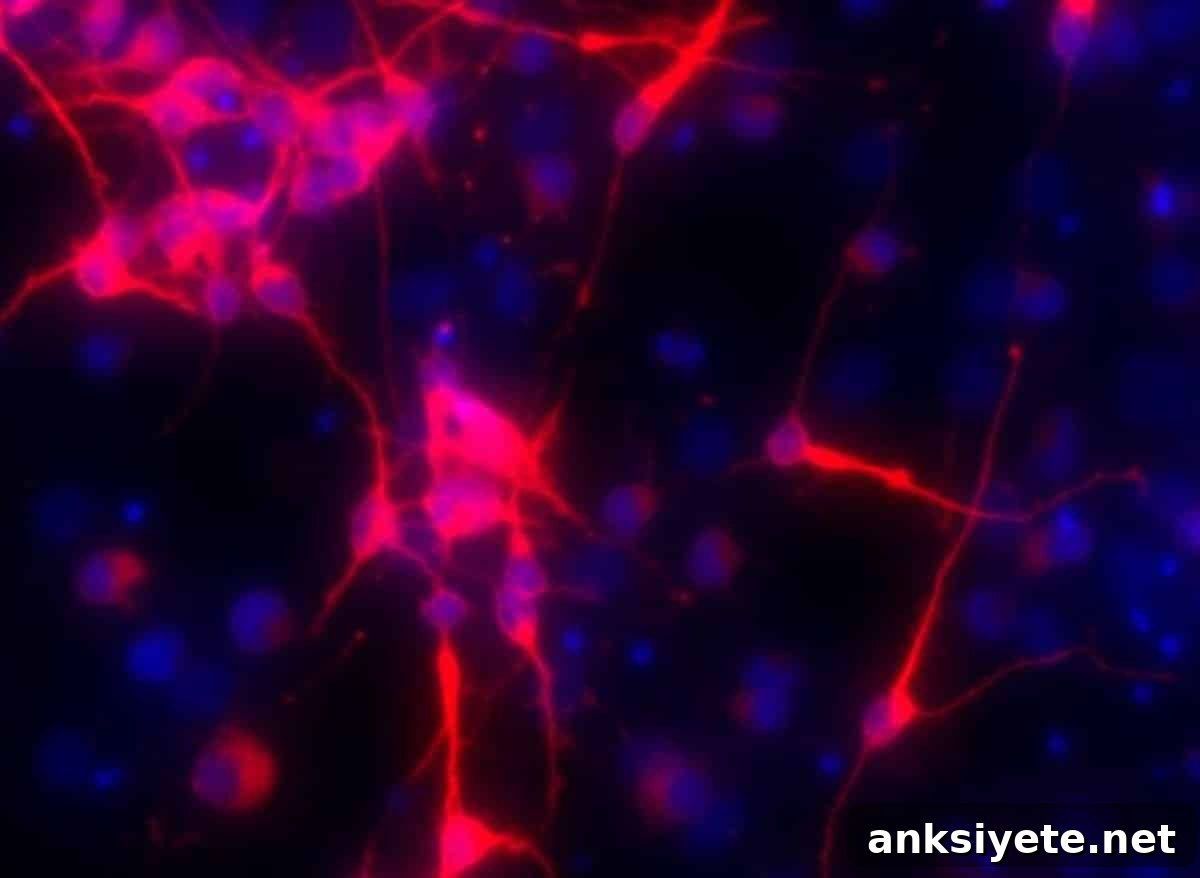
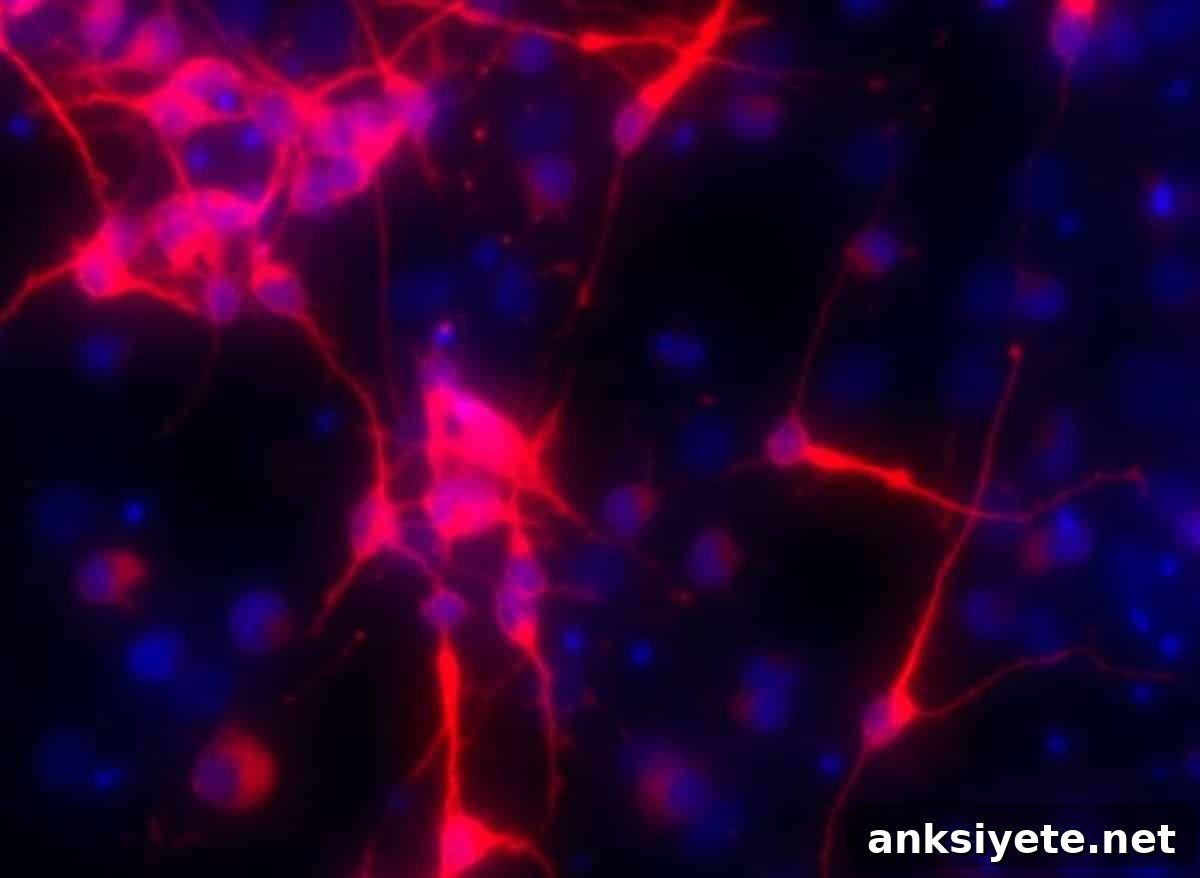
Published in Stem Cell Reports, the study by Hiroya Yamada and colleagues at Fujita Health University School of Medicine in Toyoake, Japan, reports that adult rats previously exposed in utero to high-fructose corn syrup displayed impaired learning and memory. Detailed analyses revealed that neurogenesis in brain regions governing cognition was reduced, and fetal and adolescent hippocampal NSCs retained persistent dysfunction and transcriptional dysregulation.
Mechanistic investigation implicated epigenetic alterations as the link between transient prenatal dietary stress and lasting NSC dysfunction. Specifically, prenatal high-fructose exposure caused durable changes in DNA methylation and other epigenetic marks that repressed genes needed for neurogenic capacity. Notably, the researchers found transient downregulation of DNA methyltransferase 3A in fetal NSCs was associated with sustained suppression of secreted phosphoprotein 1, which encodes intracellular osteopontin (iOPN). Experimental overexpression of iOPN partially restored NSC function, supporting a causal relationship.
These findings illustrate a developmental origins framework in which stem cells retain epigenetic traces of early-life stressors, potentially shaping organ development and disease risk later in life. While epidemiological data in humans point to similar correlations between maternal diet and offspring cognitive outcomes, further research is required to determine whether human NSCs respond to high fructose and other environmental stressors in the same way.
“Our study suggests that neural stem cells may retain a biological memory of maternal nutrition during pregnancy,” said Dr. Yamada. “This may help explain how a transient prenatal dietary imbalance can cause long-lasting changes in brain development and function.”
Key Questions Answered
A: The study indicates fetal neural stem cells record maternal diet via epigenetic modifications—chemical tags on DNA that alter gene activity without changing the underlying genetic code. High levels of prenatal fructose create stable epigenetic marks that silence genes required for normal NSC division and neuron production. These marks persist into adulthood, reducing the brain’s ability to produce new cells involved in memory.
A: Epigenetic changes are chemical modifications on DNA or associated proteins that regulate whether genes are active or silent. In this study, prenatal fructose exposure imposed epigenetic “brakes” on genes needed for neurogenesis. Because these modifications can persist through development, they provide a mechanism by which a temporary prenatal exposure produces lasting effects on brain function.
A: At the cellular level, yes. The researchers demonstrated that restoring normal expression of the repressed genes in affected NSCs rescued their ability to proliferate and generate new neurons. This result points to potential molecular targets for future therapeutic approaches, though translating such strategies to whole animals or humans will require additional research.
Editorial Notes
- This article was edited by a Neuroscience News editor.
- Journal paper reviewed in full.
- Additional context added by editorial staff.
About this genetics and neurodevelopment research news
Author: Kym Kilbourne
Source: ISSCR
Contact: Kym Kilbourne – ISSCR
Image credit: Itsuki Kageyama and Hiroya Yamada, Fujita Health University School of Medicine
Original Research: Open access. “Neural stem cells as potential mediators of prenatal dietary stress through epigenetic mechanisms” by Eiji Munetsuna et al., Stem Cell Reports. DOI: 10.1016/j.stemcr.2026.102996
Abstract
Neural stem cells as potential mediators of prenatal dietary stress through epigenetic mechanisms
The developmental origins of health and disease (DOHaD) hypothesis suggests that environmental exposures during development can induce long-term health effects, yet the cellular origin of such persistence remains unclear.
This study proposes that neural stem cells (NSCs) can acquire lasting dysfunction following prenatal dietary stress, potentially via epigenetic mechanisms that link maternal nutrition to neurocognitive outcomes. In a rat model of maternal high-fructose corn syrup intake, offspring exhibited hippocampus-dependent memory deficits and reduced neurogenesis. NSCs from fetal and adolescent hippocampi showed persistent functional impairment and transcriptomic dysregulation.
Mechanistically, transient downregulation of DNA methyltransferase 3A in fetal NSCs was associated with sustained repression of secreted phosphoprotein 1, which encodes intracellular osteopontin (iOPN). Overexpression of iOPN partially restored NSC function, supporting a potential causal link. The findings support a DOHaD framework in which stem cells with lasting epigenetic alterations may retain traces of early-life stress, with implications for organ development and later disease risk.