
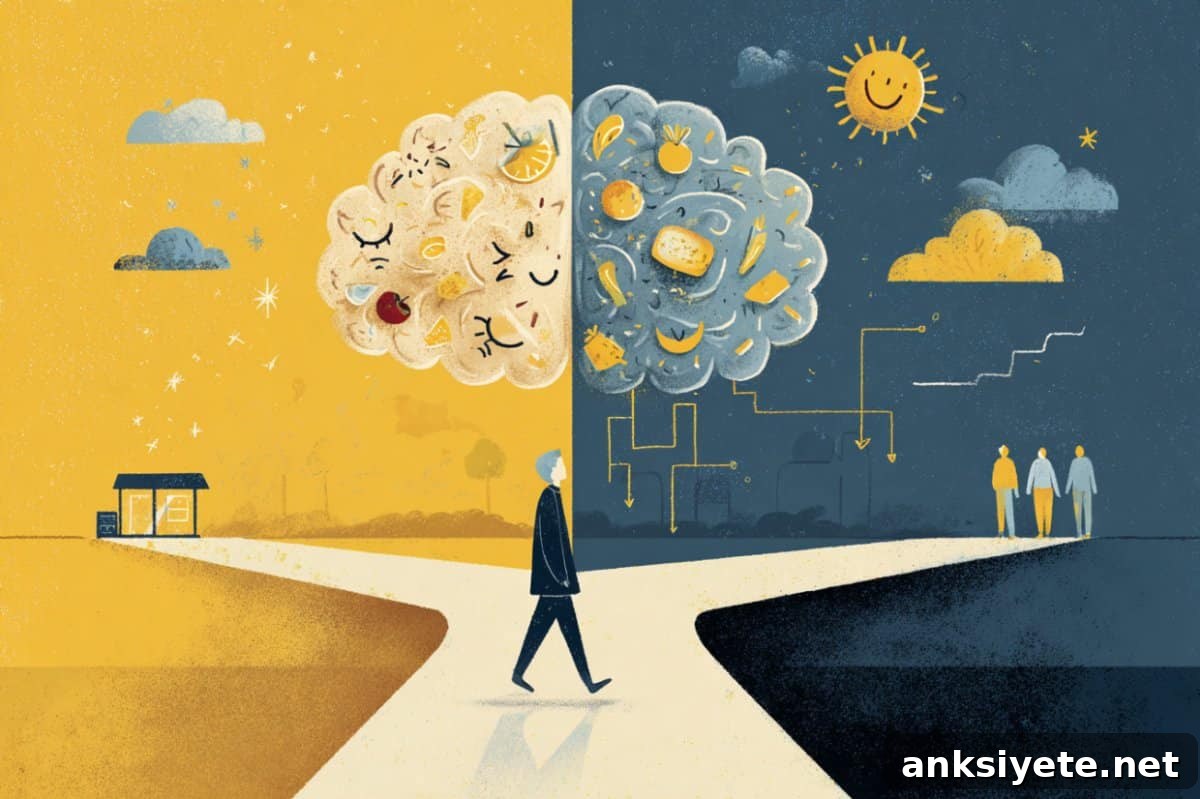
Summary: New research from the University of Florida links brain health closely to everyday lifestyle choices. Using MRI scans and machine learning to estimate an individual’s “brain age,” researchers found that positive habits—such as optimistic thinking, restorative sleep, social support and effective stress management—were associated with brains that appeared years younger than participants’ chronological ages. The study tracked mostly middle-aged and older adults, many living with chronic musculoskeletal pain, and showed that these protective behaviors correlated with slower brain aging over a two-year period.
MRI analyses indicated that participants with the greatest number of protective lifestyle factors had brains up to eight years younger than expected. The findings suggest that concrete, modifiable behaviors can measurably slow whole-brain aging and build resilience, even among people facing chronic pain and other risk factors.
Key Facts
- Brain Age Gap: The difference between an MRI-predicted “brain age” and actual chronological age serves as a whole-brain health indicator.
- Protective Factors: Restorative sleep, optimism, social support, stress management, healthy weight and avoiding tobacco were tied to younger-looking brains.
- Measurable Impact: Participants reporting the most protective behaviors had brains up to eight years younger and showed slower brain aging over two years.
Source: University of Florida
Your calendar age may read 65, but your brain can function like that of someone a decade younger or older depending on life experience and behavior.
University of Florida researchers found that everyday habits and psychosocial resources strongly predict differences in brain aging. “These are things people can influence,” said Jared Tanner, Ph.D., a research associate professor of clinical and health psychology at UF and a study co-leader. “You can learn to reframe stress, address poor sleep, and practice optimism.”
The research followed 128 middle-aged and older adults, most of whom reported chronic knee-related pain or were at risk for knee osteoarthritis, over two years. Structural MRI scans were processed with a machine learning tool (DeepBrainNet) to estimate brain age, and those estimates were compared with participants’ actual ages to calculate a brain age gap, a summary measure of whole-brain health.
Social and economic risks—such as higher pain burden, low income, less education and other socioenvironmental stressors—correlated with older-appearing brains. However, the strongest and most consistent signals involved behavioral and psychosocial protective factors. Sleep quality, perceived social support, optimism, stress management, healthy waist size and not smoking were among the protective elements linked to lower brain age.
At the study’s start, people reporting the greatest number of protective factors had brains roughly eight years younger than their chronological age. Over the two-year follow-up, those same participants experienced slower brain aging compared with peers who reported fewer protective behaviors.
“Health-promoting behaviors appear to reduce pain and improve physical function while also providing additive neurobiological benefits,” said Kimberly Sibille, Ph.D., associate professor of physical medicine and rehabilitation at UF and the study’s senior author. “Our results reinforce the idea that lifestyle is medicine: multiple small protective behaviors combine to protect the brain.”
About this brain aging research news
Author: Eric Hamilton
Source: University of Florida
Contact: Eric Hamilton – University of Florida
Image: Image credited to Neuroscience News
Original Research: Closed access. “More than chronic pain: behavioral and psychosocial protective factors predict lower brain age in adults with/at risk for knee osteoarthritis over two years” by Jared Tanner et al., published in Brain Communications.
Abstract (summary)
More than chronic pain: behavioral and psychosocial protective factors predict lower brain age in adults with/at risk for knee osteoarthritis over two years
The relationship between chronic musculoskeletal pain and brain aging is multifaceted. Prior machine learning studies often show that higher chronic pain severity coincides with an older predicted brain age. However, earlier analyses have not always accounted for socioenvironmental risk or the role of behavioral and psychosocial protective factors. This study explored how chronic pain stage, socioenvironmental risk, and protective behaviors jointly relate to brain aging.
The cohort included 197 adults (68 men, 129 women), mostly reporting knee pain and with or at risk for osteoarthritis. A longitudinal subset of 128 participants (41 men, 87 women) completed a two-year follow-up MRI and were included in the longitudinal analysis. Participants were aged 45–85 and identified as non-Hispanic Black or non-Hispanic White. Researchers gathered demographic and health history data, pain severity measures, individual and community socioenvironmental variables (education, income, household size, marital and insurance status, and area deprivation index), and behavioral/psychosocial measures (tobacco use, waist circumference, optimism, affect, perceived stress, social support, sleep).
Structural MRI data were processed using a machine learning model to estimate brain age. Cross-sectional analyses used regression and ANOVA methods; longitudinal change was assessed with linear mixed models.
Results showed that higher chronic pain stage and greater socioenvironmental risk associated with an increased brain age gap—participants with higher socioenvironmental risk had brains about three years older than those with lower risk. Conversely, having more behavioral and psychosocial protective factors correlated with a lower brain age gap; participants with more protective factors had brains more than three years younger than those with fewer. Longitudinally, higher baseline protective factors predicted lower brain age over two years, even after accounting for chronic pain and socioenvironmental risk.
Overall, the findings indicate that behavioral and psychosocial protective factors may counteract neurobiological aging and help buffer the brain against the effects of chronic pain.