
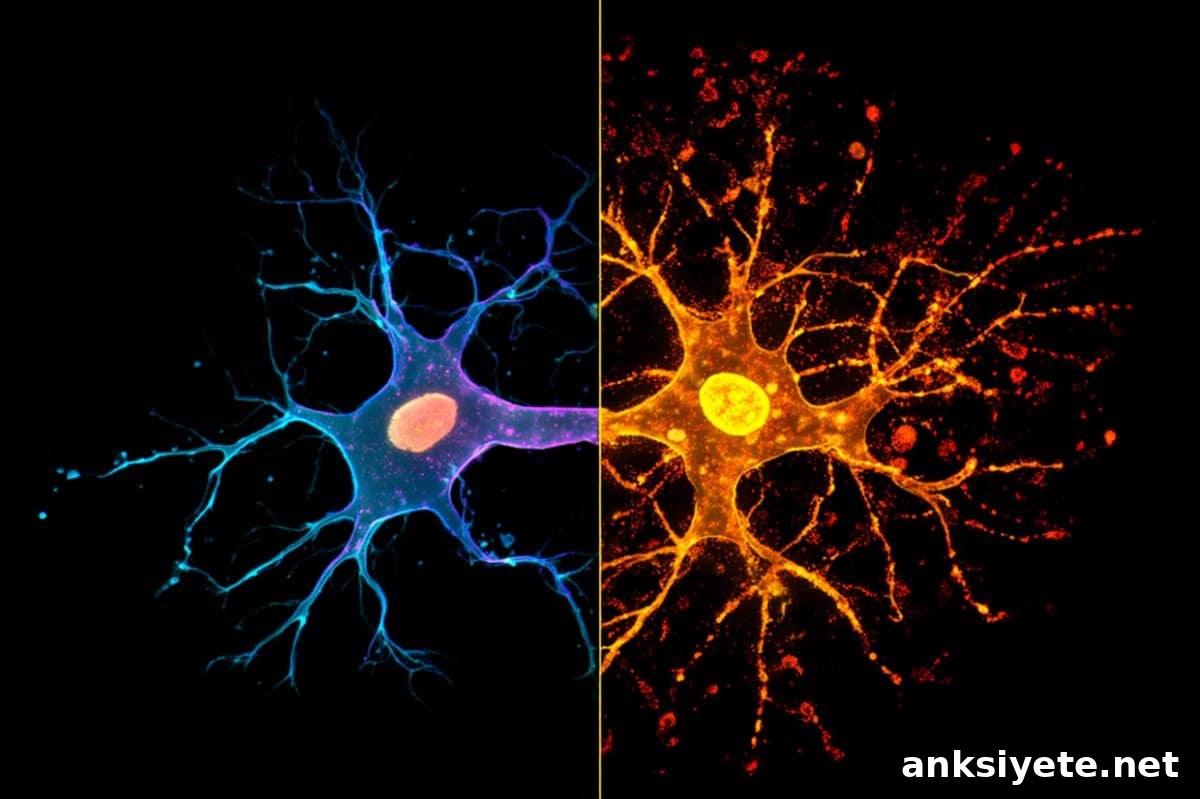
Summary: New research shows that the brain’s susceptibility to inflammatory and degenerative disorders—such as multiple sclerosis, Alzheimer’s disease, and other forms of dementia—can be set early in life. Scientists discovered a developmental “switch” in astrocytes, the brain’s most abundant support cells, controlled by the NR3C1 gene. This switch epigenetically programs astrocytes to restrain immune responses in adulthood; if the switch fails, immune-related genes remain primed and the brain can overreact to inflammatory triggers later in life.
The study links early-life epigenetic programming to long-term brain health, identifying NR3C1 (which encodes the glucocorticoid receptor) as a central regulator of an early-postnatal window that establishes lasting immune restraint in astrocytes. The findings point to a critical developmental period that influences lifelong vulnerability to neuroinflammatory and neurodegenerative disorders and suggest potential therapeutic angles for treating immune-related brain disease.
Key Facts
- Astrocyte switch: NR3C1 governs an early developmental program that limits later-life astrocyte immune activity.
- Epigenetic memory: When NR3C1 is absent during that early window, regulatory regions of immune genes remain open and poised for activation, producing exaggerated inflammatory responses in adulthood.
- Clinical relevance: The mechanism connects early astrocyte programming with increased risk or severity of conditions such as multiple sclerosis, Alzheimer’s disease, and other dementias.
Source: KAIST
Why does a person who is healthy in childhood sometimes become vulnerable to brain disorders later in life?
A research team led by KAIST (President Kwang Hyung Lee) has uncovered a partial answer: an early developmental “switch” in astrocytes that sets the sensitivity of the brain’s immune responses for life. Astrocytes influence inflammation, neuronal support, and repair. By identifying how astrocyte identity and immune restraint are established, the study explains how early events can shape susceptibility to neuroinflammatory and degenerative disease decades later.
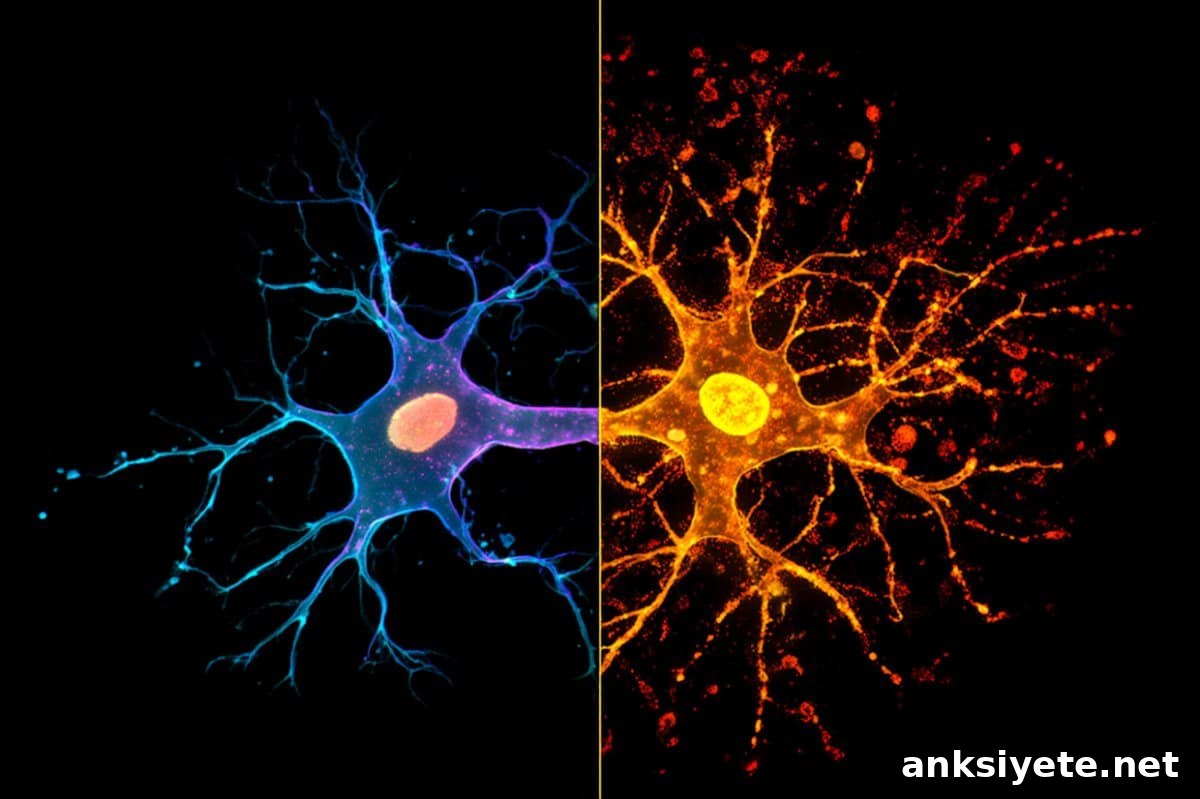
The study identifies NR3C1 as a master regulator of this developmental switch. The gene encodes the glucocorticoid receptor and acts within a defined early-postnatal period to establish an epigenetic program that keeps astrocytic immune genes repressed under normal conditions. If NR3C1 is lost during that critical window, the chromatin landscape of these cells remains in a more open, receptive state, leaving immune genes primed and ready to over-respond to later triggers.
The research was performed by a joint team led by Professor Inkyung Jung (Department of Biological Sciences, KAIST) and Associate Director Won-Suk Chung (Center for Vascular Research, Institute for Basic Science; Professor, KAIST Biological Sciences). Using mouse models, the investigators profiled gene-regulatory programs across multiple developmental stages of astrocytes and identified 55 stage-specific transcription factors that coordinate maturation. NR3C1 emerged as the critical factor associated with early postnatal maturation and long-term immune restraint.
To build a detailed regulatory map, the team combined three-dimensional epigenome profiling, RNA sequencing, and chromatin accessibility assays. Those techniques reveal not just which genes are expressed, but how DNA folding and long-range regulatory contacts determine gene activity. The integrated approach allowed identification of the regulatory elements and transcription factors that act at each developmental stage.
Importantly, deleting NR3C1 specifically in astrocytes did not cause gross developmental abnormalities in the mice. However, when adults lacking astrocytic NR3C1 were subjected to an experimental autoimmune encephalomyelitis (EAE) model—a widely used mouse model for multiple sclerosis—these animals mounted exaggerated inflammatory responses and developed more severe disease. Mechanistically, the researchers found that early NR3C1 loss keeps cis-regulatory elements at immune-response genes in an accessible state, effectively “priming” astrocytes to respond excessively to inflammatory cues later on.
“This is the first demonstration that astrocyte immune functions are governed by epigenetic memory,” said Professor Won-Suk Chung. “Our findings provide new insight into the developmental origins of degenerative brain disorders, including Alzheimer’s disease, and point toward developmental windows that may be targeted to reduce later-life vulnerability.”
“We reveal a temporal regulatory window in astrocyte development that can set the stage for disease vulnerability in adulthood,” added Professor Inkyung Jung. “Mapping the three-dimensional genome logic behind these programs could open new paths to therapies for immune-related brain disorders such as multiple sclerosis.”
The study was published online on September 22 in the international journal Nature Communications. Co-first authors include Dr. Seongwan Park and PhD student Hyeonji Park from KAIST’s Department of Biological Sciences. Funding was provided by the Suh Kyungbae Science Foundation, the Ministry of Health and Welfare, the Ministry of Science and ICT, and the Institute for Basic Science (IBS).
About this genetics, neurology, and neurodevelopment research news
Author: JEEHYUN LEE
Source: KAIST
Contact: JEEHYUN LEE – KAIST
Image: The image is credited to Neuroscience News
Original Research: Open access.
“NR3C1-mediated epigenetic regulation suppresses astrocytic immune responses in mice” by Inkyung Jung et al., published in Nature Communications.
Abstract
NR3C1-mediated epigenetic regulation suppresses astrocytic immune responses in mice
Astrocytes play essential roles in brain health and disease, yet the mechanisms that make them selectively vulnerable remain incompletely understood. This study demonstrates that NR3C1 is a key regulator of early postnatal astrocyte development and establishes long-term control over astrocytic immune responses in mice. Integrative analyses of gene expression, chromatin accessibility, and long-range chromatin interactions identified 55 stage-specific transcription factors, with NR3C1 uniquely associated with early maturation. Although astrocyte-specific NR3C1 deletion did not produce obvious developmental defects, mice lacking NR3C1 in astrocytes were more susceptible to exacerbated immune responses after adult-onset experimental autoimmune encephalomyelitis. Many dysregulated genes in the disease state are linked to cis-regulatory elements altered by early NR3C1 loss, driving exaggerated inflammatory responses. Notably, depletion of NR3C1 during the early developmental window—but not later—induces durable epigenetic reprogramming that primes astrocytic immune activity.