
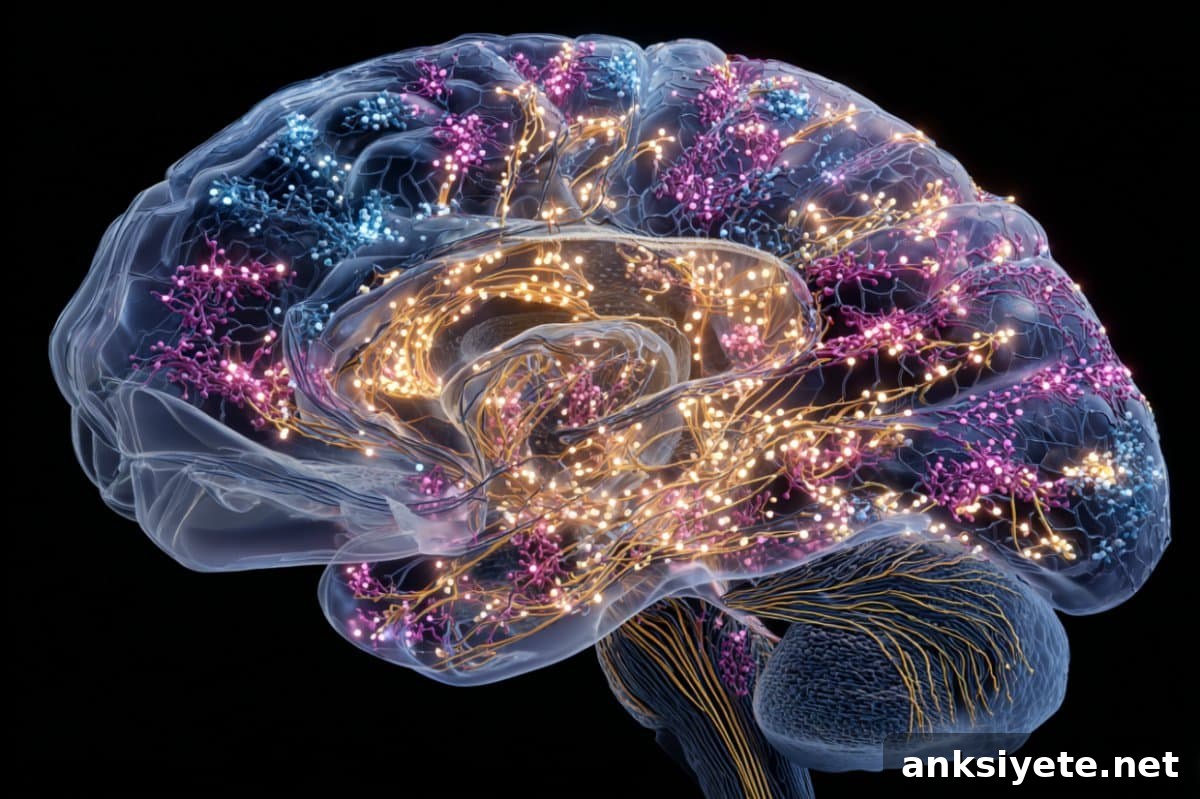
Summary: A new single-cell study maps molecular changes in brains affected by post-traumatic stress disorder (PTSD), revealing distinct cell-type specific alterations that may drive symptoms. Researchers analyzed the dorsolateral prefrontal cortex—an area central to emotional regulation—comparing single-nucleus data from individuals with PTSD, major depressive disorder (MDD), and unaffected controls to identify disrupted communication pathways and potential therapeutic targets.
Using postmortem human tissue and cutting-edge single-cell transcriptomic and epigenomic methods, the team examined how individual cell types differ across conditions. Their findings point to weakened inhibitory neuron signaling in PTSD, contrasting patterns of immune-cell activity between PTSD and depression, and vascular cell dysfunction that could increase exposure of the brain to stress hormones—all insights that refine our understanding of PTSD biology.
Key Facts:
- Inhibitory neuron disruption: PTSD brains show reduced signaling from inhibitory (GABAergic) neurons, which normally restrain overactivity in neural circuits. This loss of inhibition may underlie hyperexcitable states linked to hyperarousal and nightmares.
- Opposing microglial signatures: Microglia, the brain’s resident immune cells, display increased communication activity in MDD but decreased activity in PTSD, a difference that helps distinguish the two disorders at a molecular level.
- Endothelial and stress-hormone links: Endothelial cells in PTSD brains carry gene-expression changes consistent with vascular dysfunction, which could allow greater entry of stress hormones into neural tissue and worsen trauma-related symptoms.
- Therapeutic pathways identified: The study highlights gene pathways tied to glucocorticoid signaling, GABAergic transmission, and neuroinflammation that may be amenable to targeted drug development for PTSD.
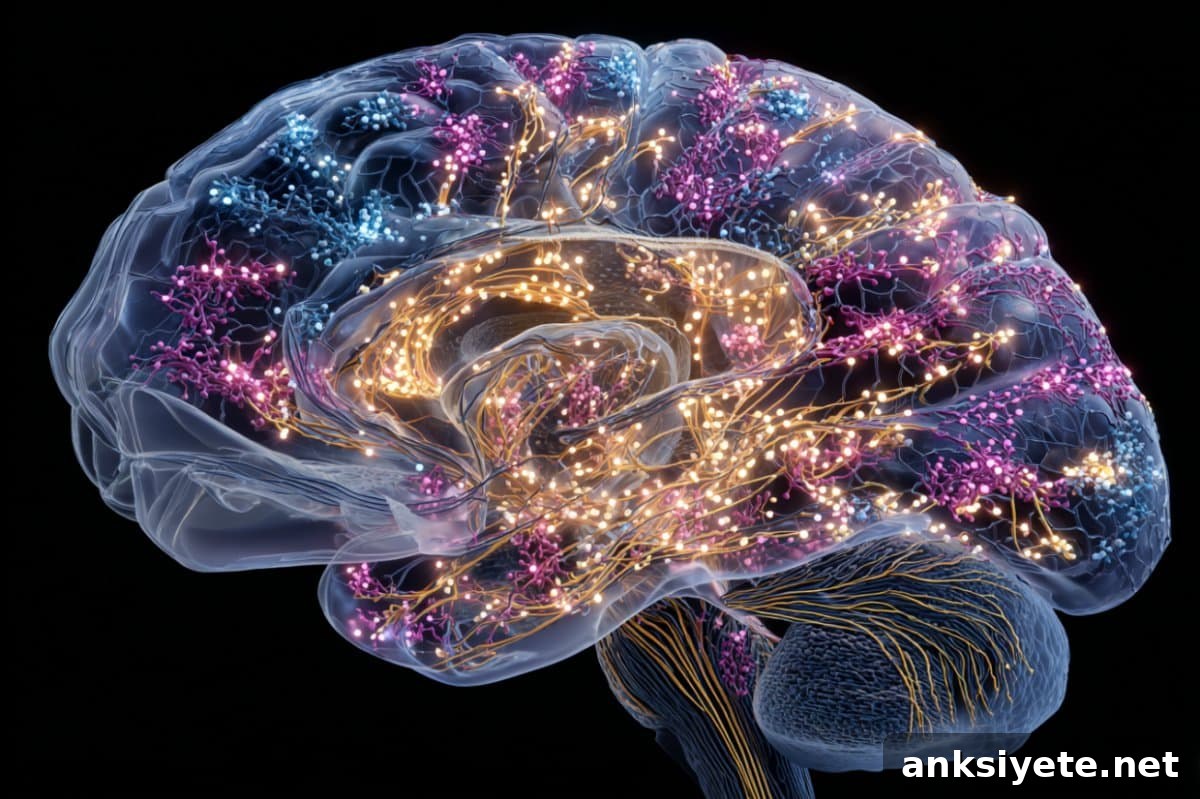
Advances in single-nucleus sequencing now allow scientists to study gene expression and chromatin states within individual cells. Led by Matthew Girgenti, PhD, assistant professor of psychiatry at Yale School of Medicine, the research team applied these methods to more than two million nuclei from the dorsolateral prefrontal cortex of 111 human brains, including donors with PTSD, with major depressive disorder, and without psychiatric diagnoses.
The dorsolateral prefrontal cortex was chosen because it plays a central role in executive functions and emotional regulation. By isolating nuclei and profiling both transcriptomes and epigenomic marks, the researchers characterized neuronal and non-neuronal cell clusters, mapped gene-expression changes and transcriptional regulators, and identified regulatory elements tied to PTSD in a cell-type-specific way.
Cell-specific alterations linked to PTSD and MDD
One of the clearest signals in PTSD brains involved inhibitory neurons—cells that fine-tune cortical activity. Reduced communication from these inhibitory interneurons may leave cortical circuits unchecked, producing a hyperexcitable prefrontal cortex that can exacerbate PTSD symptoms such as heightened arousal and intrusive memories. The study confirmed disruptions in key inhibitory markers, for example changes to genes like SST that are important for interneuron function.
Microglial behavior differentiated PTSD from MDD. In MDD, microglia exhibited signatures of increased activity and intercellular communication, consistent with a pro-inflammatory state. In contrast, microglia in PTSD brains showed relative underactivity. This opposing pattern suggests divergent immune-related mechanisms, which may explain some clinical differences between the disorders and point to distinct intervention strategies.
Endothelial cells also emerged as altered in PTSD, with transcriptional changes related to vascular function and glucocorticoid signaling. Because stress hormones travel through the bloodstream, endothelial dysfunction could alter how much hormone reaches brain tissue, linking peripheral stress responses to central nervous system vulnerability.
Implications for treatment and future research
By integrating genetic, transcriptomic and epigenetic data, the investigators pinpointed regulatory mechanisms for credible PTSD-associated variants in genes such as ELFN1, MAD1L1 and KCNIP4 in a cell-type-specific context. These results highlight molecular pathways—particularly glucocorticoid signaling, GABAergic transmission and neuroinflammation—that could be targeted with more precise treatments designed for PTSD rather than relying on broadly prescribed antidepressants.
Girgenti and colleagues emphasize that these discoveries were only possible by analyzing individual cells. The next steps include testing drugs that can reverse the identified molecular changes and expanding single-cell studies to other brain regions implicated in stress responses, such as the hypothalamus, which controls hormone release.
Funding: This work was supported by the Department of Veterans Affairs, the Brain and Behavior Research Foundation, the American Foundation for Suicide Prevention, the State of Connecticut’s Department of Mental Health and Addiction Services, the National Institutes of Health (awards R01AA031017, DP1DA060811, R01NS128523, R01HG012572), and Yale University. The content is the responsibility of the authors and does not necessarily represent official NIH views.
About this research and source
Author: Isabella Backman (Yale)
Source: Yale
Contact: Isabella Backman – Yale
Image: Image credited to Neuroscience News
Original Research: Open access. “Single-cell transcriptomic and chromatin dynamics of the human brain in PTSD” by Matthew Girgenti et al., published in Nature. The study provides a comprehensive, cell-type-specific characterization of how traumatic stress reshapes the human prefrontal cortex at the molecular level.
Abstract (summary): PTSD is a polygenic disorder that arises after severe trauma. Profiling over two million nuclei from the dorsolateral prefrontal cortex of 111 human brains, the study identifies neuronal and non-neuronal cell-type clusters, gene expression changes, transcriptional regulators, and epigenomic features tied to PTSD. The analysis reveals alterations in inhibitory neurons, endothelial cells and microglia and uncovers pathways associated with glucocorticoid signaling, GABAergic transmission and neuroinflammation. Cell-type-specific spatial transcriptomics validated disruption of key genes such as SST and FKBP5. Integrating genetic, transcriptomic and epigenetic evidence, the work maps regulatory mechanisms by which credible genetic variants affect PTSD genes, providing a detailed molecular framework to guide future therapeutic development.