
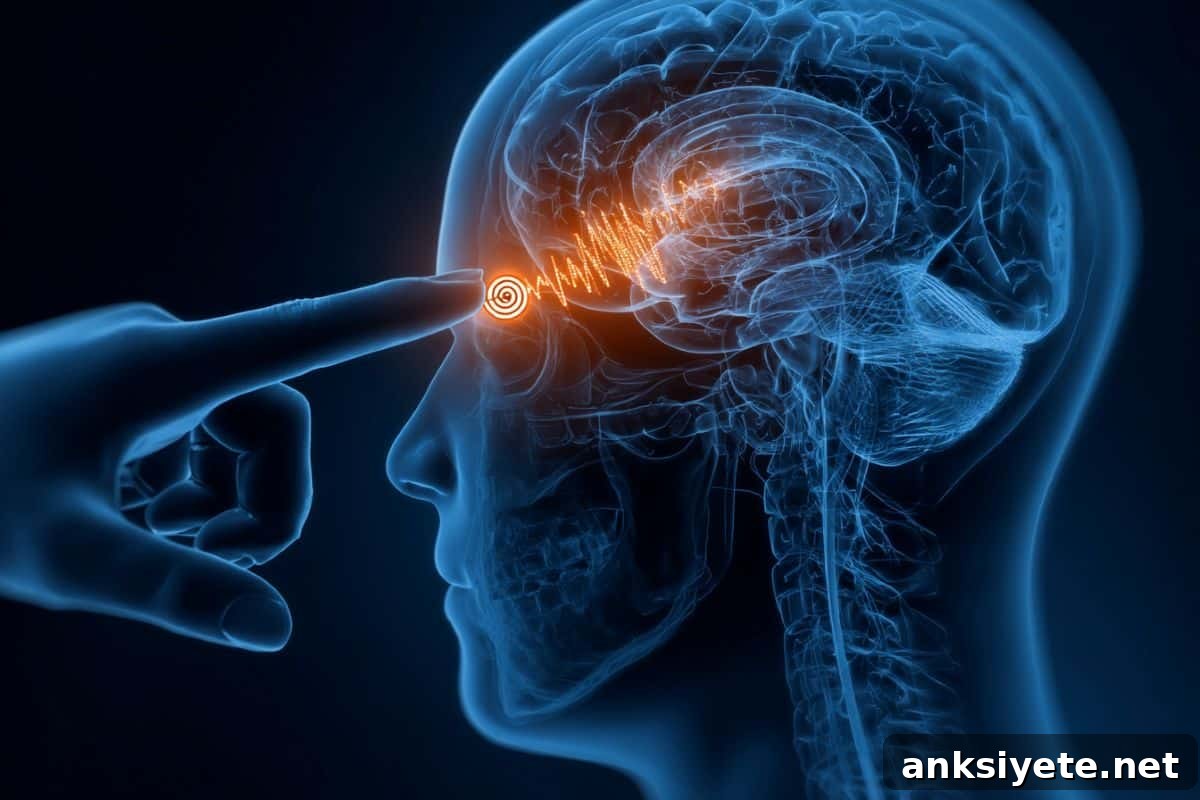
Summary: People with chronic back pain often report that everyday noises—like a slamming door or a loud television—feel harsher or more overwhelming. New research from the University of Colorado Anschutz shows that chronic back pain is linked to a measurable “sensory amplification” in the brain: functional MRI scans reveal that many people with chronic back pain react more intensely to ordinary sounds than most pain-free individuals. The study also demonstrates that Pain Reprocessing Therapy (PRT) can reduce this heightened sensory response and help normalize brain activity.
Key Facts
- Sensory amplification: Individuals with chronic back pain show intensified processing of sounds, with stronger responses in the auditory cortex and the insula, a region tied to emotional and bodily sensations.
- Regulation deficit: Scans indicate decreased activity in the medial prefrontal cortex, a brain area that typically helps regulate emotional reactions and dampen unpleasant experiences.
- Whole‑brain effect: The findings support the view that chronic back pain is not limited to the spine—brain circuits amplify multiple sensory inputs, not only pain signals coming from the back.
- Effective treatment: Pain Reprocessing Therapy (PRT) reduced both clinical pain and the brain’s exaggerated response to sound, while increasing activity in regions involved in regulating unpleasant sensations.
- Possible vulnerability: The team suggests that people who are naturally sensitive to light, sound, or smell may be more likely to develop chronic pain after an injury, though more research is needed.
Source: University of Colorado Anschutz
Overview
Published in Annals of Neurology, this study is one of the first to link sound hypersensitivity in chronic back pain to specific, measurable brain changes. Using fMRI, researchers compared behavioral and neural responses to auditory and pressure stimuli in adults with chronic back pain and pain-free controls, and then tested whether PRT could modify those brain responses.
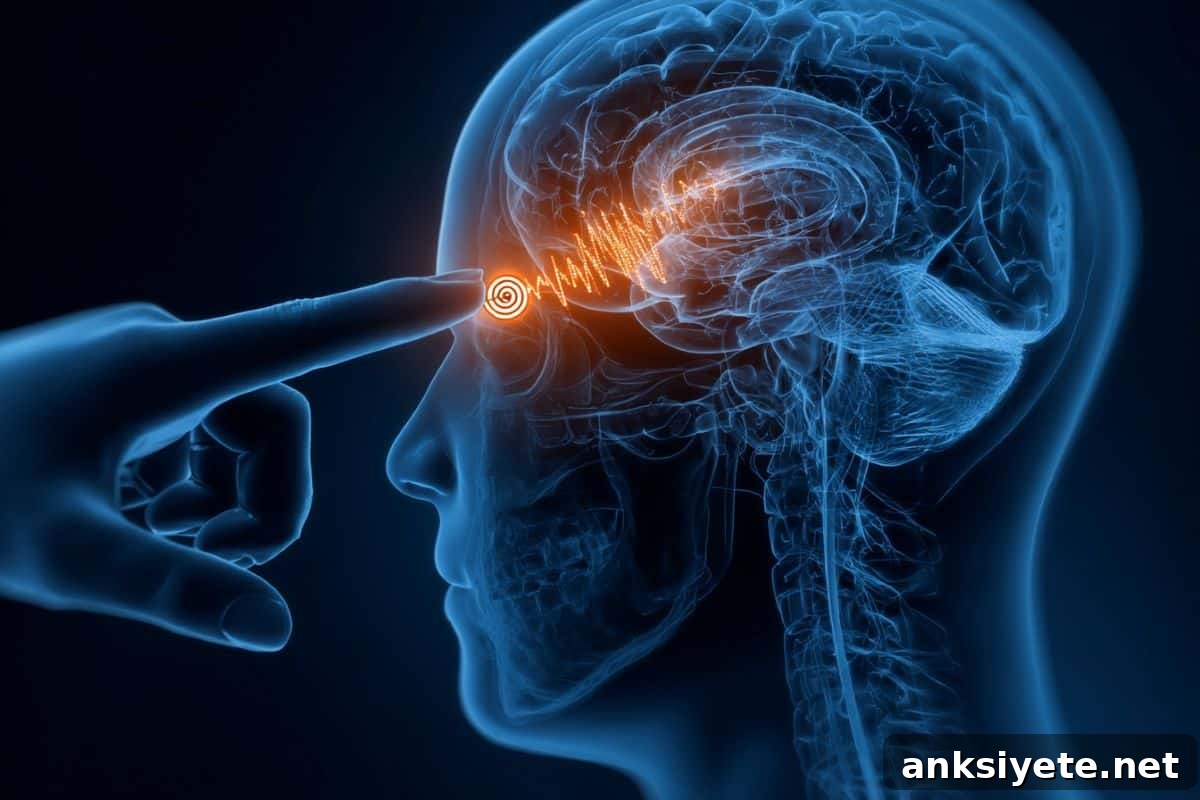
“Many patients describe common sounds as being unbearably loud or unpleasant. Our imaging shows their brains genuinely respond differently—both in regions that encode how loud a sound is and in regions that attach emotional meaning to sensation,” said Yoni Ashar, PhD, assistant professor of internal medicine and co-director of the Pain Science Program at the University of Colorado Anschutz School of Medicine. “This demonstrates that chronic back pain involves broad brain changes, and importantly, these changes can be reduced with targeted treatment.”
The study enrolled 142 adults with chronic back pain and 51 pain-free control participants. All underwent fMRI while exposed to low- and high-intensity aversive sounds and mechanical pressure. Participants rated how unpleasant the stimuli felt while researchers measured activity across sensory, integrative, and regulatory brain regions.
Compared with controls, people with chronic back pain reported substantially greater unpleasantness from auditory stimuli and showed pronounced neural hyperresponsivity in the auditory cortex and insula. At the same time, they exhibited reduced responses in midline regions such as the precuneus and medial prefrontal cortex—areas associated with self-referential processing and top-down regulation. On average, the heightened responses in chronic pain patients were greater than those seen in about 84% of pain-free participants.
Treatment comparison
After baseline testing, chronic back pain participants were randomized to one of three groups:
- Pain Reprocessing Therapy (PRT): a psychological approach that helps patients reinterpret pain as a product of brain amplification rather than ongoing tissue damage.
- Placebo: a saline injection administered in a supportive clinical context.
- Usual care: continuation of participants’ existing treatments.
Participants who received PRT experienced the greatest improvements. PRT reduced the unpleasantness of low‑intensity sounds and increased medial prefrontal cortex activity relative to usual care. These changes suggest that PRT can partially reverse the brain’s amplified response to sensory input and strengthen regulatory circuits that dampen unpleasant sensations.
“The brain’s exaggerated sensory response is not necessarily permanent,” Ashar noted. “Psychological treatment like PRT can retrain the brain to interpret these signals as less threatening, which lowers the ‘gain’ and reduces both pain and sound hypersensitivity.”
The findings leave open important questions: is sensory hypersensitivity a pre-existing risk factor that predisposes some people to chronic pain, or does it develop as a consequence of ongoing pain? Preliminary work from other teams hints that people who are more sensitive to sensory input may be at higher risk, but further studies are needed to determine causality and whether similar amplification affects other senses such as light, smell, or taste, or occurs in other chronic pain conditions.
Frequently Asked Questions
A: Chronic pain places the brain in a heightened state of alert. To avoid missing potential threats, the brain increases sensitivity to incoming signals, which can make normal sounds feel intense or unpleasant.
A: Yes. The study showed Pain Reprocessing Therapy (PRT) can help the brain reclassify these sensations as non-dangerous, lowering the perceived intensity of both pain and sound.
A: No. The effect is a measurable change in brain activity—auditory and emotional brain regions fire differently in response to sounds, independent of mood or personality.
Editorial Notes
- Article edited by a Neuroscience News editor.
- Journal paper reviewed in full by the editorial team.
- Additional context added by staff to clarify implications and next steps.
About this research
Author: Julia Milzer
Source: University of Colorado Anschutz
Contact: Julia Milzer, University of Colorado
Image credit: Neuroscience News
Original research: Auditory Hyperresponsivity in Chronic Back Pain: A Randomized Controlled Trial of Pain Reprocessing Therapy. Authors: Alina E. C. Panzel MSc, Christian Büchel MD, Andrew Leroux PhD, Tor D. Wager PhD, Yoni K. Ashar PhD. Annals of Neurology. DOI: 10.1002/ana.78183. (Open access)
Abstract (condensed)
Objective: Heightened sensitivity to unpleasant stimulation is common in chronic pain. This study examined whether people with chronic back pain show increased unpleasantness to non‑painful auditory stimuli, the neural mechanisms behind this effect, and whether it can be modified by treatment.
Methods: Behavioral and neural responses to auditory and pressure stimuli were compared in 142 adults with chronic back pain and 51 pain-free controls. Patients then entered a randomized trial of Pain Reprocessing Therapy (PRT) versus placebo and usual care while undergoing fMRI and providing unpleasantness ratings.
Results: Those with chronic back pain reported greater unpleasantness to sounds and pressure and showed hyperresponsivity in auditory cortex and insula, along with reduced activity in precuneus and medial prefrontal cortex. PRT produced reductions in auditory unpleasantness and increased medial prefrontal responses compared with control conditions.
Interpretation: Chronic back pain is associated with pronounced auditory hyperresponsivity via both modality-specific and general brain pathways, overlapping mechanisms observed in fibromyalgia. PRT may reduce this central amplification and promote broader desensitization across sensory systems.