
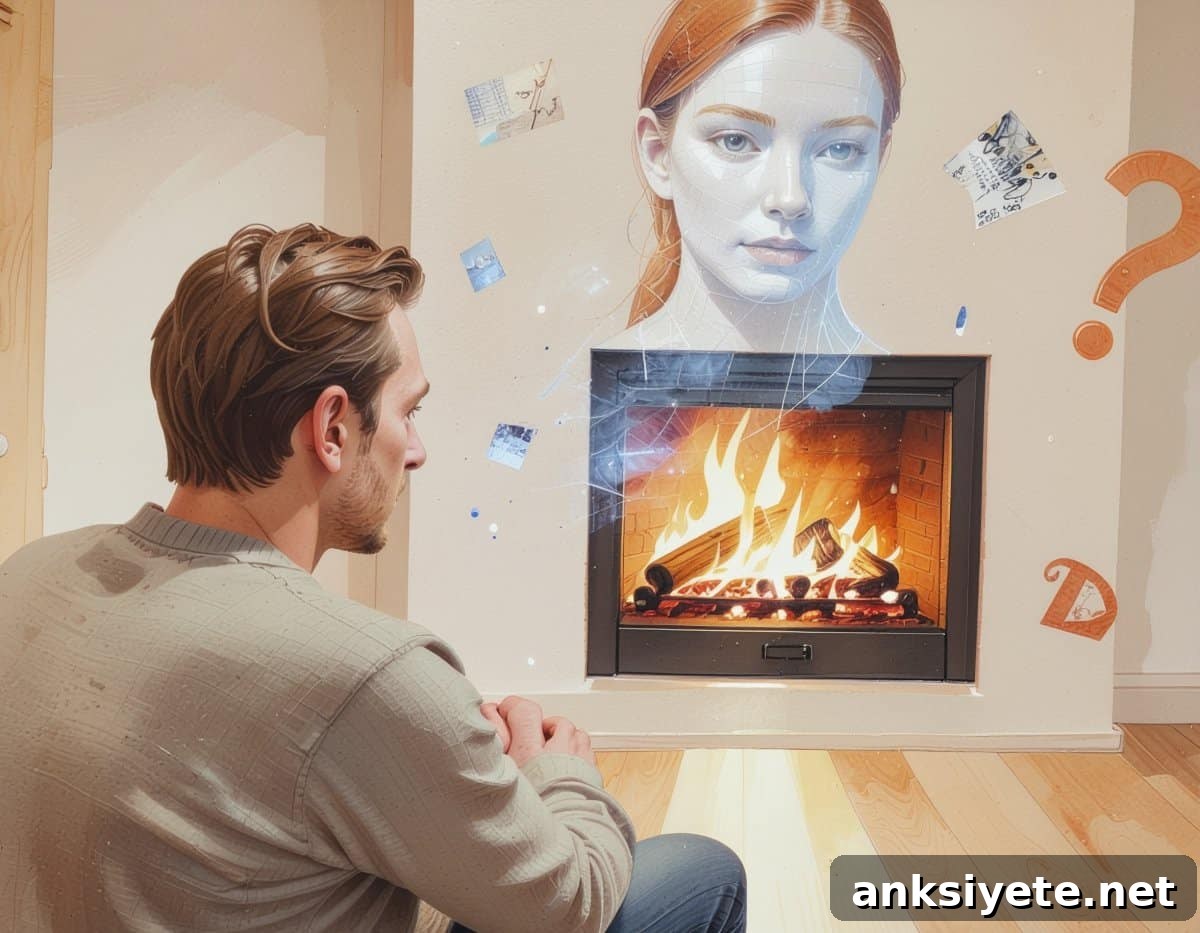
Summary: A recent study examines how generative AI is changing the ways we can interact with those who have passed away — from virtual reality reunions to highly realistic digital avatars. These so-called “generative ghosts” can remember, plan, and even adapt over time, enabling real-time conversations that go far beyond static, pre-recorded memorials.
While these technologies offer comfort, new creative possibilities, and tools for preserving history, they also introduce difficult ethical questions around grief, consent, and posthumous digital identity. Researchers urge public and policy discussions to ensure responsible development and use of this emerging field.
Key Facts:
- Generative Ghosts: AI-driven avatars can simulate interactive conversations with deceased individuals, responding dynamically rather than only replaying stored content.
- Real Use Cases: Uses range from VR-based reunions for bereaved families to posthumous courtroom appearances and AI-assisted releases of music from deceased artists.
- Ethical Challenges: The rise of AI afterlives raises questions about consent, healthy grief processing, ownership of digital legacies, and appropriate uses in legal or public contexts.
Source: University of Colorado
In 2019, a grieving mother named Jang Ji-Sun put on a virtual reality headset and was transported into a grassy field where she spent ten minutes playing with an AI representation of her daughter, Na Yeon, who had died three years earlier from a rare blood disease.
The emotional reunion — viewed millions of times online — provided an early glimpse of how technology could redefine interactions with the deceased.
With the rapid emergence of generative AI models like ChatGPT and the development of autonomous AI “agents” that can act on behalf of people, that future is already arriving, according to new research from the University of Colorado Boulder. The possibilities are broader and more complex than many anticipated.
“We anticipate that within our lifetimes it may become common practice for people to create custom AI agents to interact with loved ones and the broader world after their death,” writes Jed Brubaker, Professor of Information Science, in the paper “Generative Ghosts: Anticipating Benefits and Risks of AI Afterlives.”
Brubaker’s work sits at the intersection of death and technology. He helped inspire features such as legacy account options on social platforms and recently launched a Digital Legacy Clinic to help people organize their digital affairs. For this paper, co-authored with Meredith Ringel Morris of Google DeepMind, Brubaker surveyed current efforts and emerging trends in what he terms the “AI afterlives” space. His lab has begun small-scale tests of prototype AI ghosts and studies to understand how people respond to them.
“Today you might interact with a memorial page for a loved one,” he notes. “But what would it be like to actually sit down with a virtual version of them and have a conversation?” That possibility may be closer than many expect.
From text-based grief bots to resurrected celebrities
Early experiments with digital afterlives are not new. After Lou Reed’s death in 2013, his partner Laurie Anderson worked with machine learning experts to build a text-based chatbot using Reed’s writings, songs, and interviews. Anderson has said she continues to use that conversational bot.
In 2023, surviving members of The Beatles released a new song that incorporated John Lennon’s voice through AI techniques. And in a recent courtroom case, a family used an AI-generated avatar of a man killed in a road rage incident in a video that showed the avatar offering forgiveness.
Several startups now let people create digital versions of themselves before they die. Some services produce high-fidelity 3D avatars after lengthy interviews and filming sessions; others record audio stories so a “virtual you” can continue to speak to loved ones after passing.
To many, these developments feel unsettling. Brubaker points out, however, that technologies once considered disturbing — such as photography or early online memorials — have often become normalized over time.
The rise of generative ghosts
Brubaker and his co-author use the term “generative ghosts” to describe the next generation of AI afterlives. Unlike earlier chatbots that parrot stored content, generative ghosts rely on large language models and other capabilities that enable them to produce novel, context-aware responses, remember past interactions, and perform planning and reasoning.
Such agents could do more than repeat old anecdotes. They might discuss events that occurred after the person’s death, compose new music or poetry that generates royalties for heirs, or assist with practical tasks such as estate management.
Although most current systems remain rudimentary and often text-based, the technology is progressing toward more immersive, voice- and avatar-driven interactions. Brubaker envisions a future where an interactive memorial can support authentic, unscripted conversations rather than only delivering pre-scripted messages.
Promise and peril
Generative ghosts offer genuine promise. For some people, interacting with an AI representation of a lost loved one could aid grief processing or provide therapeutic comfort. That was a motivating factor in Jang Ji-Sun’s VR reunion with her daughter. Museums and historical institutions may also use generative agents to preserve first-person testimonies from survivors of major events and keep those accounts accessible to future generations.
At the same time, the technology raises serious concerns. How long is healthy to engage with an AI ghost before it risks hindering grieving? What roles, if any, are appropriate for AI-generated personae in legal settings? How should society handle situations where an AI agent was created for a living person who then dies unexpectedly? And how can individuals be protected against having digital replicas created without their consent?
Another complex question is whether and how a generative ghost should have an end-of-life. Should the AI be shut down after a set period, or maintained indefinitely by descendants? Who decides?
Brubaker does not claim to have definitive answers. His goal is to prompt technologists, companies, ethicists, and policymakers to think carefully about the possible paths forward and to design systems that prioritize ethical, sensitive, and beneficial outcomes.
“What’s possible and what will actually happen are two different things,” he says. “We hope this space evolves in ways that respect people’s needs and values, and that support thoughtful governance and design.”
About this grief and AI research news
Author: Lisa Marshall
Source: University of Colorado
Contact: Lisa Marshall – University of Colorado
Image: The image is credited to Neuroscience News
Original Research: Open access.
“Generative Ghosts: Anticipating Benefits and Risks of AI Afterlives” by Jed Brubaker et al. CHI ’25: Proceedings of the 2025 CHI Conference on Human Factors in Computing Systems
Abstract
Generative Ghosts: Anticipating Benefits and Risks of AI Afterlives
As AI systems rapidly improve across many domains, they enable increasingly capable and realistic agents, including models that emulate specific people. We anticipate that creating custom AI agents to interact with loved ones or the public after death may become common in our lifetimes, and a growing number of startups already claim to offer such services.
We call these agents generative ghosts because they generate new, context-sensitive content rather than merely reproducing material produced by the person while alive. This paper reviews the history of technologies aimed at posthumous representation, surveys current early efforts by enthusiasts and companies, and outlines a design space for possible implementations of generative ghosts.
Using this framework, the paper examines practical and ethical implications of different design choices, highlighting potential benefits and harms to individuals and society. Finally, it proposes a research agenda for AI and human-computer interaction communities to better understand the risk/benefit landscape and to empower people who wish to create or interact with AI afterlives in responsible, beneficial ways.