
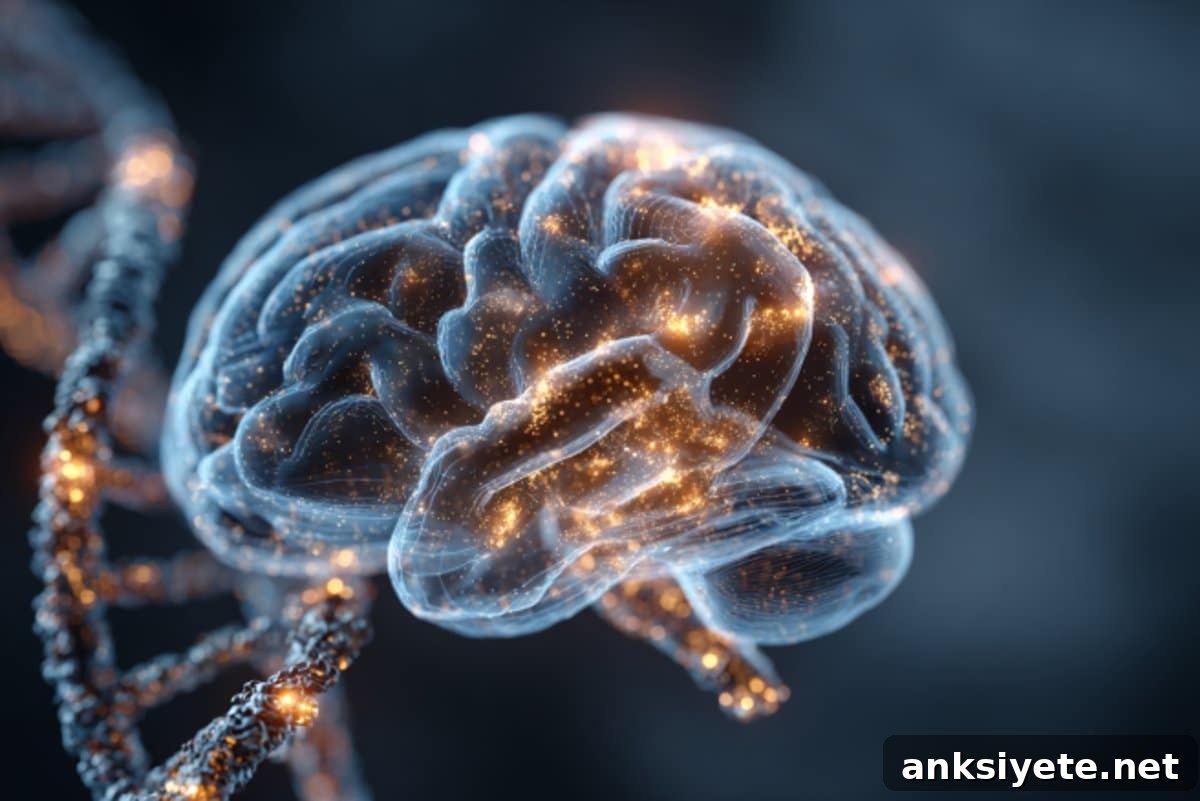
Summary: Scientists have identified two genes hidden within the so-called “dark matter” of the human genome that appear to influence brain size and synaptic signaling. By leveraging the first truly complete human genome assembly and testing effects in zebrafish, the team demonstrates how recently duplicated human genes may have helped shape distinctive features of the human brain.
These results create a practical roadmap for investigating hundreds of other duplicated genes that have been difficult to study until the genome was fully assembled. The dataset and experimental approach promise new insights into human brain evolution and may help clarify genetic contributions to language disorders, developmental differences, and autism.
Key Facts:
- Dark Matter Genes: Duplicated genes located in previously hard-to-sequence regions of the genome can influence brain-related traits.
- New Discoveries: Two human-specific paralogs, GPR89B and FRMPD2B, are implicated in brain growth and synaptic signaling changes.
- Broader Impact: The resource will make it easier to screen for disease-relevant variation that earlier genome surveys may have missed.
Source: UC Davis
What makes the human brain distinctive?
A study published July 21 in Cell reports identification and functional characterization of duplicated human genes that are strong candidates for contributing to features of the human brain. The work combines complete human genome assembly data with zebrafish functional assays to connect gene expansions to developmental and cellular changes in the nervous system.
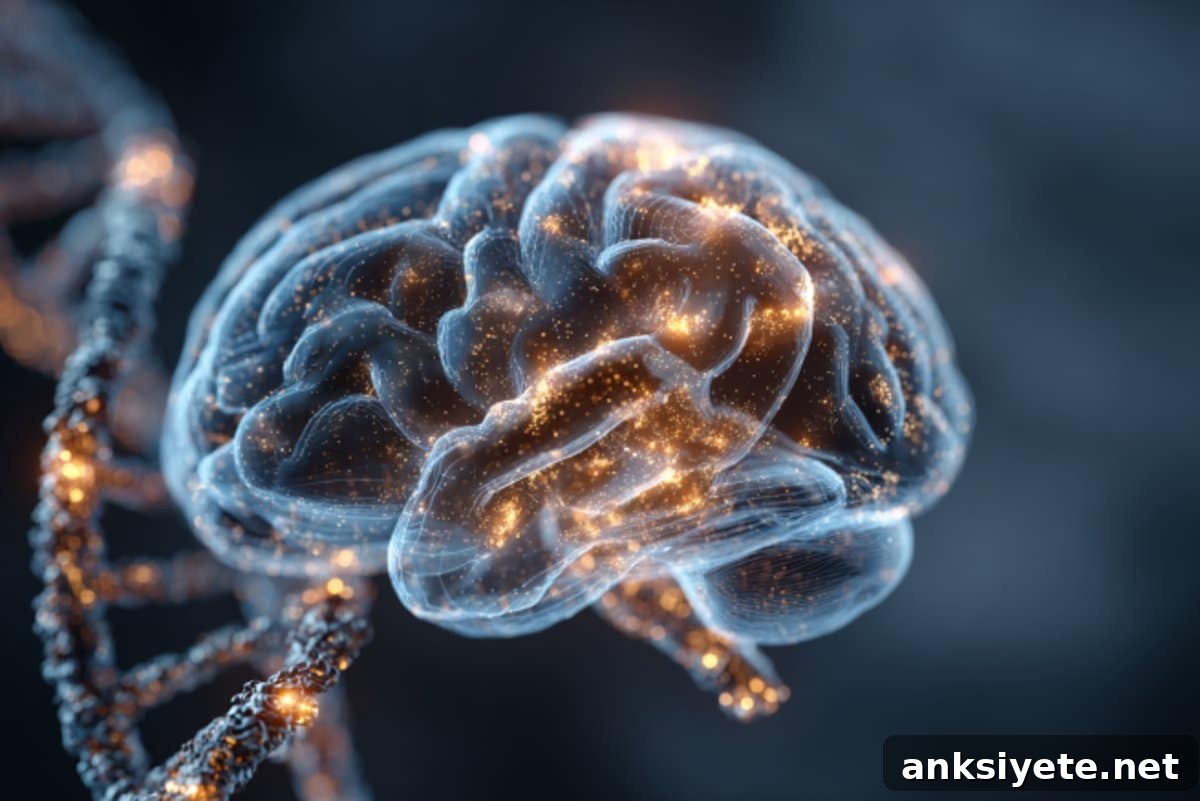
The genes under study sit within the genome’s repetitive, duplicated regions—often called “dark matter” because their complexity made them largely invisible to early sequencing efforts. Those repeat-rich areas are challenging to assemble because their similarity can confuse sequence alignment and reconstruction, but they are also fertile ground for evolutionary innovation: duplication can create extra gene copies that acquire new functions or dosage effects.
“Historically, this has been a very challenging problem. People don’t know where to start,” said senior author Megan Dennis, associate director of genomics at the UC Davis Genome Center and associate professor in the Department of Biochemistry and Molecular Medicine and the MIND Institute at UC Davis. The availability of a telomere-to-telomere (complete) human reference genome has changed that, making it possible to search systematically in these previously inaccessible regions.
Identifying human brain genes
Using the telomere-to-telomere human genome assembly, Dennis and colleagues first cataloged duplicated gene families. They filtered this list to prioritize genes that are (1) expressed in the brain, (2) present across individuals in modern human populations based on the 1000 Genomes Project, and (3) conserved with low variation among people—criteria that point to a universal role in human brain biology.
From roughly 250 candidate gene families, the team selected a subset for functional testing in zebrafish, a common vertebrate model for developmental neuroscience. They created CRISPR knockouts of zebrafish orthologs and then “humanized” the larvae by introducing mRNA encoding the human-duplicated paralogs. These experiments connected specific paralogs to measurable effects: expression of human GPR89B correlated with a subtle increase in brain size, while FRMPD2B influenced synaptic signaling properties.
“It’s striking that we can use zebrafish to probe traits relevant to the human brain,” Dennis said, emphasizing that the model offers rapid, scalable ways to test the developmental consequences of gene expansions found in humans.
The full dataset published with the Cell paper is intended as a community resource. It will help researchers screen duplicated regions for mutations—especially variants that standard genome-wide studies may have missed because of assembly gaps or alignment errors. That capability could reveal genetic contributions to conditions such as language impairments and autism that were previously elusive.
“This approach opens new avenues for understanding how gene expansions shaped the human brain,” Dennis added.
Other contributors to the study include Daniela Soto, José Uribe-Salazar, Gulhan Kaya, Ricardo Valdarrago, Aarthi Sekar, Nicholas Haghani, Keiko Hino, Gabriana La, Natasha Ann Mariano, Cole Ingamells, Aidan Baraban, Zoeb Jamal, Sergi Simó and Gerald Quon (UC Davis); Tychele Turner (Washington University, St. Louis); Eric Green (National Human Genome Research Institute); and Aida Andrés (University College London).
Funding: The research was supported in part by grants from the National Institutes of Health, the National Science Foundation and The Wellcome Trust.
About this genetics and neuroscience research news
Author: Andrew Fell
Source: UC Davis
Contact: Andrew Fell – UC Davis
Image: The image is credited to Neuroscience News
Original Research: Open access.
“Human-specific gene expansions contribute to brain evolution” by Megan Dennis et al., Cell.
Abstract
Human-specific gene expansions contribute to brain evolution
Duplicated genes that expanded uniquely in the human lineage are likely contributors to brain evolution, but discovering them has been hindered by sequence-assembly errors in repetitive regions. Using a complete telomere-to-telomere human genome sequence, the team identified 213 human-specific gene families.
Among these families, 362 paralogs were present across modern human genomes and detected in brain transcriptomes, marking them as top candidates for contributing to shared human brain traits.
Long-read sequencing of hundreds of individuals revealed previously hidden signatures of selection for some paralogs, underscoring the value of complete genome assemblies for population-level analyses.
To probe effects on brain development, researchers generated CRISPR knockout zebrafish for nine orthologs and introduced mRNA encoding human paralogs to “humanize” developing larvae. These functional tests implicated two genes in features that could relate to human brain evolution: GPR89B in dosage-associated brain expansion and FRMPD2B in modified synaptic signaling.
This multi-step strategy—combining complete genomic maps, population sequencing, and rapid functional assays—yields a comprehensive resource for studying how gene expansion has influenced the evolution and function of the human brain.