
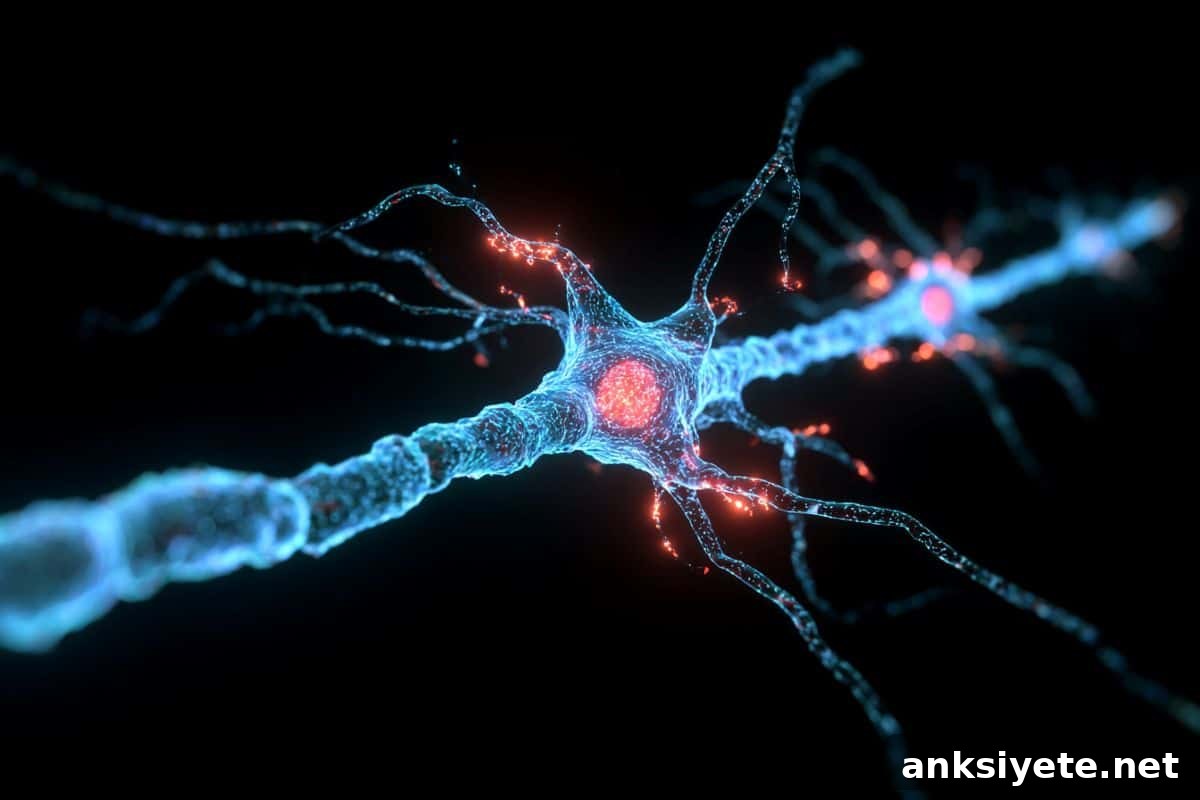
Summary: Specific potassium channels known as KCNQ2/3 act as critical “brakes” that prevent neurons from over-firing and keep the brain stable. New research shows a surprising dependence: these channels must already be functionally active to reach and remain at their correct location in neurons.
The study demonstrates that channel function and cellular localization are tightly linked. When KCNQ2/3 channels are dysfunctional—as in some forms of neonatal epilepsy—the channels fail to accumulate at the axon initial segment (AIS), the region where action potentials are initiated. In other words, a defective channel not only stops working properly but also loses its way, creating a double burden for affected patients.
Key Facts
- Function drives localization: KCNQ2/3 channels need to adopt an active conformation to bind stably to ankyrinG (ankG), the anchoring protein that secures them at the AIS.
- The AIS as control center: The Axon Initial Segment is the neuron’s control tower. If potassium channels fail to accumulate there, neurons become prone to excessive excitability.
- Clinical link to epilepsy: Mutations in KCNQ2/3 cause conditions such as benign familial neonatal convulsions and early infantile epileptic encephalopathy. This study shows those mutations can prevent channels from reaching the AIS as well as impairing their conductance.
- Single-molecule imaging: Tracking individual channel molecules revealed that reduced KCNQ3 functionality disrupts the whole trafficking pathway of the KCNQ2/3 complex, including exo-/endocytosis and lateral diffusion.
- Therapeutic implication: Restoring channel function might also restore proper localization. Drugs that stabilize channel conformation could therefore serve a dual role: improving channel activity and guiding correct trafficking.
Source: University of Osaka
Overview: KCNQ2/3 potassium channels are essential for limiting neuronal excitability. When these channels malfunction, they can trigger specific epileptic syndromes in infants. A recent paper in PNAS from researchers in Japan explores how the channels’ functional state determines their localization at the AIS, and how this coupling shapes neuronal behavior and disease.
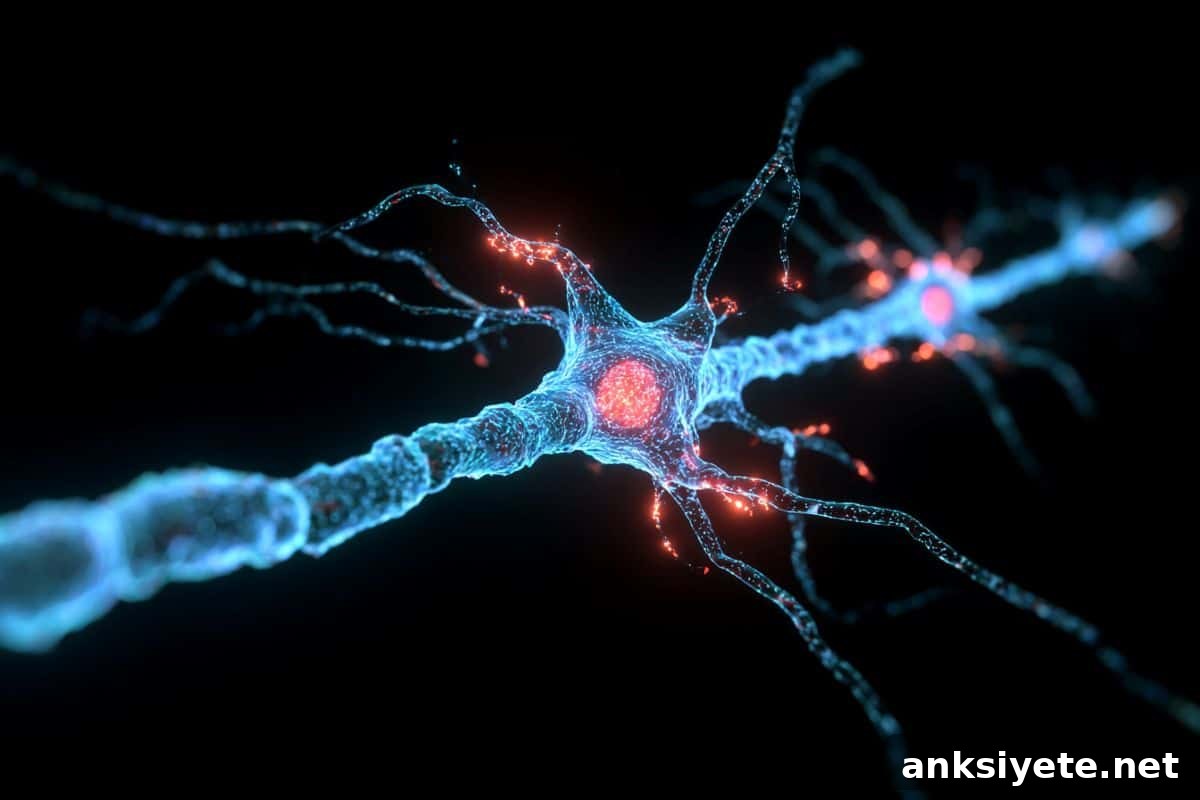
The research team tested whether channel functionality affects where KCNQ2/3 channels end up inside neurons. They genetically manipulated channel gating and then used advanced trafficking imaging to follow the channels’ movement. Their experiments established a direct link: channels that cannot reach an active conformation fail to localize properly to the AIS.
Using single-molecule imaging, investigators observed that reduced KCNQ3 function altered multiple steps in the trafficking route—exocytosis, endocytosis and membrane diffusion—resulting in fewer channels at the AIS. Because ankyrinG is known to anchor KCNQ2/3 at the AIS, the team examined how channel conformation affects ankG binding.
Lead author Daisuke Yoshioka reports that the active conformation of full-length KCNQ3 is required for robust, stable binding to ankyrinG. This finding supports the idea that only properly functioning channels are efficiently captured and retained at the AIS, linking channel gating to subcellular targeting.
Senior author Yasushi Okamura emphasizes the translational importance: maintaining channel function may be necessary not only for electrical control but also to ensure channels reach the correct cellular compartment. That insight narrows potential therapeutic strategies toward agents that preserve or restore channel conformation and trafficking.
Because KCNQ2/3-related disorders like neonatal epilepsy are often severe and hard to treat, this mechanistic understanding opens new avenues for drug development. Compounds that act as “chaperones” to stabilize channel structure could both restore conductance and correct mislocalization, offering a twofold benefit for patients and families.
Key Questions Answered:
A: Yes. A nonfunctional channel cannot control excitability, and if it is also mislocalized away from the AIS, the neuron loses both its braking mechanism and its ability to position that mechanism where it is most needed.
A: Many neonatal seizures stem from KCNQ mutations. Knowing that function and trafficking are coupled suggests that therapies which stabilize channel conformation could help channels reach the AIS and reduce seizure risk.
A: The idea that a protein’s functional state influences its trafficking is an emerging concept. This study supports a cellular quality-control mechanism that favors sending properly working components to critical neuronal sites.
Editorial Notes:
- This article was edited by a Neuroscience News editor.
- The journal paper was reviewed in full.
- Additional context was provided by editorial staff.
About this neuroscience research news
Author: Saori Obayashi
Source: University of Osaka
Contact: Saori Obayashi – University of Osaka
Image: Image credited to Neuroscience News
Original Research: Closed access. Coupling of Functionality to Trafficking of KCNQ2/3 Potassium Channels at the Axon Initial Segment by Daisuke Yoshioka and Yasushi Okamura. PNAS.
DOI: 10.1073/pnas.2527749123
Abstract
Coupling of Functionality to Trafficking of KCNQ2/3 Potassium Channels at the Axon Initial Segment
KCNQ2/3 is a major voltage-gated potassium channel at the axon initial segment (AIS) and plays a central role in controlling neuronal excitability. While channel gating depends on conformational changes driven by voltage sensing, AIS localization is regulated through interaction with ankyrinG (ankG). The relationship between gating and trafficking mechanisms remained unclear.
By combining genetic manipulation of channel functionality with high-resolution trafficking imaging, the study uncovers a coupling in which reduced KCNQ3 functionality alters multiple steps of the trafficking pathway—affecting exocytosis, endocytosis and lateral diffusion—and thereby reduces AIS localization of KCNQ2/3. A live-cell assay shows that the active conformation of full-length KCNQ3 is necessary for stable ankG binding. These results provide a mechanistic framework linking KCNQ2/3 gating and trafficking in the regulation of neuronal excitability.