
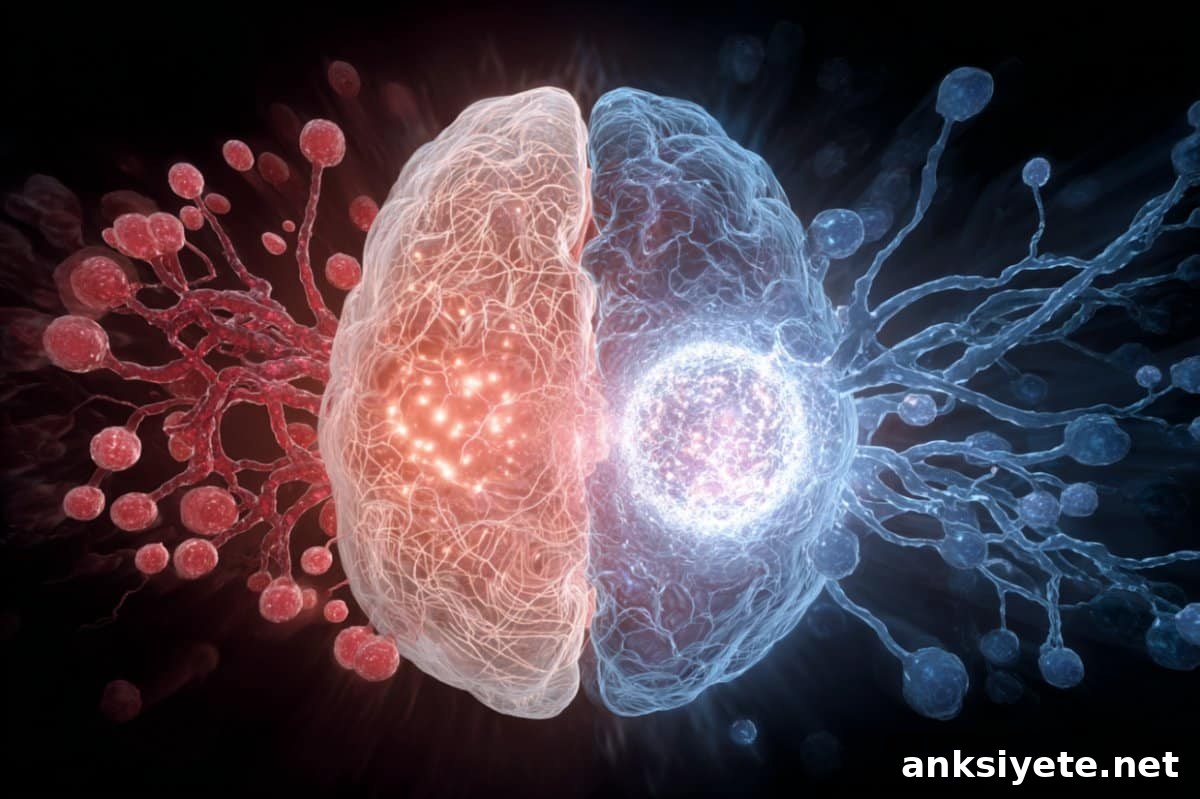
Summary: New laboratory research indicates that dimethyltryptamine (DMT), a naturally occurring psychoactive compound present in many plants and in the human brain, can reduce damage caused by stroke in animal and cell models. In these studies, DMT treatment lowered the size of brain infarcts, limited swelling, reduced inflammatory signaling, and helped restore the function of the blood-brain barrier (BBB).
The protective effects were mediated, at least in part, through the Sigma-1 receptor, which dampened microglial activation and supported astroglial function—producing a combined effect on vascular stability and neuroinflammation. These findings point to DMT as a potential adjuvant therapy to complement existing, limited stroke treatments and to improve recovery outcomes if later confirmed in clinical trials.
Key Facts
- Blood-brain barrier protection: DMT helped restore tight junctions and BBB function after experimental stroke.
- Inflammation control: Treatment reduced production of proinflammatory cytokines and lowered microglial activation.
- Therapeutic potential: DMT’s dual action on barrier integrity and immune responses could supplement current stroke care.
Source: HUN-REN BRC
About DMT
DMT, or N,N-dimethyltryptamine, is a naturally occurring psychoactive molecule found in various plants and also produced endogenously in mammals, including humans. It is being evaluated for therapeutic use in post-stroke recovery, but until recently its mechanisms of action in the injured brain were not fully characterized.
A team from the HUN-REN BRC Institute of Biophysics and Semmelweis University Heart and Vascular Centre reports in Science Advances that DMT reduced the harmful consequences of stroke in both a rat ischemia-reperfusion model and complementary cell culture experiments.
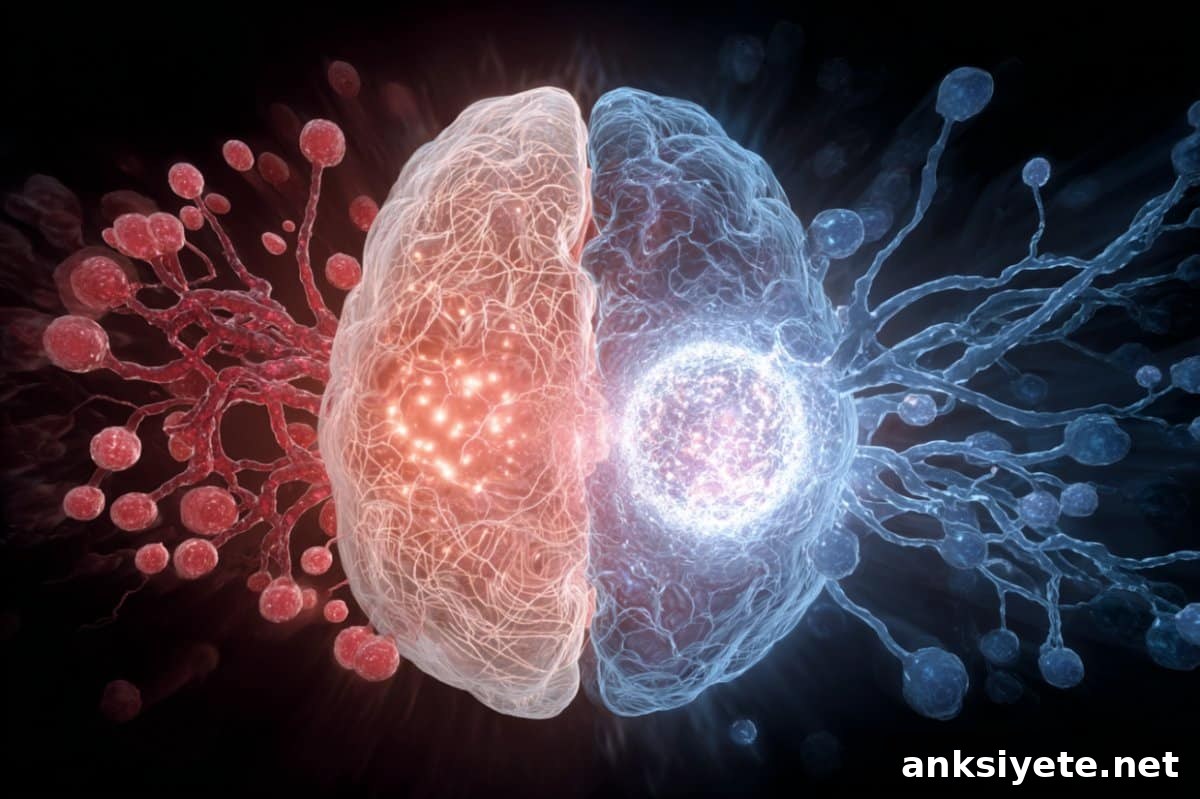
A natural molecule with therapeutic promise
The researchers emphasize that natural compounds such as DMT can reveal previously unrecognized mechanisms relevant to human health. Co-lead author Mária Deli notes that turning to naturally occurring molecules has repeatedly provided new avenues for treating complex conditions.
Targeting the blood-brain barrier in stroke
Co-first author Marcell László reports, “We found that DMT significantly reduced infarct volume and cerebral edema in a rat model of stroke.” In both animal experiments and in vitro BBB and brain cell culture systems, DMT treatment improved structural and functional markers of the blood-brain barrier and helped preserve astrocyte function—cells that support neurons and vascular health.
Beyond vascular effects, the compound limited immune-driven injury. DMT reduced the release of proinflammatory cytokines and chemokines from brain endothelial cells and peripheral immune cells, and it curbed microglial activation via the Sigma-1 receptor. This receptor-mediated modulation of immune cells appears central to DMT’s capacity to lower secondary injury after ischemia.
Complementing existing stroke therapies
Stroke treatments today are time-sensitive and often insufficient to guarantee full recovery. Judit Vigh, a co-first author, explains that DMT’s combined protection of the BBB and reduction of neuroinflammation offers a layered approach that could complement current standards of care, particularly when used alongside reperfusion strategies or rehabilitative interventions.
Because these results stem from preclinical models, the authors highlight the need for continued research. Ongoing clinical trials are exploring DMT’s safety and potential benefits for brain recovery after stroke, and further studies will be required to define optimal dosing, timing, and long-term outcomes in humans.
The collaborative work from research teams in Szeged and Budapest supports the development of therapeutic strategies that address both vascular integrity and immune responses—two critical but often unmet aspects of stroke recovery. If validated clinically, a DMT-based adjuvant could expand the therapeutic toolbox for stroke and improve functional recovery for patients.
About this neuroscience research news
Author: Anett Nagy-Demcsák
Source: HUN-REN BRC
Contact: Anett Nagy-Demcsák – HUN-REN BRC
Image: The image is credited to Neuroscience News
Original Research: Open access.
“N,N-dimethyltryptamine mitigates experimental stroke by stabilizing the blood-brain barrier and reducing neuroinflammation” by Maria A. Deli et al. Science Advances
Abstract
N,N-dimethyltryptamine mitigates experimental stroke by stabilizing the blood-brain barrier and reducing neuroinflammation
N,N-dimethyltryptamine (DMT) is a psychoactive molecule present in the human brain and under clinical evaluation as a potential neuroprotective agent in post-stroke recovery, though its mechanisms were not fully understood.
In a rat transient middle cerebral artery occlusion model, earlier work showed DMT reduces infarct volume. The current study demonstrates that DMT’s benefit coincides with less cerebral edema, improved astrocyte function, and a shift in circulating serum proteins toward a less inflammatory, more neuroprotective profile.
DMT restored tight junction integrity and blood-brain barrier function in both cell-based and animal models. It suppressed the release of proinflammatory cytokines and chemokines from brain endothelial and peripheral immune cells, and it limited microglial activation through the Sigma-1 receptor.
These findings indicate that DMT can mitigate post-stroke damage by stabilizing the vascular barrier and reducing neuroinflammation. Such interactions between DMT, the vascular system, and the immune response can be explored to complement current stroke therapies, which often leave residual deficits.