Why Millions Use ChatGPT for Mental Health Support
Summary: As traditional health services struggle with long waiting lists and rising costs, a large international survey reveals a marked shift in…
Topic
Topics
Summary: As traditional health services struggle with long waiting lists and rising costs, a large international survey reveals a marked shift in…
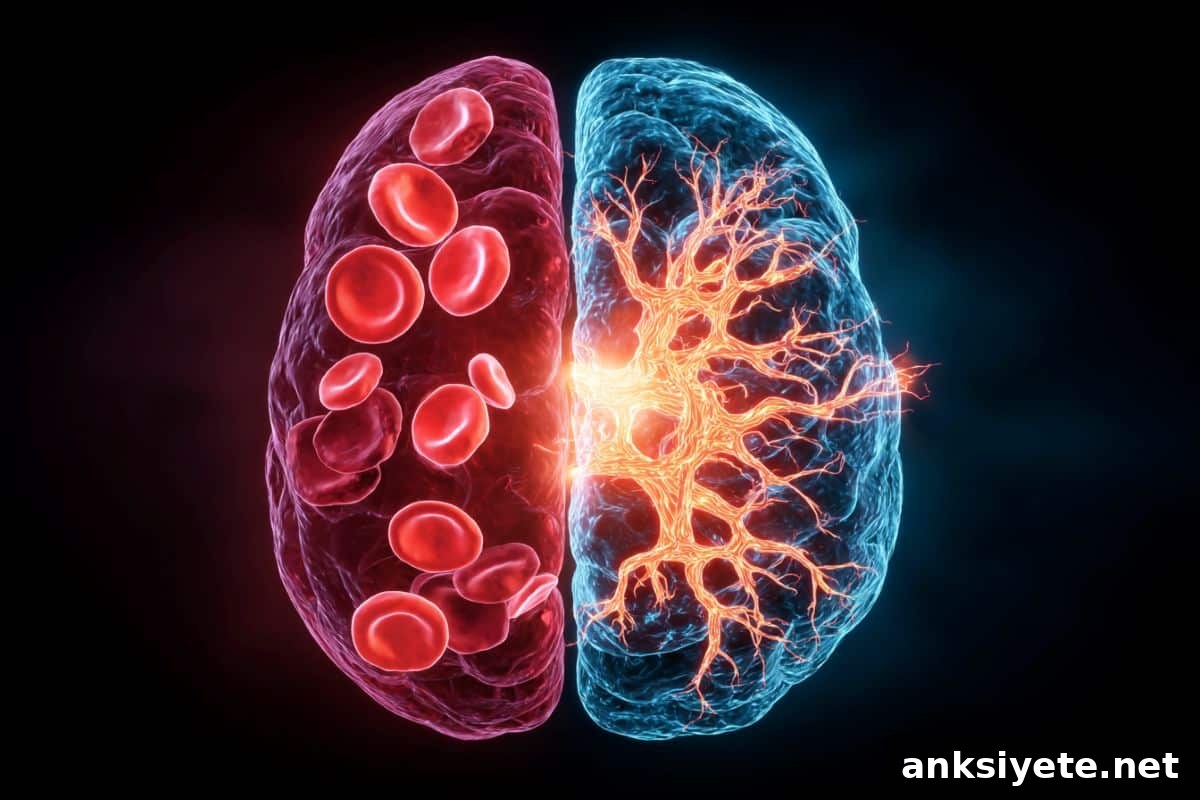
Summary: Sickle cell disease (SCD) is commonly viewed as a blood disorder, but new research shows it also reshapes brain network organization.…
Summary: For decades, neuroscientists thought that learning made the brain more efficient by forcing neurons to act more independently—reducing redundant signals to…
Summary: Why do we feel compelled to help a stranger in distress? A new UCLA study suggests the answer lies in ancient…
Summary: For people with retinitis pigmentosa, vision loss often progresses like an unrelenting clock. New research from Cedars-Sinai reveals how transplanted human…
Summary: In brains affected by Alzheimer’s and Parkinson’s diseases, proteins such as Tau and alpha-synuclein can misfold and assemble into toxic aggregates…
Summary: Psilocybin — the active principle behind “magic mushrooms” — is emerging as a promising treatment for depression, anxiety and other neuropsychiatric…
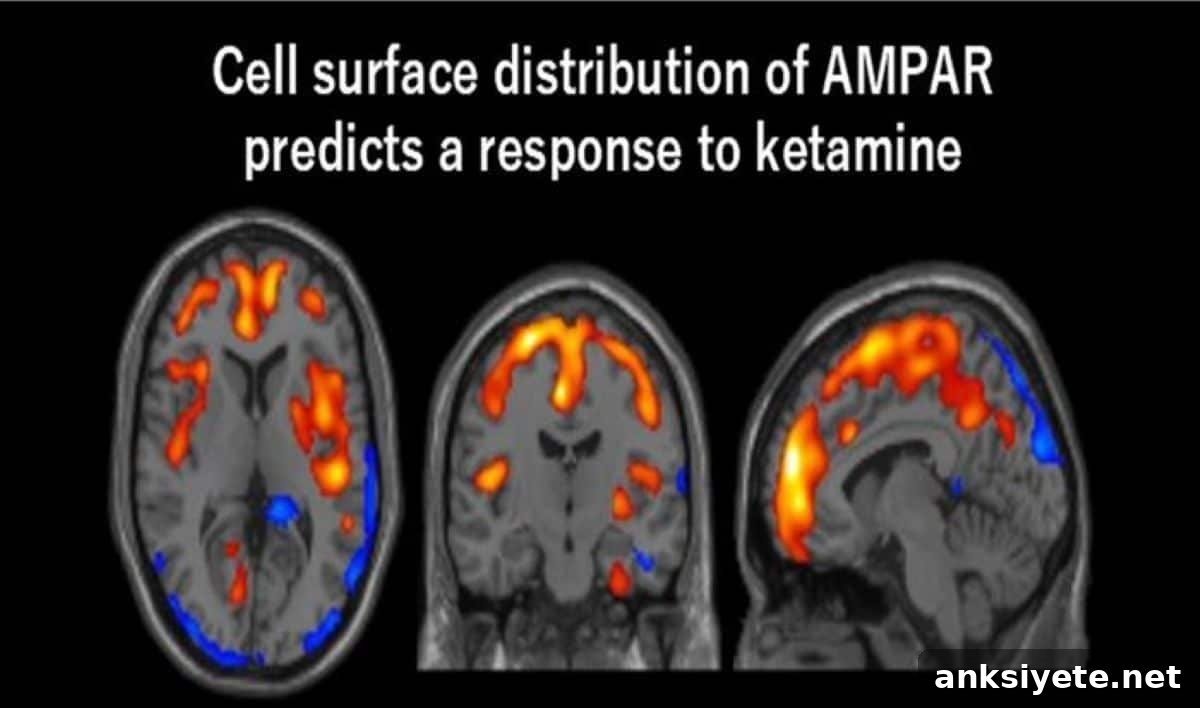
Summary: Ketamine has been recognized for years as a rapid-acting treatment for depression, yet its precise action in the human brain remained…
Summary: The usual story about aging is that it brings an unavoidable slide into physical and cognitive decline. But a major longitudinal…
Summary: Current treatments for Alzheimer’s disease typically rely on repeated, high-dose infusions of monoclonal antibodies to slow cognitive decline by clearing amyloid-beta…
Readers are exploring